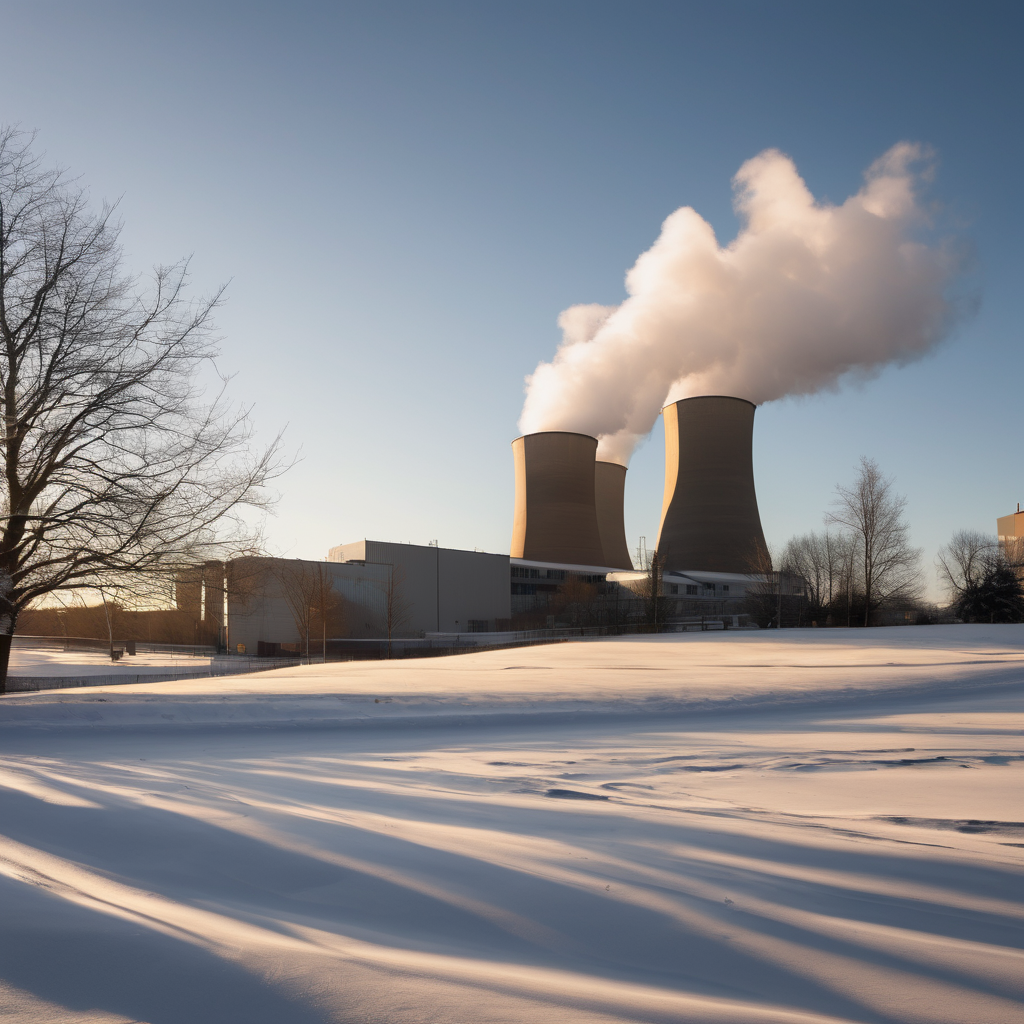
Heating and hot water services in the University of Maryland dormitories have largely returned to normal as of 10 a.m. Thursday after experiencing disruptions due to extreme cold weather. An announcement from Residential Facilities confirmed the restoration of steam service to the Campus Central Energy Plant, allowing for a gradual normalization of heating across the campus.
Earlier in the week, the university prompted students to either return home or relocate off campus, as buildings experienced a loss of heat and hot water Wednesday afternoon. Faced with these challenges, Residential Facilities is conducting inspections across all dormitories to ensure the proper functioning of heating and hot water systems.
In light of the ongoing chilly conditions, the university cautioned that intermittent outages could still occur due to the risk of freezing pipes. The email reassured students that support services would remain available for those unable to find alternate accommodations.
In exciting news, the university is set to launch a new permanent central energy plant later this year, which promises to enhance the reliability of heating and cooling services, as noted in a separate communication sent campus-wide.
To assist students during the difficulties, extra blankets were offered at various service desks, and staff established “warming centers” within dorm communities. By noon Thursday, it was confirmed that temperatures and hot water in Commons 1 and 2, as well as the chapter houses on Fraternity Row, had returned to normal.
These heat and hot water outages were caused by the extreme weather, which has kept temperatures in College Park below freezing. However, cold water services remained unaffected, maintaining functionality for sinks and toilets. Dining services also continued operation from 10 a.m. to 7 p.m., though dining options remain limited due to snowstorm-related cancellations of classes during the first week of the semester.
This situation underscores the resilience of both the university’s facilities management and the campus community in navigating challenging winter conditions. Recovery from these outages signals hope as the university anticipates improved infrastructure with the new energy plant on the horizon.