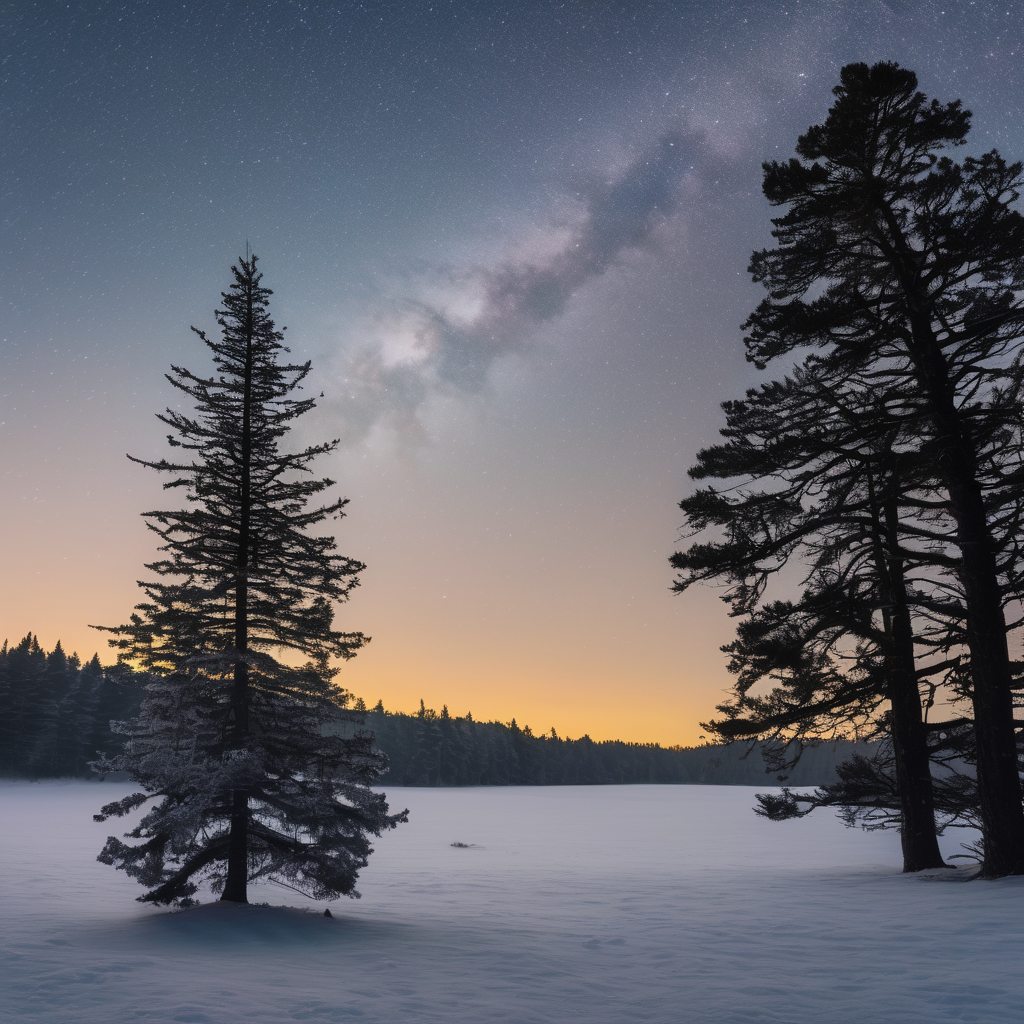
The winter solstice has arrived, heralding the shortest day and the longest night of the year. As communities across the country are already blanketed in snow, this seasonal milestone signifies not only the official start of winter but also the onset of various cultural celebrations.
Coinciding with the winter solstice is the Pagan holiday of Yule, which is celebrated by many as a time of rebirth and renewal. According to the Old Farmer’s Almanac, Yule symbolizes the sun’s return and the rejuvenation of the land, as daylight gradually extends following the year’s darkest phase.
The winter solstice will take place on Sunday, December 21, 2025. It marks the beginning of astronomical winter in the Northern Hemisphere, while the Southern Hemisphere will bask in the warmth of summer solstice celebrations. The phenomenon of the long night and short day occurs due to the tilt of the Earth toward the sun, positioning the North Pole at its furthest point away, thereby reducing sunlight in the Northern Hemisphere.
Typically, the winter solstice can occur any day between December 20 and 23, with December 21 and 22 being the most frequent dates. Last year, the solstice also took place on December 21, falling on a Saturday instead.
As winter settles in, it will continue for approximately three months, concluding the day before the spring equinox, which will occur on Friday, March 20, 2026. During this astronomical winter period, many look forward to the gradual increase of daylight and the promise of spring renewal.
This annual celebration, rich in cultural significance, serves as a reminder of the natural cycles that govern life on Earth, inspiring hope and change as days begin to lengthen once more.