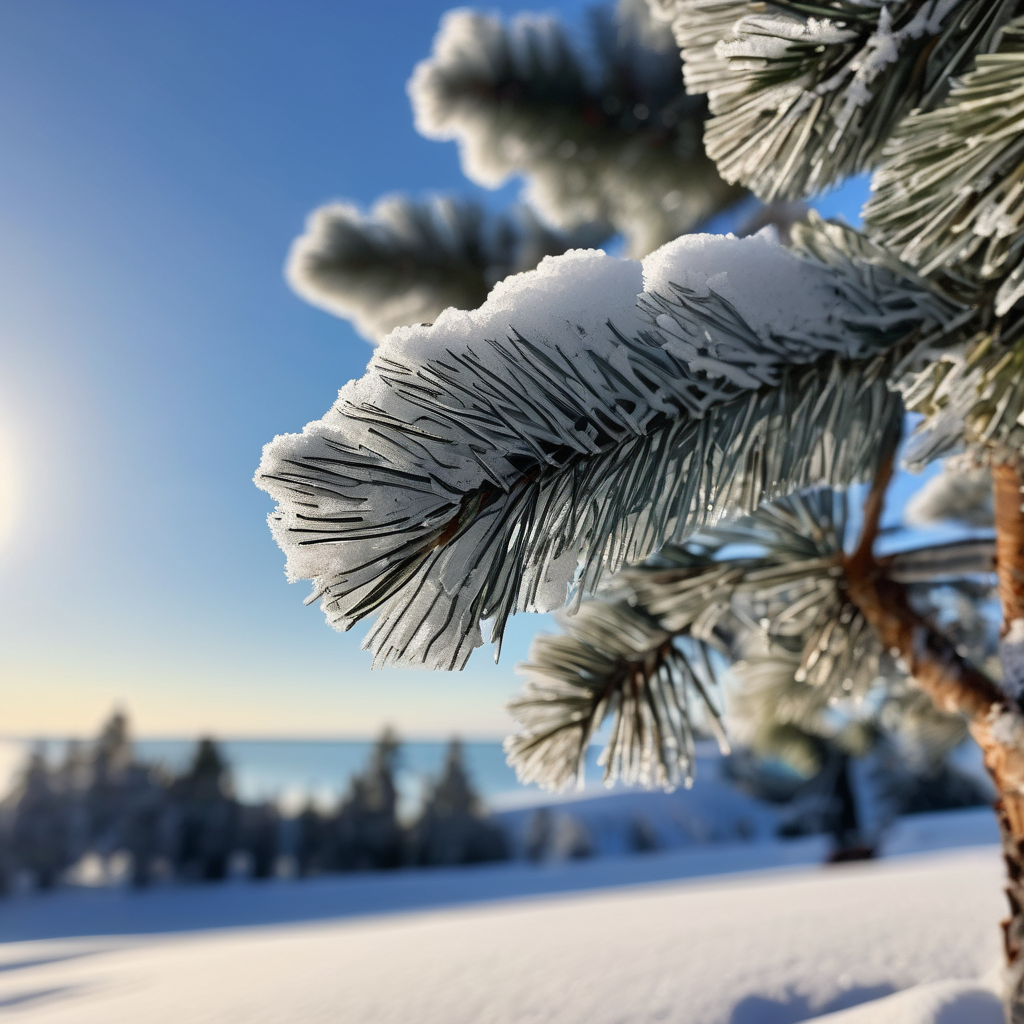
This winter has presented an unusual meteorological scenario across the United States, with severe cold gripping the eastern region while the west basks in unseasonably warm temperatures. The Northeast has endured weeks of frigid weather, with wind chills plunging to the negative teens and twenties Fahrenheit (negative mid-20s to negative low 30s Celsius). In stark contrast, areas like Colorado have seen temperatures warm enough for T-shirts in early February, demonstrating a remarkable divergence in weather patterns.
This phenomenon is attributed to a persistent atmospheric pattern known as the polar vortex. Climate scientist Daniel Swain explains that the polar vortex behaves like a tightly flowing river of air that contains the coldest Arctic air. When it weakens, this circular flow becomes more wavy, allowing frigid air to plunge southward into the eastern U.S. as warmer air is displaced northward over the western states.
The geographical features of the U.S. play a significant role in these weather disparities. The Rockies and the Pacific Ocean boundary create conditions where the jet stream establishes a weak ridge over the West and a weak trough over the East. Swain indicates that the current weather situation amplifies this existing pattern dramatically.
Researchers are investigating whether the rapid warming of the Arctic is contributing to increased frequency of polar vortex weakening, but the exact correlation remains uncertain. Interestingly, no part of the contiguous U.S. experienced record cold temperatures from December 2025 to January 2026, while 21 percent recorded the warmest winter period since 1940, as noted by climatologist Brian Brettschneider.
The warmer winters are changing the dynamics for both people and businesses. Younger generations may face their first experience of extreme cold, while those in the West have enjoyed milder conditions, presenting a contrasting backdrop for public adaptation. However, this year’s cold weather has led to widespread impacts, including travel disruptions and power outages, as well as loss of life.
Looking ahead, a shift in atmospheric conditions is anticipated that may bring changes to this weather dichotomy, particularly with a potential switch in storm activity in the tropical Pacific. Such a transition could help restore the eastern U.S. to more typical winter temperatures while introducing some cooler, wetter weather to the West. While any precipitation will be beneficial, it may not completely address the looming threats of drought and wildfires in the months to come.
As these weather patterns evolve, they serve as a reminder of the ongoing complexities of climate behavior, emphasizing the need for continued research and preparedness as we adapt to changing seasons.