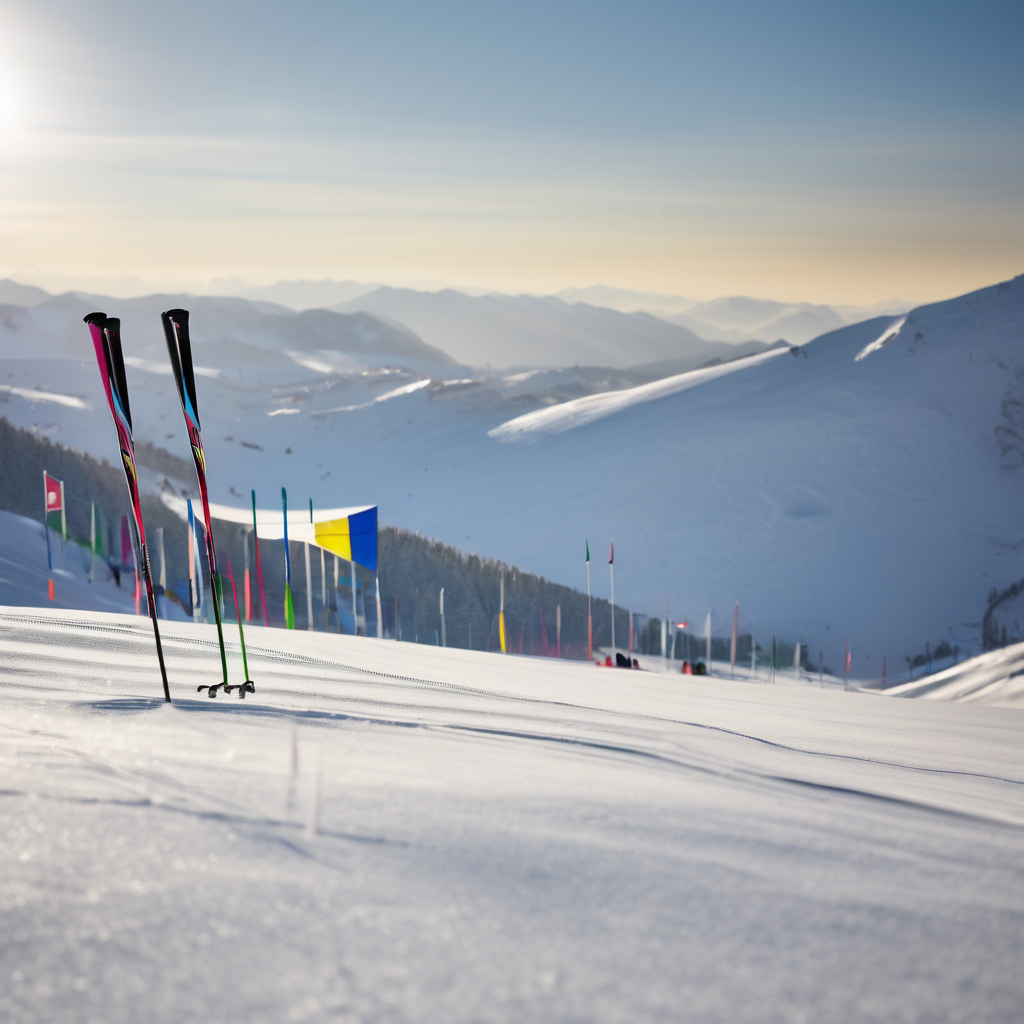
The Winter Olympics in Milan and Cortina d’Ampezzo are set to officially open on February 6, 2026. As the games approach, there are growing discussions about their scale, the potential participation of athletes from Russia and Belarus, and the provisions made for security and anti-doping measures.
The new hockey arena in Milan and the bobsleigh-skeleton track in Cortina d’Ampezzo are now complete and ready for the 25th Winter Olympics, marking the second time Cortina will host the Olympics, having previously done so in 1956.
The opening ceremony will be held at the iconic Giuseppe Meazza Stadium, also known as San Siro, which has a capacity of 75,000. Interestingly, curling events will kick off two days earlier. Approximately 2,900 athletes from over 90 nations will be competing for 116 sets of Olympic medals, with Germany leading the charge with a record 188 athletes.
In a historic move, alpine skiing will be joined by ski mountaineering in the Olympic program for the first time. This new sport will see competitors ascend slopes on skis with special materials before descending.
Events will be held across various renowned winter sports locations. Milan will host competitions in hockey, figure skating, speed skating, and short track, while Cortina will feature women’s Alpine skiing, bobsleigh, skeleton, luge, and curling. Other locations, such as Antholz, Val di Fiemme, Livigno, and Bormio, will also be contributing to the diverse range of events that span a distance of 350 kilometers between venues.
Regarding participation, athletes from Russia and Belarus are allowed to compete in a neutral status, granted they do not hold ties with their military or intelligence services and do not publicly support the invasion of Ukraine. As of January 29, the entry list includes 13 athletes from Russia and seven from Belarus, under oversight from the International Olympic Committee (IOC).
Security will be a priority during the games, with approximately 6,000 security personnel expected to ensure safety, significantly less than the 50,000 deployed during the Paris Olympics. Notably, US security personnel will provide advisory support during the games, ensuring a secure environment for all attendees.
Doping controls will follow protocols similar to those used in the 2022 Olympics in Beijing, with the International Testing Agency (ITA) conducting tests across most sports. Preliminary testing has been ongoing, and further tests are expected to occur during the events, showcasing a commitment to fair play.
As for the success of the games, it remains contingent on various factors, including public enthusiasm. By early November 2025, more than half of the tickets had already been sold, with prices ranging widely. The built environment includes a restructured 1.7-kilometer bobsleigh track, costing around 120 million euros, showcasing significant investment in the infrastructure.
Ultimately, while the financial viability of the event remains uncertain, the combination of well-prepared venues, a diverse array of competitions, and strong participation may herald a successful Winter Olympics in Italy, promising excitement for fans and athletes alike.