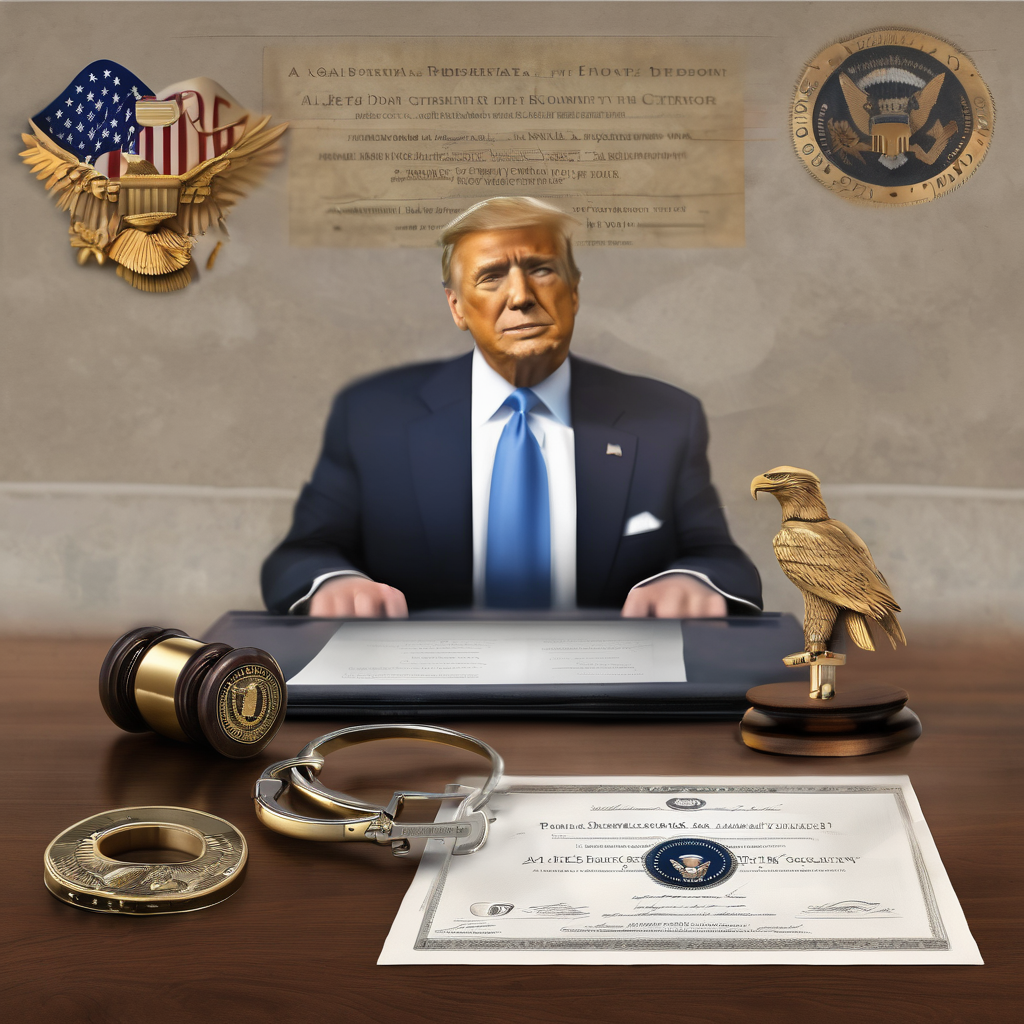
In a recent inquiry, questions were raised regarding whether the next president could undo the pardons granted by former President Donald Trump and if Trump had the authority to pardon individuals for actions that have not yet occurred. The answer to both queries is a definitive “no.”
Presidents are unable to revoke the pardons issued by their predecessors; this rule applies regardless of the circumstances surrounding Trump’s pardons. Additionally, Trump cannot rescind the pardons issued by President Joe Biden, despite his assertions to the contrary.
Moreover, the clemency power, although expansive, functions in a retroactive manner. It permits presidents to pardon individuals for any federal crimes, including those not yet charged. However, it is fundamentally a power that looks back to actions already committed. This principle was established by the Supreme Court in the 1866 case, Ex parte Garland, which asserted that the president can pardon offenses “at any time after its commission”—emphasizing the critical term “after.”
Legal scholars further elucidate this point by summarizing that a president could assure a thief that he is forgiven for a crime committed yesterday, but a current pardon cannot extend to crimes committed in the future.
In a time marked by political division and legal scrutiny, understanding these aspects of presidential pardoning powers is crucial. Future discussions around clemency will likely continue to generate significant public interest and debate within legal circles.