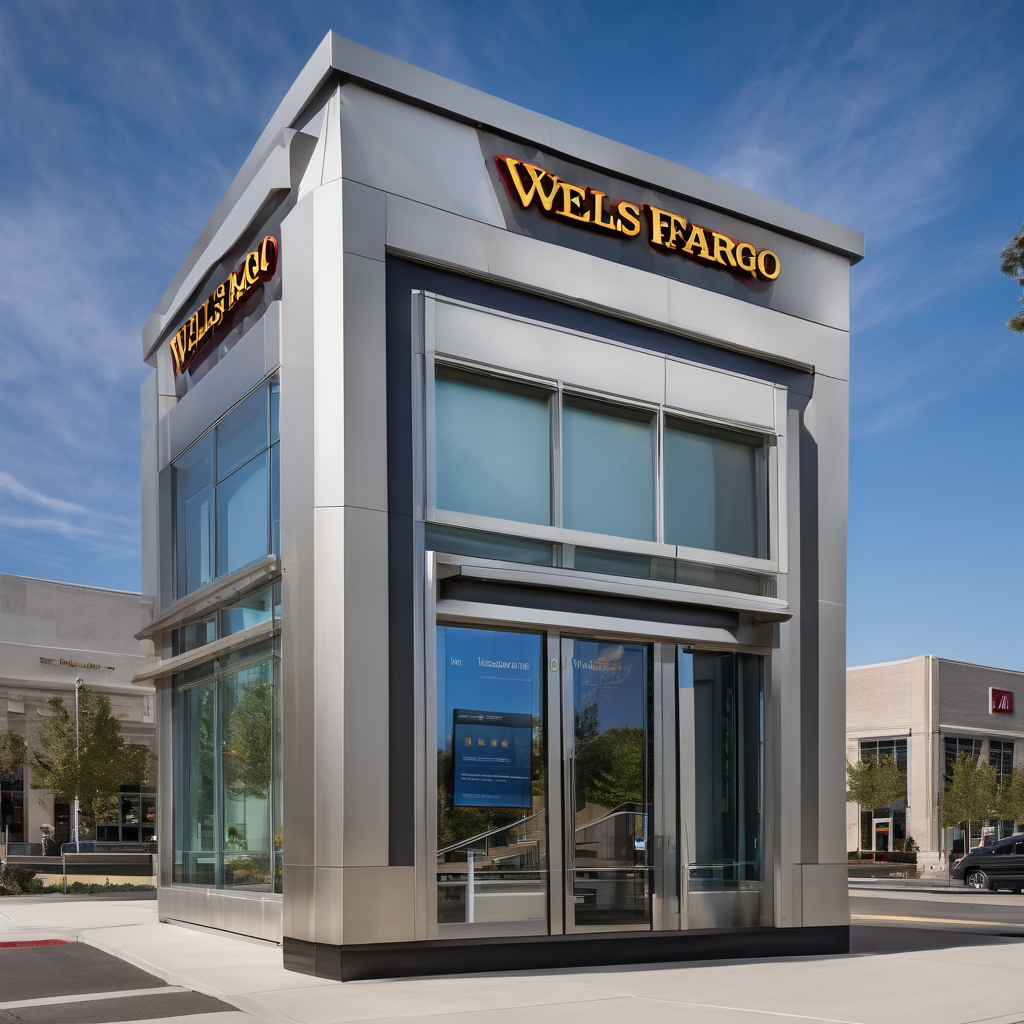
Wells Fargo concluded its 2025 fiscal year with impressive profits buoyed by increased revenue from loans and fees, as the U.S. economy remained stable. The bank is now positioned to move forward after operating under a Federal Reserve-imposed asset cap following a scandal involving the creation of unauthorized accounts.
In the fourth quarter, Wells Fargo reported a net income of $5.4 billion, an increment from $5.1 billion during the same period last year. Earnings per share rose to $1.62, exceeding Wall Street expectations and increasing from $1.43 in the fourth quarter of 2024.
This growth is a positive development for CEO Charlie Scharf, who has navigated the company’s recovery while under stringent regulatory constraints since 2018. Scharf expressed his commitment to enhancing infrastructure and business growth, stating, “We have built a strong foundation and have made great progress in improving growth and returns, though we have operated with significant constraints.”
Under Scharf’s leadership, Wells Fargo has experienced substantial growth in various sectors. The bank reported a 20% increase in new credit card accounts, a 19% rise in auto lending balances, a 12% growth in commercial banking loans, and a 14% upsurge in investment banking fees, all contributing to the bank’s profitability.
Despite the positive financial results, the bank recently faced criticism when an 83-year-old Texas grandmother claimed that Wells Fargo declined to reimburse her nearly $15,000 that was scammed from her through a forged check. This incident highlights ongoing concerns about customer trust and security.
A pivotal moment for Wells Fargo occurred in June 2025, when the Federal Reserve lifted a $1.95 trillion asset cap that had impeded the bank’s growth, imposed as a consequence of the fake accounts scandal. The Fed acknowledged the substantial progress the bank had made in improving governance and risk management.
Looking ahead, Wells Fargo anticipates an increase in net interest income, and given the potential for Federal Reserve rate cuts, it expects growth in loans and deposits in the mid-single digits. Following the lifting of the asset cap, Wells Fargo also raised its medium-term profitability target to a 17-18% return on tangible common equity, indicating a positive outlook for shareholders.
With approximately $2.1 trillion in assets, Wells Fargo is among the largest financial institutions in the United States, serving one in three households. The recent surge in its share price reflects investor confidence in the bank’s revival and growth trajectory as it navigates past challenges and regulatory scrutiny.