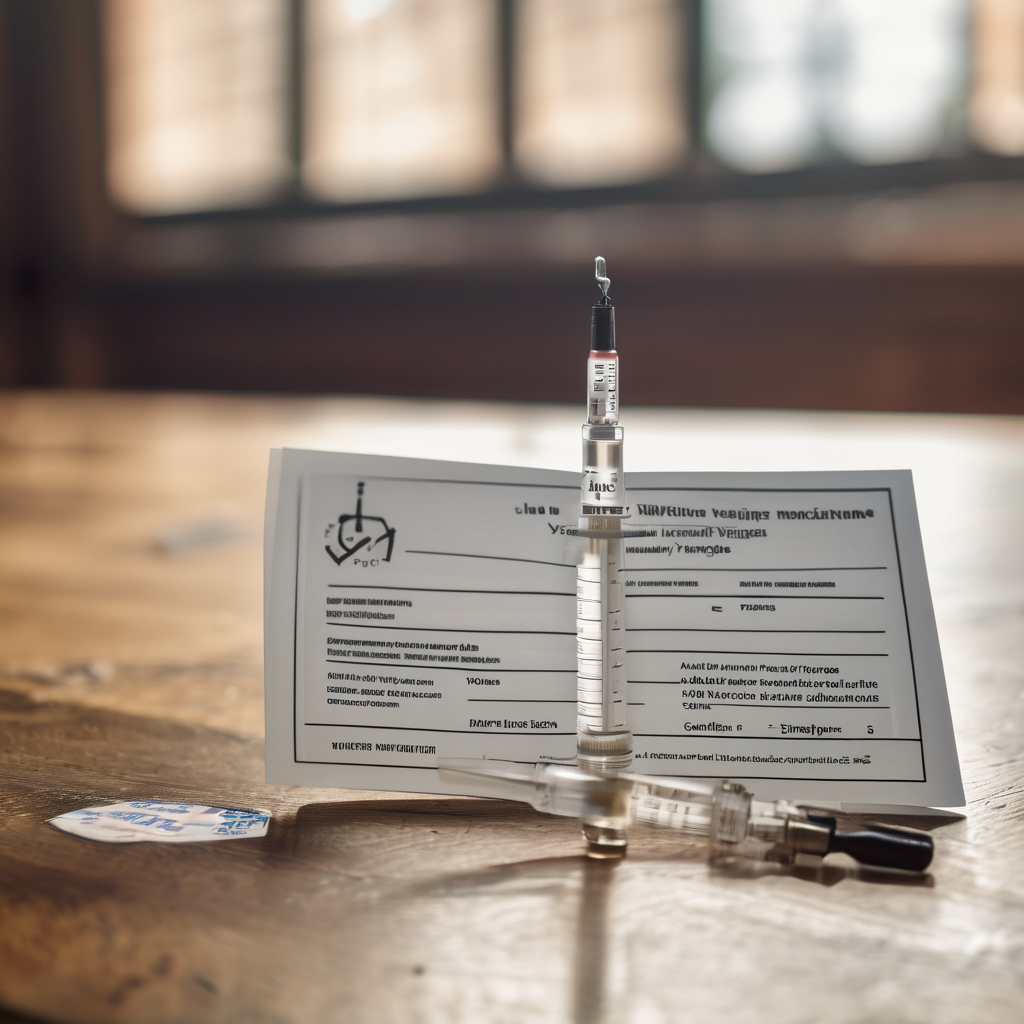
Earlier this month, the United States made significant changes to its childhood vaccination schedule, reducing the number of recommended vaccines from 17 to just 11 diseases. The announcement by Dr. Kirk Milhoan, the head of the U.S. Advisory Committee on Immunization Practices, that all vaccines, including crucial ones like polio and measles, might become optional, has sparked a nationwide discussion about vaccine mandates.
Currently, every state in the U.S. has requirements for childhood vaccinations for children before they can attend daycare or school. In contrast, only Ontario and New Brunswick in Canada enforce similar mandates. Dr. Milhoan argues that the right to refuse vaccines should take precedence over public health concerns, suggesting that mandatory vaccinations violate personal autonomy and informed consent.
As a pediatric cardiologist, Milhoan has made controversial statements in the past, including unfounded claims about COVID-19 and vaccines. Nevertheless, his remarks cut to the heart of a critical issue in public health: the debate over whether childhood vaccinations should be compulsory. The consensus among public health experts is that childhood vaccinations are one of the most effective medical interventions in history, credited with saving 154 million lives in the past five decades, particularly among children under five.
Supporters of vaccine mandates argue that these mandates protect not only the individual child but also the broader community by preventing outbreaks of vaccine-preventable diseases. In Canada, an impressive 69% of respondents support mandatory childhood vaccinations, highlighting a widespread understanding of the importance of vaccines.
Critics of vaccine mandates, like Dr. Milhoan, position them as an infringement on personal freedom, likening them to coercive policies. However, many public health advocates assert that there are numerous societal norms requiring compliance for the greater good, such as laws against childhood marriage and mandatory education policies.
The debate also raises the question of whether the removal of vaccine mandates could present an opportunity for observing the effects of unvaccinated populations on public health. While proponents of this perspective argue that advancements in medicine make the incidence of childhood diseases less threatening today, health experts maintain that the historical efficacy and safety of vaccines cannot be overlooked.
Public health relies on science but must also integrate moral considerations for the welfare of the community. As the discussion continues, it becomes increasingly vital to evaluate the balance between individual freedoms and the safeguarding of public health. The stakes are high, as the potential resurgence of preventable diseases presents a significant risk to children’s health and safety.