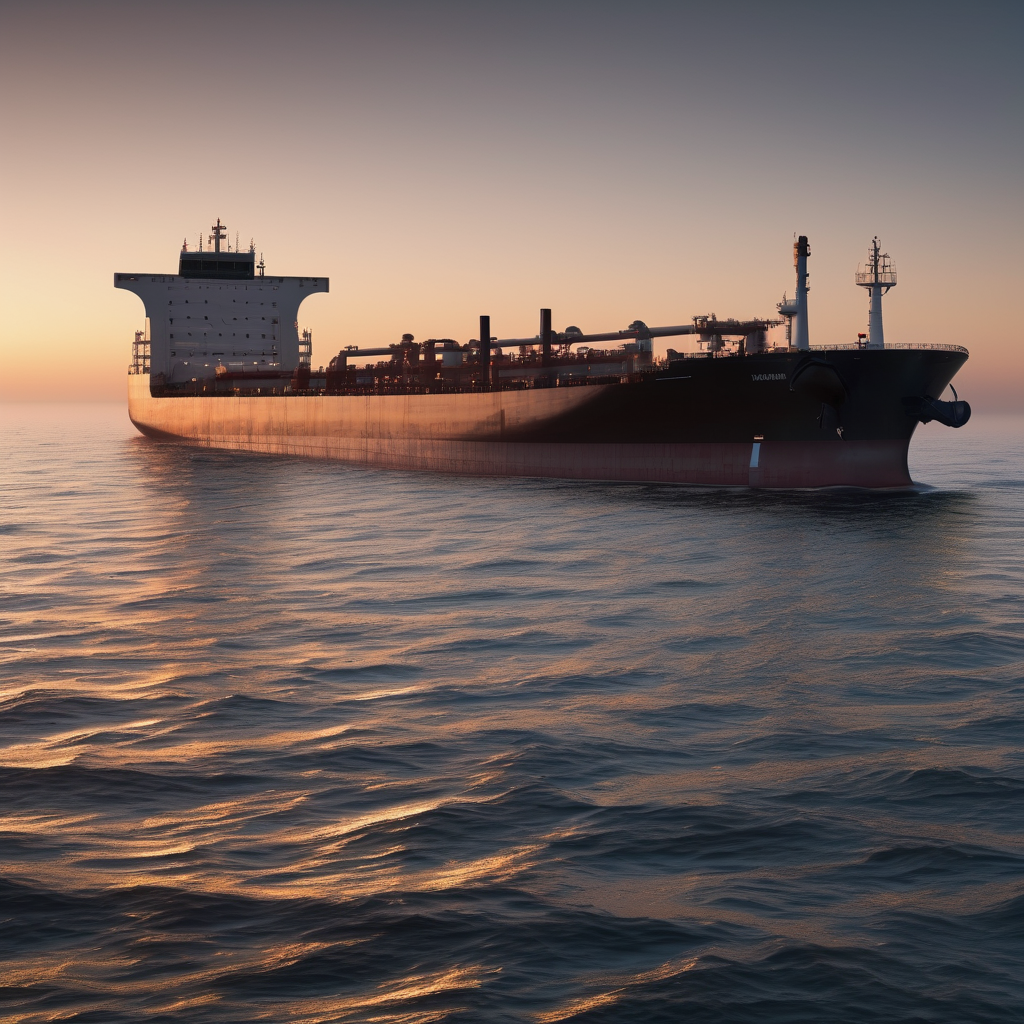
Ukrainian sea drones successfully struck a tanker involved in trading Russian oil on Wednesday, as it sailed through Ukraine’s exclusive economic zone in the Black Sea en route to the Russian port of Novorossiysk. This marks the third sea drone attack in just two weeks targeting vessels associated with Russia’s so-called “shadow fleet,” consisting of unregulated ships that aid Moscow in exporting substantial quantities of oil despite imposed Western sanctions.
The tanker, identified as the Dashan, was reportedly traveling at maximum speed with its transponders turned off when powerful explosions struck its stern, causing significant damage. A representative from the Security Service of Ukraine (SBU) confirmed the incident but did not mention any casualties resulting from the attack.
The Dashan is currently subject to European Union and British sanctions and sails without an identifiable flag, indicating its evasive tactics. The attack was corroborated by three maritime security sources, and video footage provided by Ukrainian officials captured the dramatic moment when naval drones approached and exploded upon impact with the vessel. Reuters verified the vessel’s identity through comparisons with previously recorded imagery and confirmed the incident’s specifics through ship tracking data.
An SBU official stated, “The SBU continues to take active measures to reduce petrodollar revenues to the Russian budget,” emphasizing the ongoing strategy to disrupt Moscow’s funding for the war. This recent attack is part of a broader campaign by Ukraine, which has included targeting Russian oil refineries using long-range aerial drones.
Russian President Vladimir Putin has responded critically to these operations, labeling them as piracy and threatening to cut Ukraine’s access to the Black Sea in retaliation. Additionally, there have been multiple instances of explosions affecting tankers associated with Russian ports, further highlighting the intensifying maritime conflict that has escalated since the invasion began in February 2022.
The increasing risks associated with shipping in the Black Sea have led to a surge in war insurance costs, with insurers now reviewing policies daily as the situation continues to evolve. The implications of these strikes hint at a more extensive strategy by Ukraine to undermine Russia’s oil revenues and maritime activities in the region, illustrating a significant escalation in the ongoing conflict.