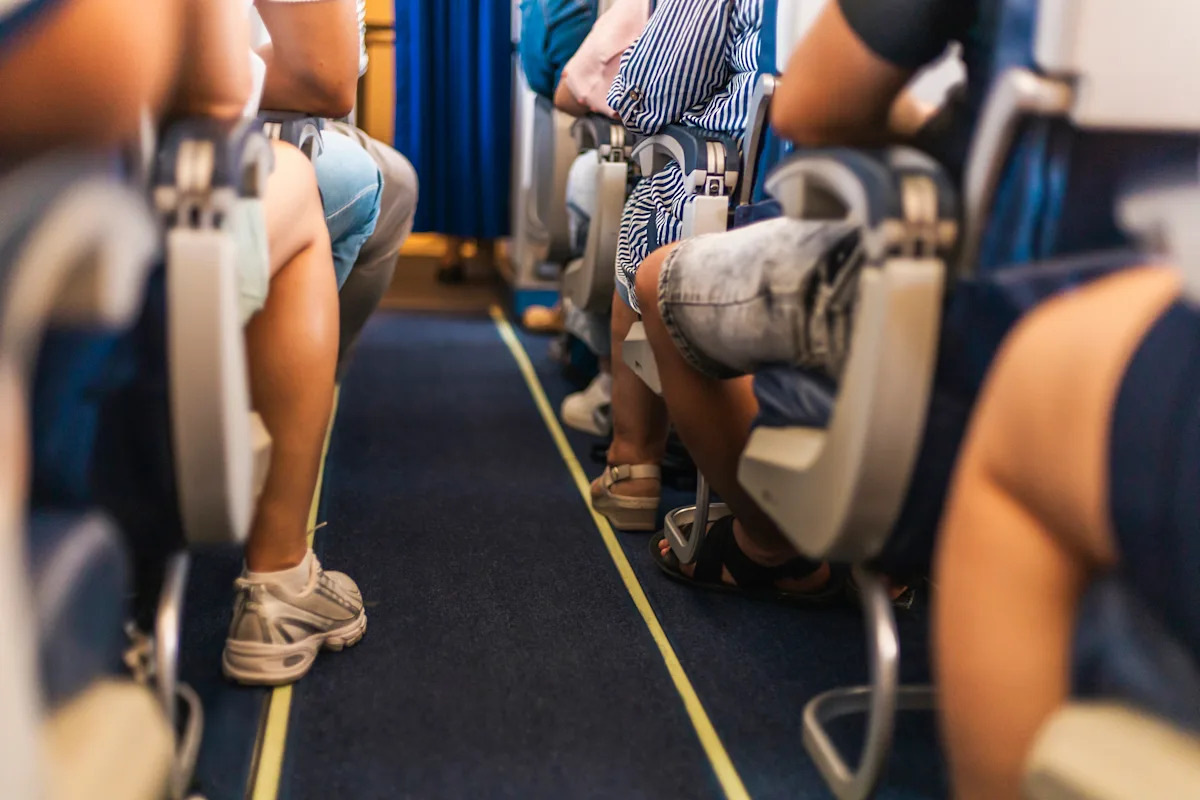
A recent flight from Las Vegas to Los Angeles ended with a familiar bout of cabin chaos that one passenger said even frustrated an off-duty crew member. As the plane touched down at Los Angeles International Airport, passengers in the rear rows began surging forward before the seatbelt sign was switched off, cutting ahead of dozens who were waiting to deplane in order. The behavior, witnessed from row 17, drew an exasperated mutter from the flight attendant sitting nearby: “Makes me crazy. It’s just so selfish. We all want to get off the plane.”
The traveler, a frequent flyer and travel writer, described the scene as routine but aggravating — people barreling up the aisle while others remained seated and patient. The off-duty flight attendant’s comment underscored a safety and service concern: crew members are responsible for cabin safety during taxiing and can be put under pressure when passengers move about prematurely. The writer said the flight attendant’s reaction was “refreshing” because it offered an unvarnished industry perspective on common passenger behavior.
What is new in this account is not only the firsthand description of the incident at LAX, but the wider regulatory response elsewhere that the attendant applauded. The Turkish Directorate General of Civil Aviation has recently introduced fines for passengers who stand or move about the cabin before the seatbelt sign is switched off. The penalties are about 2,603 Turkish lira — roughly $66 U.S. — and are designed to discourage risky behavior during taxiing, when sudden stops or turns can still occur.
Turkish regulators say the fines aim both to reduce the risk of injury and to maintain order during the often-overlooked final phase of a flight. Authorities point to specific hazards: passengers in aisles or reaching into overhead bins when the aircraft is taxiing are vulnerable if the plane jolts, and such movement complicates flight attendants’ efforts to manage the cabin. The new policy marks a rare direct monetary penalty for pre-departure or post-landing noncompliance with the seatbelt-sign rule.
Airlines and aviation authorities have long urged passengers to remain seated with seatbelts fastened until the sign is turned off, citing safety. The Turkish measure is notable because it moves beyond reminders and announcements to an enforceable sanction. Whether similar fines will be adopted elsewhere has not been announced; the LAX incident shows that the behavior prompting the change is common in many markets.
The traveler’s account concludes with a reminder about basic courtesy and collective safety: although everyone wants to disembark quickly, cutting ahead of others creates frustration and raises safety concerns. The flight attendant’s blunt assessment — that the rush is “selfish” — reflects a growing impatience among crew and frequent flyers with habits that undermine both order and safety in the cabin.