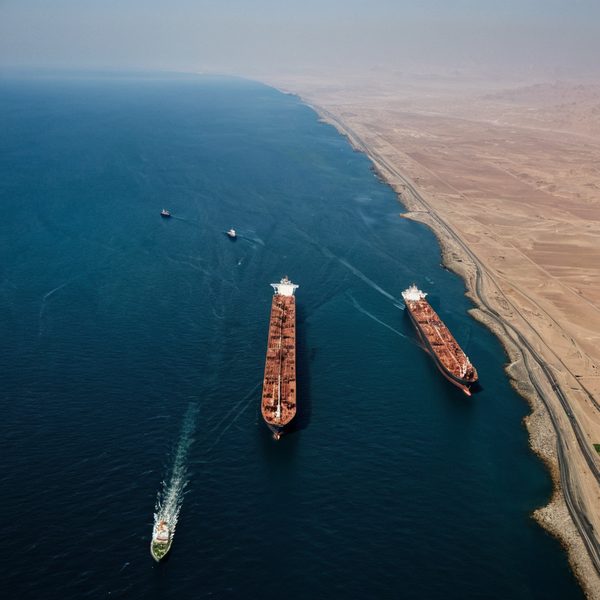
President Donald Trump intensified pressure on Iran on Saturday, issuing an expletive-laden ultimatum that demanded the reopening of the Strait of Hormuz by his self-imposed April 6 deadline or face what he again described as “hell.” Speaking to U.S. media, Trump nonetheless said there was a “good chance” a deal could be reached, reiterating a mix of hardline threats and last-minute optimism that has characterised his approach in recent days.
Trump’s comments reiterated an earlier warning that Tehran would face military strikes if it did not comply with his demand to reopen the strategic waterway, a choke point for global oil shipments. The president has moved multiple, short-term deadlines in recent weeks, a pattern that has left allies and analysts uncertain about the administration’s timeline and its willingness to follow through on forceful action. Despite that, Trump told reporters he remained hopeful that negotiations could produce a resolution before his April 6 deadline.
The Strait of Hormuz has been at the centre of the standoff after Iranian actions disrupted commercial traffic, prompting Washington to publicly threaten military measures to ensure freedom of navigation. Trump’s renewed threats came amid conflicting signals from Washington about whether diplomacy is underway and how seriously Tehran is engaging with any talks. U.S. officials have previously signalled readiness to act to reopen the strait if diplomatic avenues fail, but have also sought to keep channels for negotiation open.
Trump’s rhetoric has contributed to volatile reactions in global markets and among regional partners. Earlier reporting linked the president’s hardline pronouncements with a spike in oil prices and heightened risk premiums on shipments through the Gulf. Shipping firms and insurers have warned that continued instability around Hormuz would force costly rerouting or higher insurance fees for tankers, with knock-on effects for energy markets and consumers.
Analysts say the latest public ultimatum underscores the thin line between coercive diplomacy and escalation. Short, shifting deadlines can be intended to concentrate diplomatic pressure, but they also shorten decision cycles for military planners and raise the stakes for regional actors monitoring U.S. resolve. Iran has so far offered varying responses to U.S. demands; Tehran’s leaders have been defiant at times and conciliatory at others, making the trajectory of the crisis uncertain heading into the coming days.
With April 6 fast approaching, the situation remains fluid. Trump’s admonition — at once profane and hopeful — leaves open both the prospect of a negotiated reopening of the Strait of Hormuz and the risk of rapid military escalation if diplomatic efforts falter. International attention is likely to sharpen through the deadline as governments, markets and maritime operators monitor whether Tehran will comply or whether Washington will carry out the strikes it has threatened.