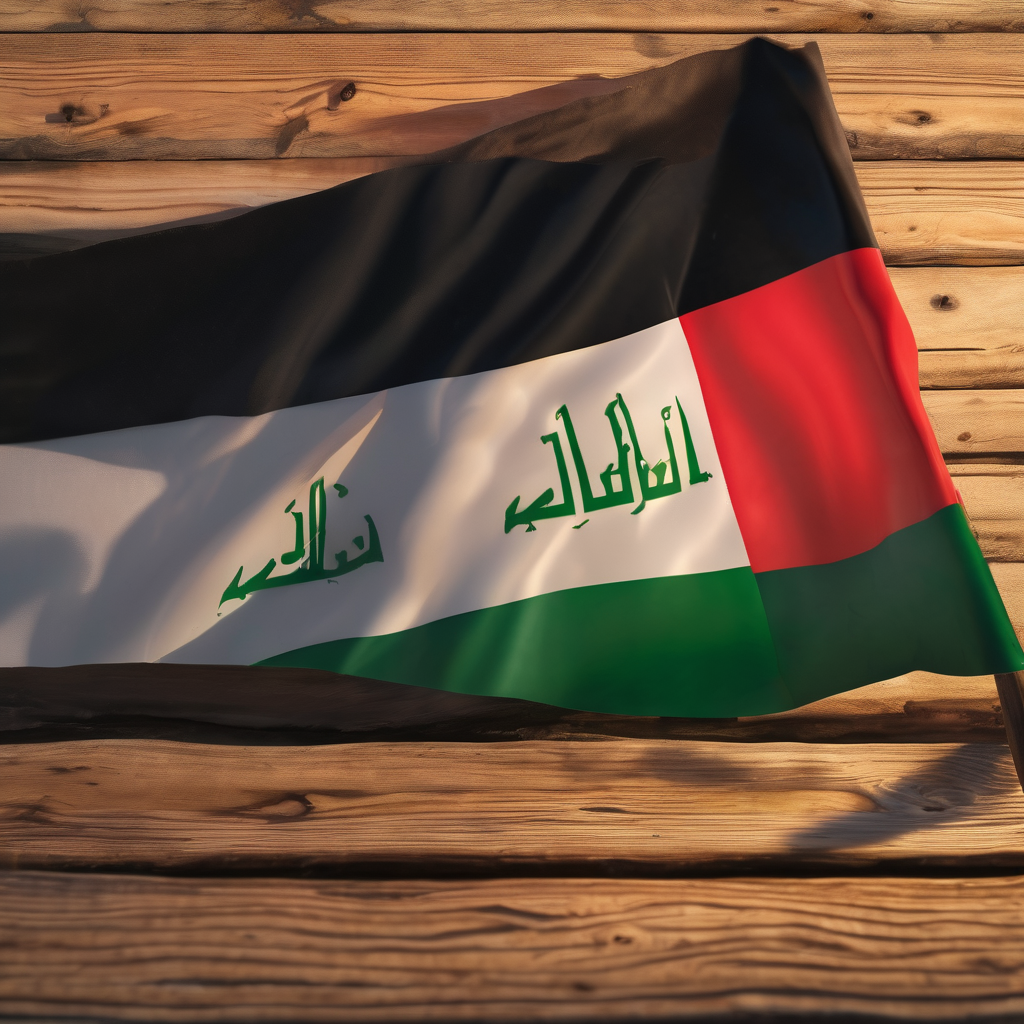
Former President Donald Trump has voiced his concerns regarding the possible reinstatement of Nouri al-Maliki as Iraq’s prime minister, reflecting on the chaos and poverty that characterized his previous tenure. Trump took to social media to assert that allowing al-Maliki to lead Iraq again would be detrimental, stating, “Because of his insane policies and ideologies, if elected, the United States of America will no longer help Iraq.” He emphasized that without U.S. support, Iraq would struggle to achieve success, prosperity, or freedom, urging the need to “MAKE IRAQ GREAT AGAIN!”.
Nouri al-Maliki, who led Iraq from 2006 to 2014 as the head of the Islamic Dawa Party, has been nominated again for the role by the Shia Coordination Framework, which commands a parliamentary majority. The nomination is anchored on his experience and historical role in governance.
After nationwide elections in November, which resulted in Shiite alliances securing 187 out of 329 parliamentary seats, al-Maliki’s nomination was recently acknowledged by Iraq’s president, Abdul Latif Rashid. The president expressed optimism that al-Maliki’s leadership could promote political stability, enhance national partnerships, and address the aspirations of the Iraqi people for improved security and public services.
Al-Maliki’s political journey is complex; after joining the Iran-backed Dawa Party in 1968, he fled Iraq in the late 1970s due to a death sentence for opposing Saddam Hussein. He returned after the U.S.-led invasion in 2003, a period that marked the beginning of intense turmoil in Iraq. During his previous administration, particularly from late 2013 to mid-2014, ISIS overran several key cities and territories, prompting the Iraqi government to deploy Shia-led paramilitary forces—a move the U.S. has historically opposed and called for disarmament against.
Amid these developments, Trump’s special envoy to Iraq, Mark Savaya, reiterated the importance of managing non-state armed groups, warning that failure to do so could lead Iraq toward fragmentation and decline. The upcoming decisions made by Iraqi leaders are critical, shaping the country’s path towards either sovereignty and strength or instability and regression.
This ongoing political landscape in Iraq highlights the challenges of governance and the delicate balance needed among various factions as the nation seeks to heal and progress in the wake of years of conflict.