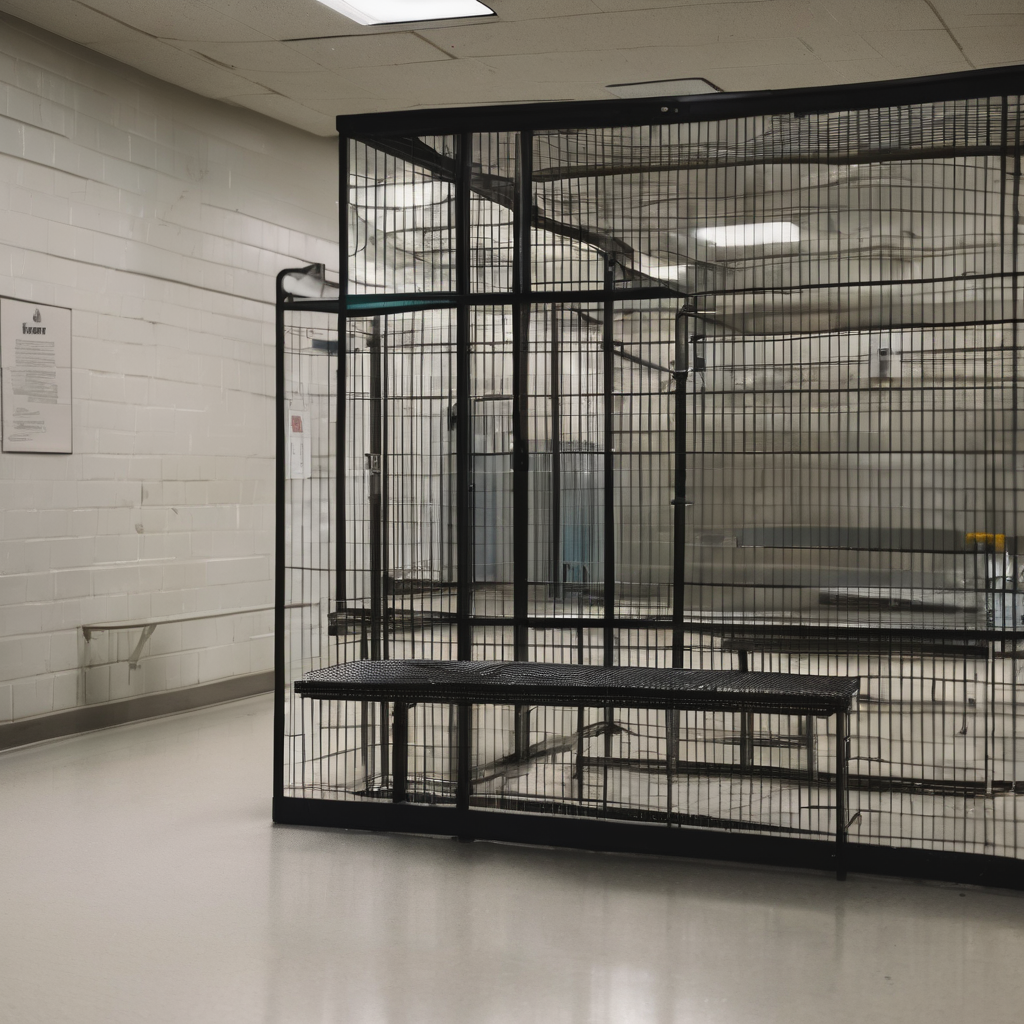
When President Trump assumed office in January 2025, the immigration detention population stood at approximately 40,000. By early December of the same year, this number surged nearly 75%, reaching about 66,000 individuals, marking the highest detention levels in U.S. history. The current system is reportedly capable of accommodating up to 70,000 detainees daily. Originally, the Trump administration aimed to expand this capacity to nearly 108,000 beds by January 2026, a goal that, while ambitious, illustrates the administration’s aggressive stance on immigration enforcement.
This unprecedented expansion is largely fueled by significant financial backing from Congress through President Trump’s One Big Beautiful Bill Act, providing ICE with a nearly $15 billion budget for immigration detention until the end of fiscal year 2029. This financial influx is rapidly transforming the landscape of immigration enforcement, with severe implications for hundreds of thousands of noncitizens who find themselves trapped in a complex and opaque network of jails and private prisons. The pressure to accept deportation has intensified under this environment, where detainees are increasingly coerced into forgoing their legal rights.
The roots of this expansive system can be traced back to the mid-1990s, but its growth aligns with a broader shift in federal law enforcement priorities. A notable aspect of this expansion is the profile of those detained; there has been a staggering increase of 2,450% in the number of detainees with no prior criminal record, attributed to intensified enforcement practices, including “at-large” arrests and indiscriminate worksite raids. This surge reflects a broader strategic shift in how immigration laws are enforced, prompting a substantial increase in arrests and detentions.
Following President Trump’s directive to maximize detention use, the number of discretionary releases plummeted by 87% from January to late November 2025. Consequently, immigrants are often forced to petition for release, resulting in numerous individuals being denied the opportunity to fight their cases from outside detention. The shift in policy has led to an alarming statistic: for every individual released, approximately 14.3 people were deported directly from detention, up from 1.6 a year prior.
The circumstances within ICE detention facilities have also deteriorated as the population continues to grow. As of November 2025, the number of operating detention facilities climbed from 40 to 104, a 91% increase within the year. These new facilities range from small local jails to newly constructed tent facilities capable of holding thousands. Disturbingly, 2025 saw the highest number of deaths in ICE detention for a non-COVID year, underscoring the declining conditions and the increasing desperation among detainees.
With Congress authorizing an additional $45 billion for ICE detention through Fiscal Year 2029, these developments are expected to further entrench the detention system, with estimates suggesting that ICE could accommodate as many as 135,000 detainees at any one time. This financial commitment primarily benefits private prison companies and local governments, creating a complex interaction between federal funding and detention facilities.
The opacity of the detention system has escalated under the Trump administration, which has effectively dismantled oversight mechanisms. With the elimination of key immigration oversight sub-agencies and restrictions placed on Congressional inspections, the likelihood of continued abuses within these facilities is high. As families traverse long distances or are deported without fair process, the challenges faced by detainees will likely worsen. Although some have found recourse through habeas corpus lawsuits, many remain unable to contest their detention due to a lack of resources or support.
The existing situation regarding immigration detention poses a considerable challenge as communities navigate these evolving and often distressing policies, raising critical questions about human rights and the future of immigration enforcement in the United States.