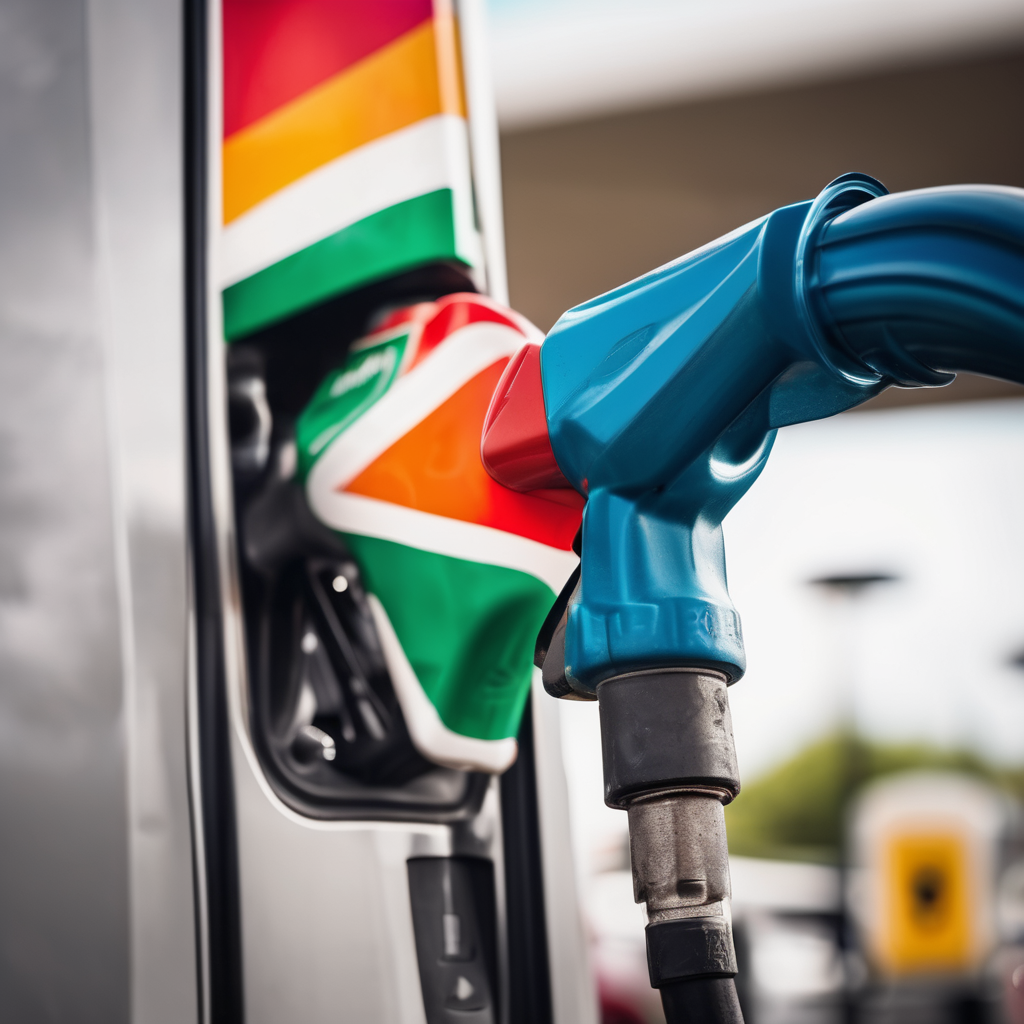
As fuel prices fluctuate, many drivers might not realize that all gas stations are not created equal. Quality of fuel can significantly impact vehicle performance and longevity. Understanding how to identify the best gasoline can lead to a smoother ride and a longer-lasting car.
Gasoline sold in the U.S. is mandated to contain a minimum amount of detergent, a regulation established by the Environmental Protection Agency in 1997. These detergents serve a crucial purpose, actively cleaning components of the fuel system, including injectors and intake valves. However, not all fuel contains the same level of detergent.
For higher quality fuel, consumers can look for TOP TIER certification. TOP TIER is a designation that identifies gasoline brands that meet specific standards for fuel quality, particularly in the area of detergents. Brands that achieve this certification are recognized for offering fuel that keeps engines cleaner and operates more efficiently. According to Bill Studzinski, the program manager for TOP TIER, approved brands provide significantly higher amounts of cleaning additives—anywhere from two to four times greater than federal requirements.
Notable brands with TOP TIER certification include Shell, Citgo, Costco, Mobil, Marathon, and Exxon. These brands are known for their commitment to fuel quality, thus ensuring that drivers receive better performance from their vehicles.
A common misconception is that higher-quality gas must be more expensive. While gas prices vary, the price doesn’t necessarily correlate with fuel quality. As long as a brand has TOP TIER approval, the fuel sold across its locations in the U.S. is of the same high standard.
Using non-TOP TIER gasoline is an option for drivers, but it’s essential to realize that it may come at a cost down the road. Lower-tier fuels typically contain fewer detergents, which can lead to potential engine issues over time. However, in situations where a TOP TIER station is not conveniently located, drivers can opt for whatever is available and practical.
Overall, understanding the differences between fuel types can enhance the driving experience and reduce long-term maintenance costs. As vehicle owners become more educated about the importance of fuel quality, there is hope for improved vehicle performance and longevity across America’s roads.