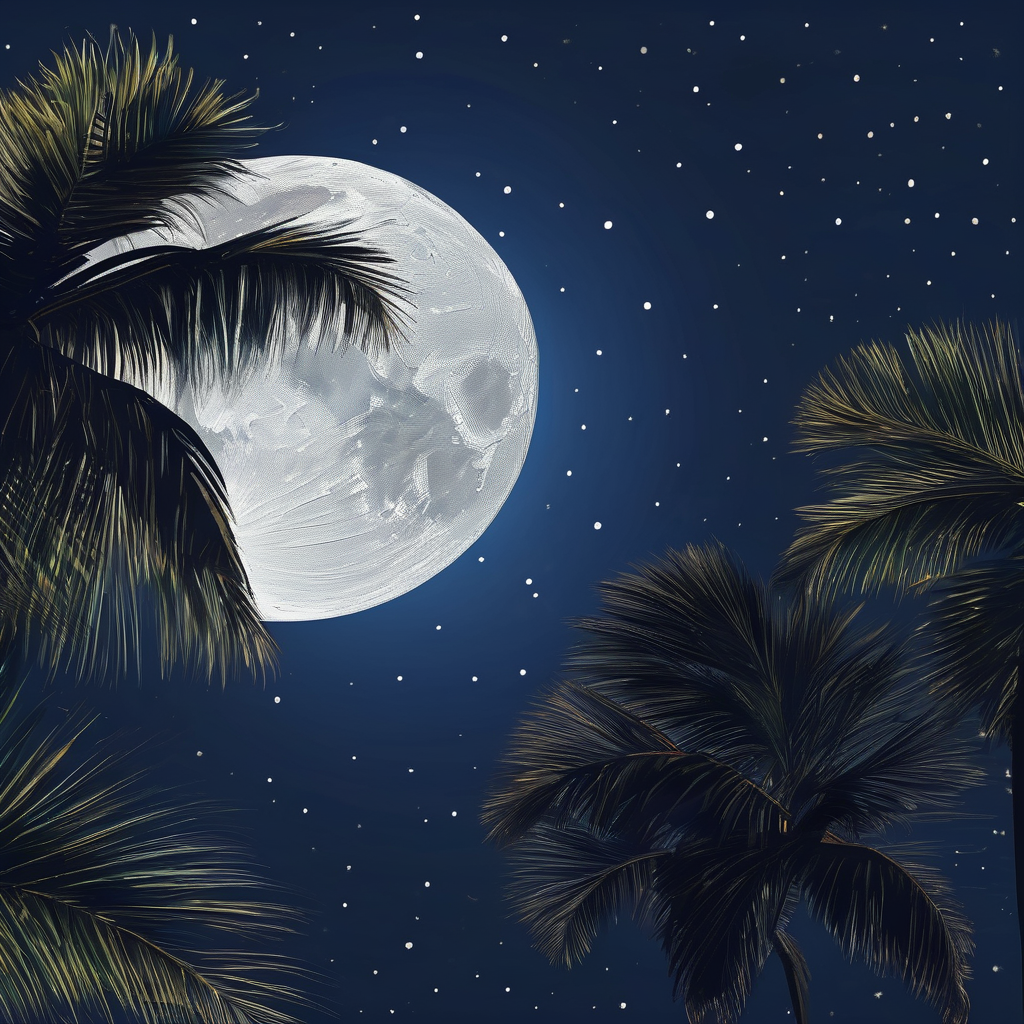
Tonight, February 24, stargazers are in for a treat as the moon, newly positioned in its first quarter phase, will grace the southern sky. The moon’s right half will shimmer with sunlight while the left side remains cloaked in shadow, offering a beautiful sight for onlookers.
With the naked eye, the moon will appear as a half-lit disk alongside the stunning backdrop of the constellation Taurus. Just over 10 degrees to the moon’s lower right lies the Pleiades open cluster, which is made up of around 1,000 blue-white stars. In the lower left region, you will find the Hyades open cluster, recognizable by its “V” shape, symbolizing the face of the Great Bull, with the radiant red star Aldebaran representing the creature’s eye.
Further afield, Jupiter will stand out as a bright point of light in the constellation Gemini, while Sirius, the brightest star in the night sky, will shine in Canis Major, positioned beneath the moon. The majestic constellation of Orion will be found between the brilliant Sirius and the glowing moon.
The moon’s half-lit form makes it an impressive sight, accentuated by the dark basaltic plains of lunar maria that contrast against its silvery surface. These maria formed eons ago when volcanic activity flooded areas left vulnerable by asteroid impacts. Observers using binoculars will find that these colossal features appear even more striking, revealing the moon’s rich and turbulent history.
For those with a telescope, the first quarter phase offers a prime opportunity to explore the craters along the moon’s terminator— the line separating the illuminated and shadowed portions. Specifically, observers can look 10 degrees below the lunar equator to spot a trio of sizable impact craters. The most northern, Ptolemaeus, spans 95 miles (153 kilometers) and is named after the renowned Greek mathematician. Below it, the smaller Alphonsus and Arzachel craters await discovery.
As you explore further south along the terminator, you’ll encounter additional intriguing craters, including Purbach, Regiomontanus, and Walther. The towering peaks of these craters create dramatic shadows within their interiors, providing a captivating view of the moon’s ancient landscape.
For enthusiasts keen on enhancing their observations, there are recommendations available for the best telescopes and binoculars suited for night sky viewing. Photography aficionados aiming to capture the awe-inspiring beauty of the moon can also refer to guides on optimal moon photography techniques.
As the night unfolds, observers are encouraged to relish the spectacular scenes above while also sharing their moonlit images with the broader community, contributing to the shared appreciation of our celestial neighbor.