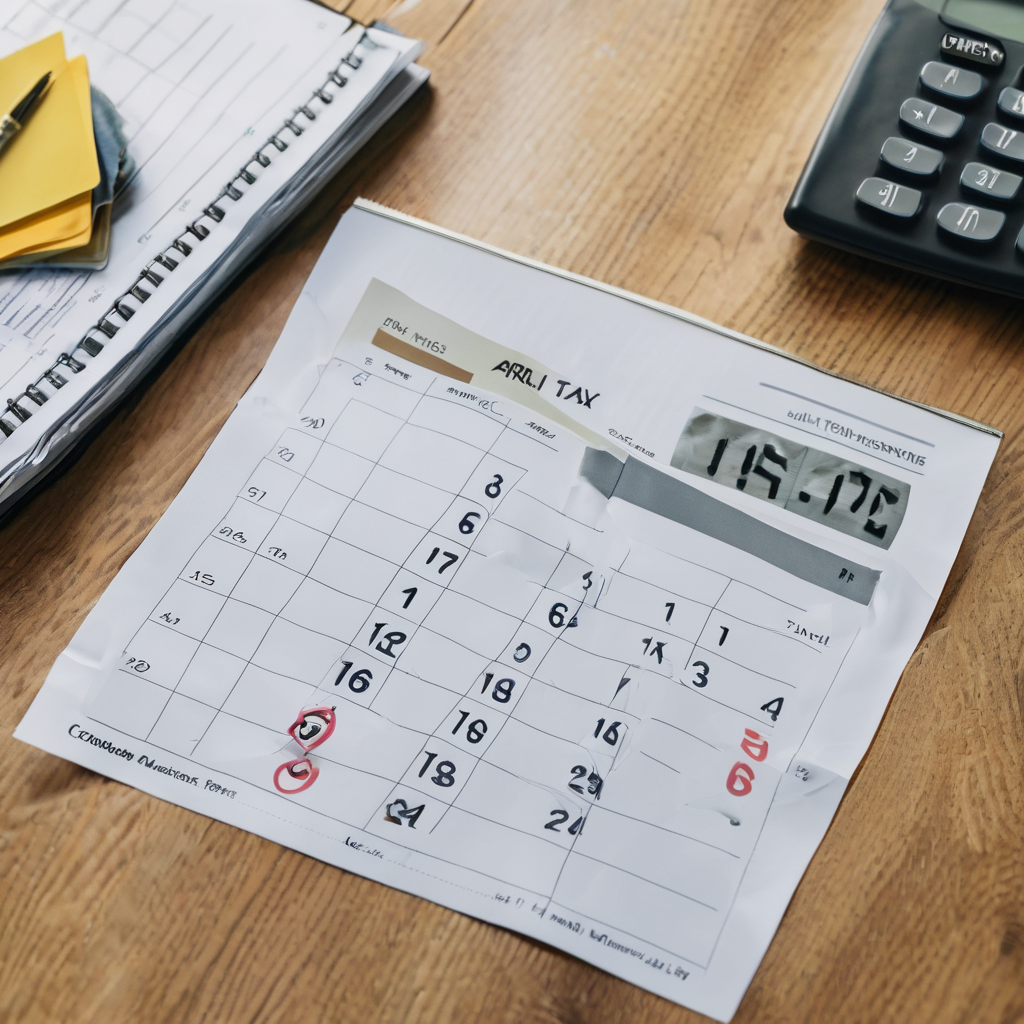
As Tax Day approaches, it’s essential to mark important dates on your calendar for the upcoming tax season. For most taxpayers, taxes for the year 2025 will need to be filed by April 15, 2026, which is a Wednesday. If you find yourself unable to meet this deadline, remember that a six-month extension can be requested.
For those curious about refunds, the IRS indicates that taxpayers who file electronically and choose direct deposit can typically expect their refund within 21 days. However, if you mail a paper return, you may have to wait four weeks or more before receiving your refund.
Missing the tax deadline can lead to significant penalties. The standard penalty for failing to file on time is 5% of any tax owed per month, capped at 25% of the total unpaid balance. On the other hand, if you file a return but don’t pay any taxes owed, the penalty drops to 0.5% of the unpaid amount each month.
It’s worth noting that there are exceptions to the April 15 deadline. The IRS allows for extensions for individuals living or conducting business in areas impacted by disasters and for residents in states with local holidays. A comprehensive list of these extensions can be found on the IRS website.
For those who file for an extension, the new deadline to file will be October 15, 2026. However, this extension only applies to filing your return, not to the actual payment of any taxes due. To avoid penalties, it’s advisable to estimate your tax liability and make any necessary payments by the original April 15 deadline.
Freelancers and independent contractors should take note of the 1099 deadline, as they should receive their 1099 tax forms by February 15, with employers required to send these forms by the end of January. On the other hand, W-2 forms for traditional employees must be sent by January 31.
Quarterly tax payments are also crucial for individuals earning income not subject to withholding. The IRS requires quarterly estimated tax payments, and for 2026, these payments are due on April 15, June 15, September 15, and January 15, 2027.
As the tax season unfolds, staying organized and aware of these key dates can help taxpayers navigate the process smoothly and avoid any unnecessary penalties.