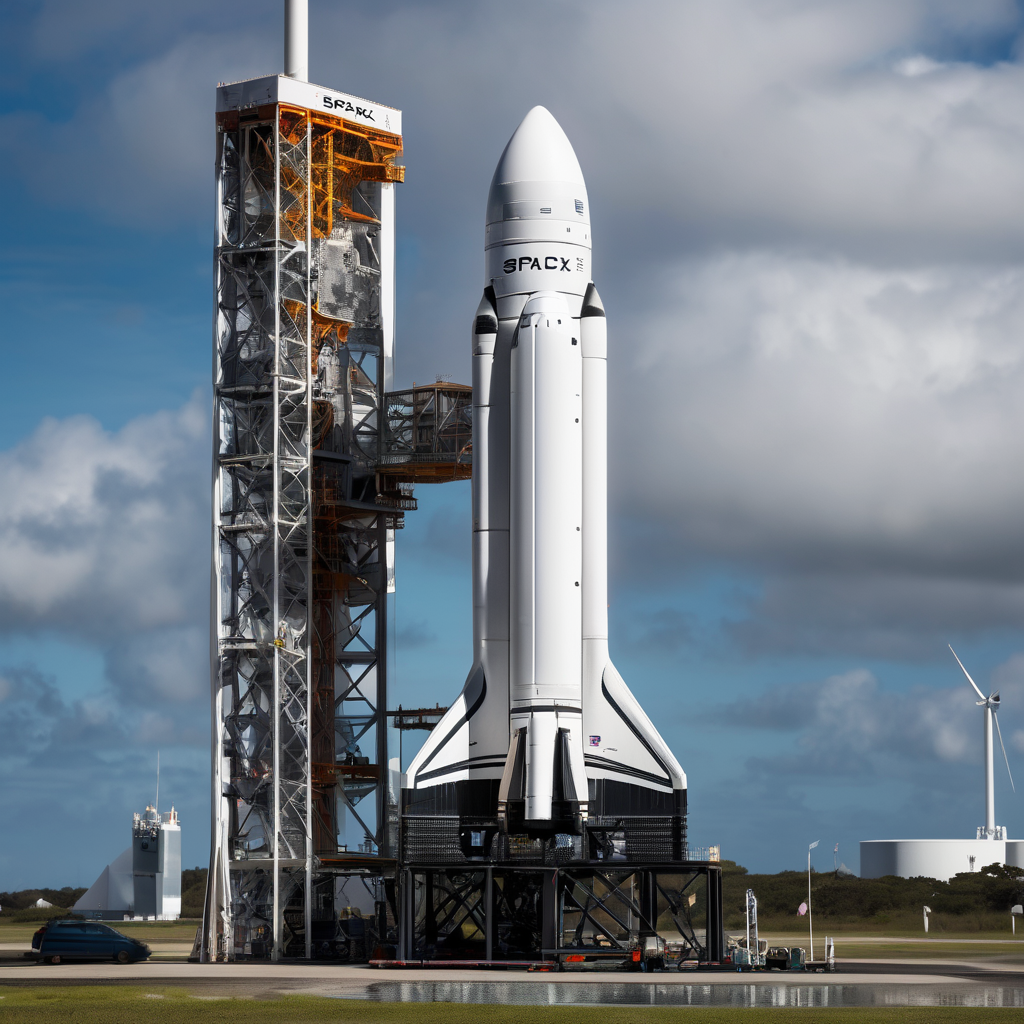
SpaceX, the renowned aerospace manufacturer and space transportation company founded by Elon Musk, is poised to transition from a private entity to a public one in 2026 after more than two decades of operating independently. Musk recently hinted at the possibility of an initial public offering (IPO), sparking speculation that the company could be valued as high as $1.5 trillion.
This potential IPO arrives during an important phase for SpaceX as the company continues to add Starlink subscribers, set new records with its Falcon 9 launches, and deepen its collaboration with the U.S. government through initiatives like Starshield. The company is also advancing the development of its ambitious Starship rocket in order to meet critical NASA deadlines and has revealed plans for orbital data centers.
Industry analysts, including Tim Farrar of TMF Associates and Antoine Grenier from Analysys Mason, have discussed the implications of this potential IPO. Grenier noted that although there were valid reasons for keeping SpaceX private in the past, the recent sustainability of the Starlink business model and the need for substantial capital to fund ongoing projects make now an opportune moment for a public offering.
Farrar added that while SpaceX has successfully raised funds privately, transitioning to public status might align with Musk’s desire to shift the focus from Tesla—his other major company—to SpaceX as the centerpiece of his public business narrative. Given its recent share sale placing SpaceX’s valuation at $800 billion, there is significant anticipation around how this could soar during an IPO.
As analysts evaluate the rationale behind SpaceX’s projected valuation at $1.5 trillion, they emphasize that traditional financial metrics may not apply. Instead, the valuation largely hinges on investor confidence in Musk’s vision for future technologies, such as space-based data centers, and the company’s ability to tap into speculative markets.
However, the transition to a publicly traded company does pose risks. The necessity of increased transparency regarding financial performance may reveal information that could lead to a reassessment of the company’s growth potential. Analysts express concerns that uncertainty regarding Starship’s development and future cash flows could heighten investor scrutiny.
Despite this, the outlook for SpaceX remains largely positive. Its unique position within the space industry as a leading provider of launch services and satellite internet through Starlink offers a resilient revenue stream. Furthermore, the potential for substantial capital following an IPO could empower SpaceX to accelerate its ambitious endeavors in space exploration, such as plans for orbital data centers—a concept that, while in early stages, could align with the broader trend toward leveraging space for emerging technologies.
In conclusion, as SpaceX stands on the brink of a historic IPO, the industry watches closely to see how this move will reshape the competitive landscape and foster future innovations within the space sector. The transition to public life, backed by a robust vision and pioneering spirit, could potentially herald a new era for both SpaceX and the broader aerospace industry.