In the heart of the Karst region, where Slovenia and Italy converge, lies Vilenica, reputedly the world’s first tourist cave with visitors dating back to 1633. As the lights are switched off, an enveloping darkness reveals the cave’s splendor when illuminated again; a majestic antechamber showcases towering stalagmites and stalactites, their colors enhanced by iron oxide. This subterranean wonder is part of a vast network of caves that make the Karst region renowned for its unique geological formations.
The enchanting terrain above ground is characterized by distinctive limestone rock formations and dolines, where the earth has given way beneath. Venturing further, I arrive at Škocjan Cave, home to an impressive underground river that cascades through chambers that soar nearly 150 meters high, creating an almost dreamlike atmosphere as the sounds of rushing water reverberate off the walls.
As we drive through this captivating landscape, I’m captivated by the serene, unspoiled countryside dotted with small bilingual villages, bridging the cultural gap between Italy and Slovenia. Both nations are rallying to promote this region as a unified destination, aiming to ease the pressure of overcrowding seen in more popular tourist spots. The establishment of the GeoKarst geopark, supported by EU funding, aims to highlight the area’s rich shared heritage and is seeking UNESCO recognition.
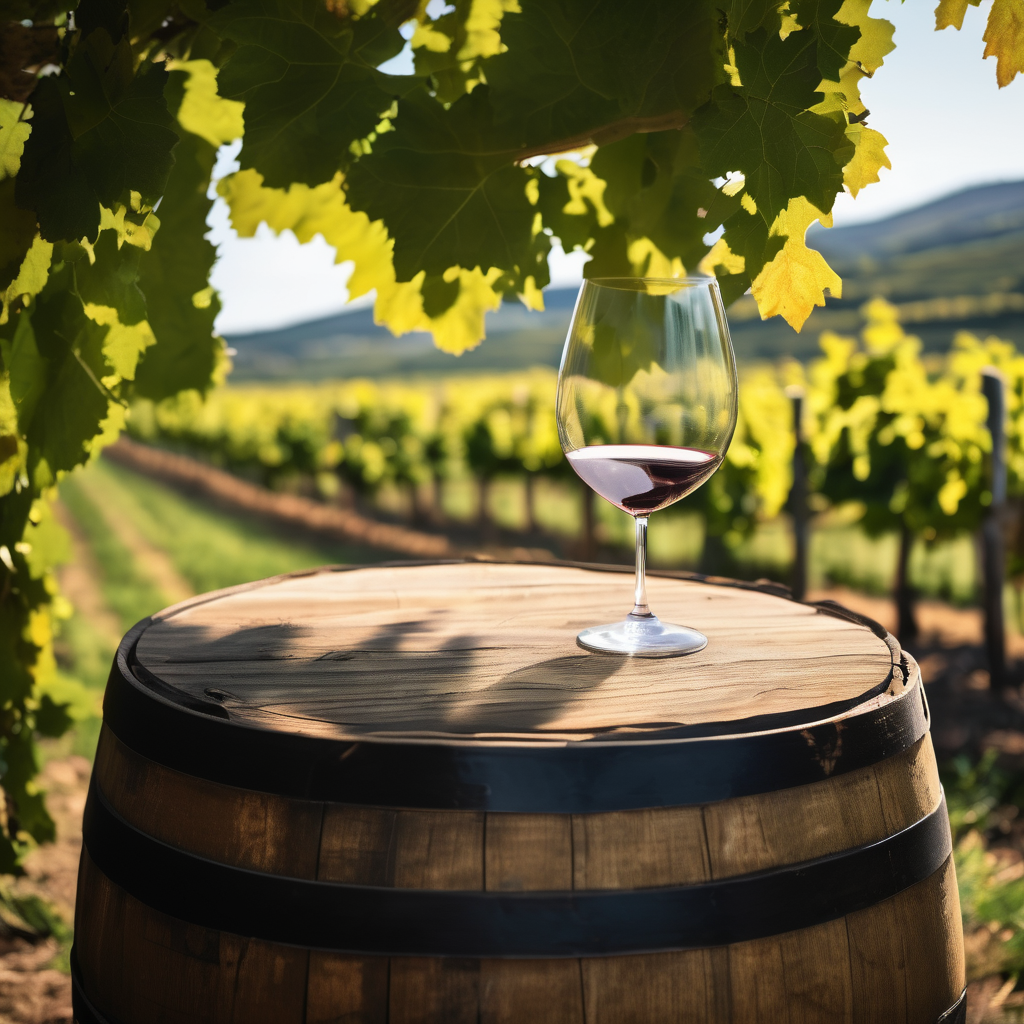
Among the highlights of this region is Štanjel, a picturesque medieval village reminiscent of a quaint Provence without the throngs of tourists. Its quaint cobbled streets echo with history, showcasing architecture that has withstood time. During sunset, I savor a glass of local vitovska wine at Bistro Grad, surrounded by a fragrant décor of dried flowers and captivating views of the surrounding valley.
Crossing into the Italian side of the Karst, I find myself in Trieste, a dynamic university city where Italian culture intertwines with Austrian influences. This unique blend creates an open-minded and welcoming atmosphere; locals enjoy their coffee or wine in solitude, free from the expectations often felt elsewhere in Italy. The city’s vibrant art deco architecture and abundant cultural offerings provide a captivating backdrop for visitors.
Beyond the urban bustle, the natural beauty of the region awaits just a short drive from the city center. The Via Napoleonica offers breathtaking coastal views and connects several charming towns, including Prosecco, the birthplace of the iconic sparkling wine.
The gastronomic offerings in the Karst region are a delight, largely sourced from local farmers. A visit to an osmice, a family-run farm or vineyard, provides an authentic taste of the region, featuring homemade cheeses, wines, prosciutto, honey, and olive oil. The Parovel family, whose roots in the village stretch back generations, welcomes visitors to enjoy their culinary creations amidst the stunning Rosandra valley.
For those interested in exploration, the scenic 4-mile hike through the Rosandra valley distinctive features its wild cherry trees and diverse wildlife. Adventurous travelers may discover the local tradition of “wine caves,” where locals leave out wines and cheeses on an honor-bar basis for those passing through—truly a reflection of the community spirit ingrained in the Karst region.
This enriching blend of natural beauty, cultural heritage, and warm hospitality highlights the Karst region as a hidden gem that promises visitors a unique experience, far removed from the bustle of well-trodden tourist routes. The journey through its enchanting landscapes offers a special connection to the land and its rich history, making it a destination worth exploring.