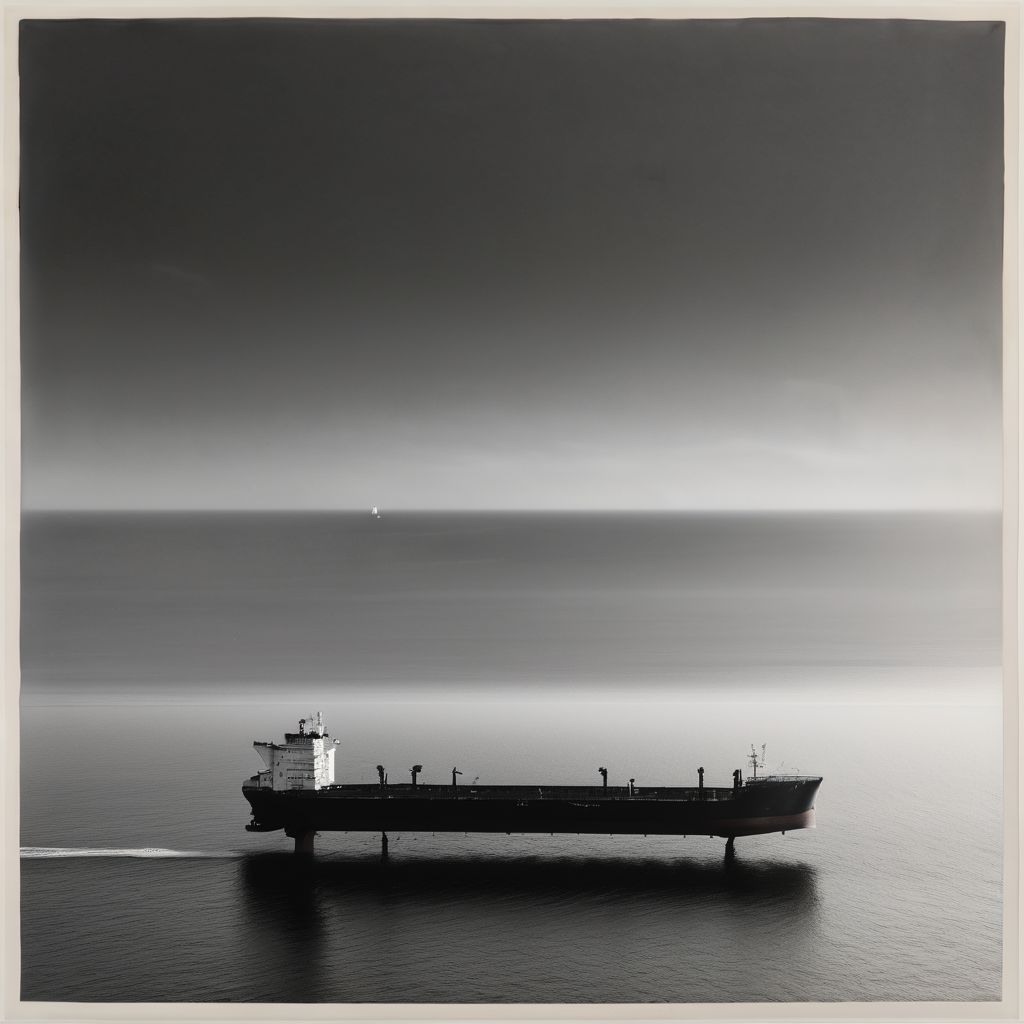
U.S. forces conducted a pre-dawn operation on Saturday, intercepting an oil tanker off the coast of Venezuela for the second time in less than two weeks, amid increasing pressure from President Donald Trump on Venezuelan President Nicolás Maduro. This action follows Trump’s announcement of a “blockade” targeting sanctioned oil tankers operating within or traveling to and from the South American nation, which is grappling with severe political and economic turmoil.
Homeland Security Secretary Kristi Noem confirmed that the U.S. Coast Guard, supported by the Defense Department, stopped the vessel named Centuries, which was recently identified near Venezuela’s coast. The ship, operating under the Panamanian flag, was boarded with the consent of its crew, according to a U.S. official who requested anonymity. The intent behind this operation was emphasized by Noem on social media, where she reiterated the U.S. commitment to disrupting illicit oil movements tied to narco-terrorism in the region.
The earlier seizure of the Skipper, which was already recognized as part of a shadow fleet moving sanctioned cargo, sharply contrasts with the rationale surrounding Centuries. White House Deputy Press Secretary Anna Kelly suggested that Centuries also operated as a vessel in the Venezuelan shadow fleet, allegedly trafficking stolen oil. However, Dr. Salvatore Mercogliano, a maritime expert, pointed out that the vessel appears to be legally registered. Mercogliano indicated that despite its potentially sanctioned cargo, the operation serves as a “big escalation” in U.S. efforts to deter other vessels from engaging in similar activities.
In response to the U.S. actions, Venezuela’s government condemned the boarding as “criminal” and expressed intentions to pursue legal avenues, including complaints to the United Nations Security Council. They criticized the U.S. military’s intervention as a theft of Venezuelan oil and denounced the enforced disappearance of its crew.
The increased military focus on Venezuelan oil tankers correlates with Trump’s broader strategy toward Maduro, particularly regarding U.S. investments in Venezuela dating back to nationalization efforts in the 1970s and 21st century under the Chávez and Maduro administrations. Trump has reiterated calls for Venezuela to return U.S. assets seized years ago, suggesting a dual motivation of reclaiming lost investments and combating drug trafficking.
U.S. military presence has increased significantly in the region, aimed not only at intercepting sanctioned oil shipments but also at countering drug smuggling operations alleged to be linked to Maduro and narcoterrorism. This comes as the Trump administration has reported a series of strikes against vessels suspected of drug trafficking, which have attracted scrutiny from lawmakers and human rights groups questioning their justification.
As tensions escalate between the U.S. and Venezuela, the nation continues to work through its formidable challenges, maintaining that the U.S. interventions are more about undermining its government than expressed reasons of drug enforcement. The geopolitical landscape in this vital region remains as complex and charged as ever.