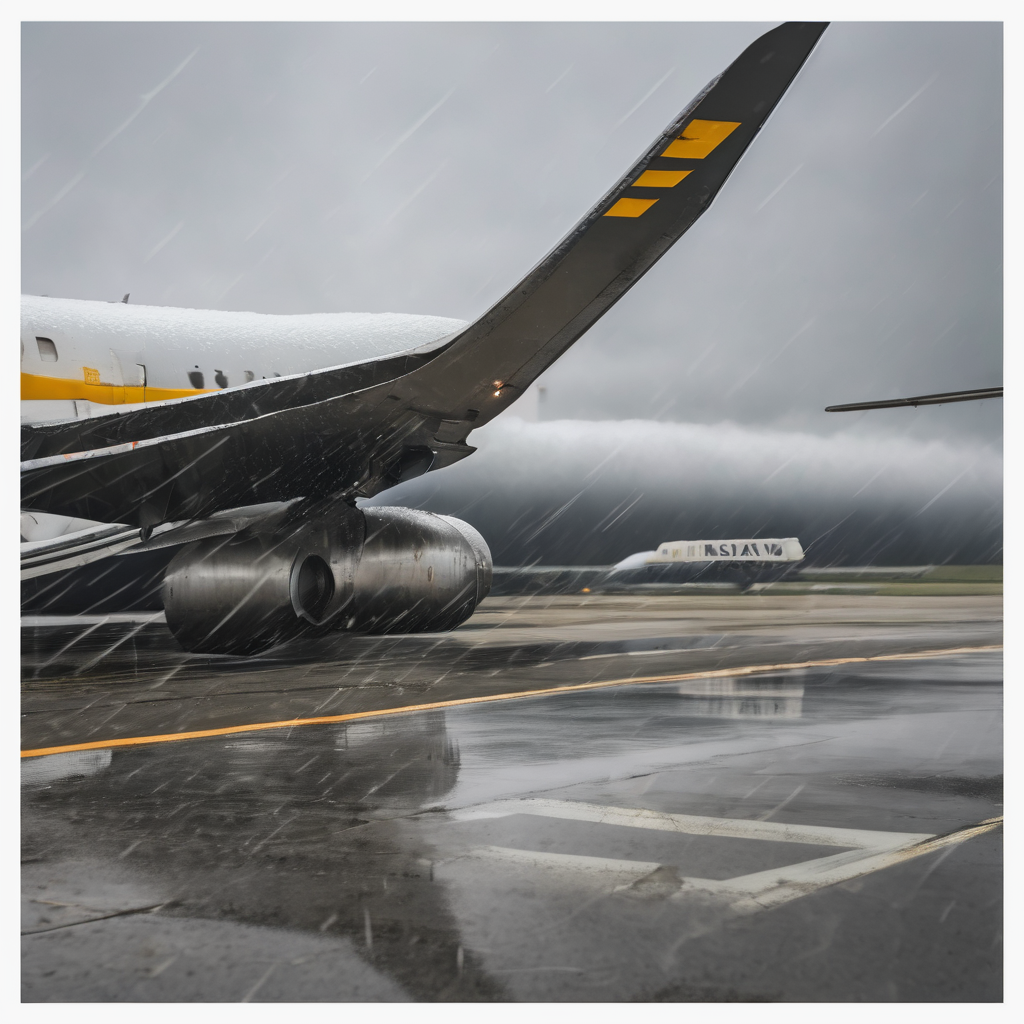
Severe weather conditions wreaking havoc across the Pacific region have led to significant disruptions in flight schedules operated by major airlines such as United Airlines, Hawaiian Airlines, and GoJet. Over 30 flights have been canceled, and many more have been delayed, primarily affecting major airports including those in Houston, Newark, San Francisco, and Honolulu. This series of cancellations has triggered widespread travel chaos, leaving numerous passengers stranded and prompting concerns about the tourism industry.
United Airlines has faced substantial cancellations across various routes, impacting both domestic and international travelers. Key cancellations include flights from Houston to Newark and London, stranding passengers and causing considerable inconvenience for those with business or leisure plans. Newark Liberty International Airport also saw a high number of affected passengers traveling to popular destinations such as San Francisco and London.
Hawaiian Airlines has similarly grappled with cancellations due to strong winds and storms, particularly affecting its main hub at Daniel K. Inouye International Airport in Honolulu. Flights to and from popular West Coast destinations, including Portland and San Jose, were severely disrupted. The impact of these cancellations resonates deeply in Hawaii, where tourism is a critical economic driver.
GoJet Airlines, too, has not escaped the turmoil, with several of its flights canceled, particularly at key hubs like Chicago O’Hare and Buffalo Niagara International Airport. Travelers on routes between Chicago and Peoria and Buffalo to Washington D.C. faced significant disruptions.
The ripple effects of these cancellations have led to thousands of passengers experiencing delayed journeys. Many found themselves waiting for hours in crowded terminals, facing increased costs associated with booking new flights, accommodations, and meals. Emotional stress has also compounded the situation, as travelers have been separated from family gatherings and critical events.
The implications extend beyond inconvenienced travelers; local tourism is feeling the brunt of the turmoil. Tourists unable to access iconic destinations such as New York City due to flight cancellations are a potential economic blow to local businesses. In Hawaii, with visitors delayed, key tourist spots are witnessing a downturn in revenue from services reliant on steady tourist traffic.
Despite these challenges, the situation presents key opportunities for airlines and tourism sectors to bolster resilience. Improved communication strategies from airlines can significantly alleviate passenger frustrations. Notifications through mobile apps and staff orientations at airports can keep travelers informed during disruptions. Additionally, airlines must develop robust contingency plans, which could include flexible ticket options and support for stranded passengers. Investing in technological solutions to predict weather disruptions more accurately might also play a crucial role in reducing future cancellations.
In facing the trials presented by the current situation, there are hopeful signs for recovery. The tourism and airline industries have the chance to learn and adapt, emerging from this setback more resilient than before. By focusing on smarter preparedness and enhanced customer support, the road ahead holds promise for better management during adverse conditions, ensuring both travelers and local economies can flourish in the future.