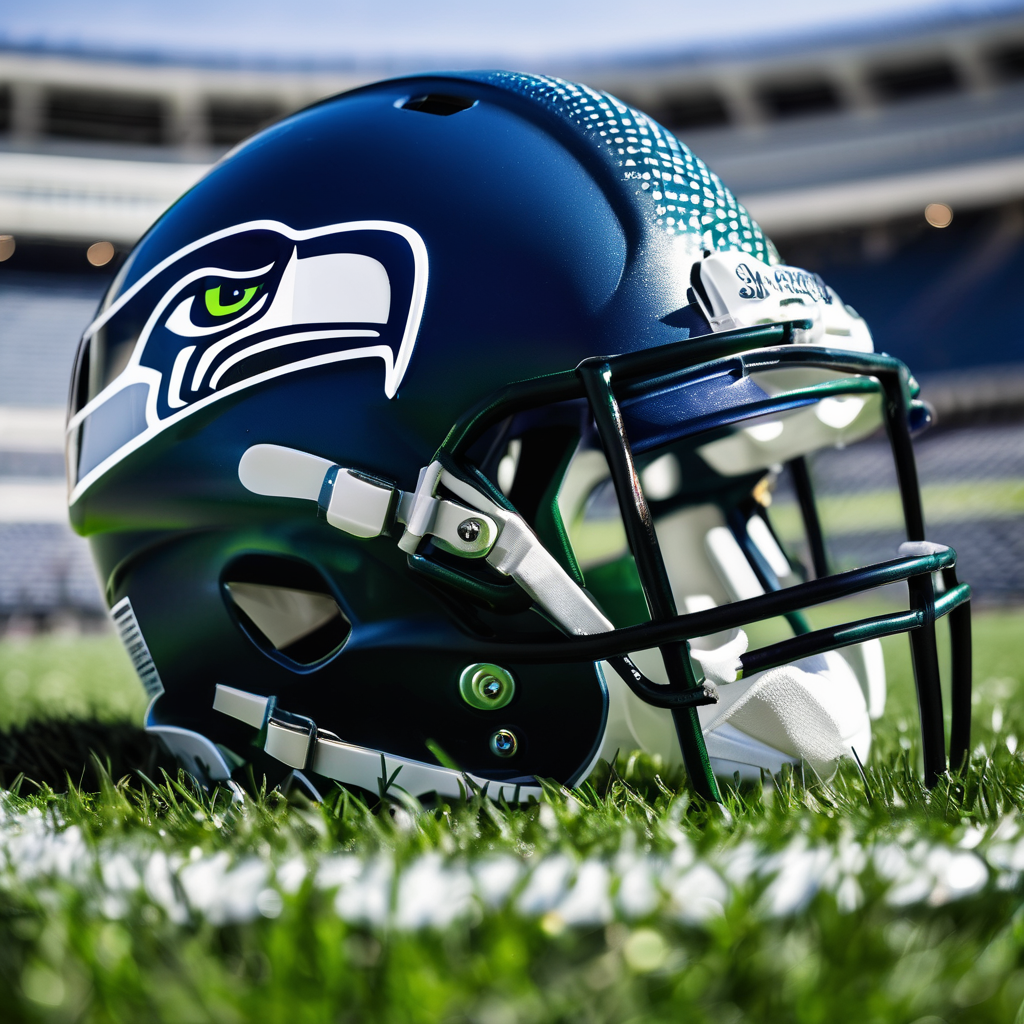
Five former collegiate athletes from the region are set to make their mark in Super Bowl LX, scheduled for February 8 at Levi Stadium in Santa Clara, California. This year’s matchup between the Seattle Seahawks and the New England Patriots features three players with local college connections on the Patriots and a pair of Seahawks alumni, making the game particularly enticing for fans from the area and potentially boosting viewership beyond last year’s impressive total of nearly 128 million.
The Patriots’ trio includes wide receiver Efton Chism III from Eastern Washington University, linebacker Christian Elliss from the University of Idaho, and wide receiver Kyle Williams from Washington State University. Representing the Seahawks are Cooper Kupp, a former Eastern Eagle, and offensive tackle Abraham Lucas, also from Wazzu.
Apart from the glory of competing on such a grand stage, players are incentivized with financial bonuses: $178,000 for each member of the winning team and $103,000 for those on the losing side—figures that, while significant, pale in comparison to the sizeable contracts most of these athletes command in their careers.
To put this in perspective, Super Bowl I, which took place on January 15, 1967, awarded every player on the winning Green Bay Packers team $15,000, a notably smaller sum compared to today’s payouts. However, while the monetary rewards may be fleeting, the honor of being a Super Bowl champion is a lasting achievement akin to an Olympic medal.
A look back at the history of Super Bowl rings reveals that eleven former players from Idaho have won the coveted piece of jewelry. Notably, Jerry Kramer, who played for the Packers, has two rings from the first two Super Bowls, while former lineman Mark Schlereth holds the record for the most rings among Vandals with three, won during his tenure with the Washington Redskins and Denver Broncos.
Kupp’s noteworthy performance in Super Bowl LVI, where he led the Los Angeles Rams to a thrilling 23-20 victory and earned MVP honors, adds to the excitement surrounding his participation in this year’s Super Bowl. Furthermore, Ed Simmons, another Super Bowl champion from Eastern Washington, is historically linked to the only Super Bowl victory by a Washington State player; he was part of the offensive line during the Redskins’ win in Super Bowl XXVI in 1992 alongside MVP Mark Rypien.
With both Kupp and Elliss participating in their second Super Bowl, the event marks a significant milestone for many of the athletes involved. For Chism, Williams, and Lucas, this game represents their inaugural Super Bowl experience, presenting them with an opportunity to engrave their names in the annals of football history. As they prepare to take the field, the anticipation builds not only for victory but for the lasting legacy they hope to create in their sport.