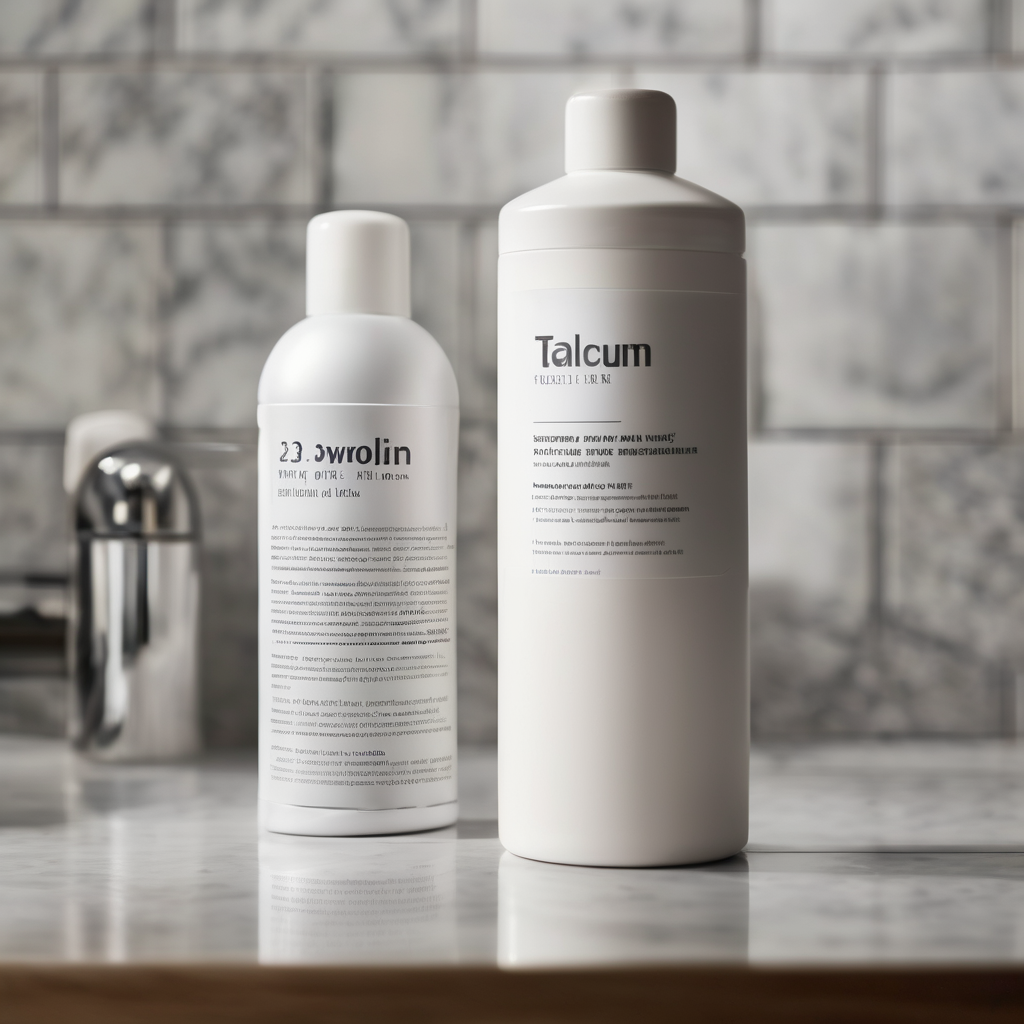
Talcum powder litigation has seen significant advancements recently, with juries delivering substantial verdicts in cases connecting mesothelioma to asbestos-contaminated talc products. Recent jury decisions, including a notable award of $966 million and another of $1.5 billion, have garnered national attention and heightened scrutiny of consumer talc products.
For individuals diagnosed with mesothelioma who have utilized talcum powder, baby powder, or talc-based cosmetic items, these landmark verdicts raise critical questions regarding their legal eligibility and the robustness of their claims.
In a remarkable ruling, a California jury awarded $966 million to the family of a woman who developed mesothelioma after years of using talcum powder. The lawsuit claimed that the talc products were tainted with asbestos and that the manufacturer failed to adequately inform consumers of the potential cancer risks associated with their use. Mesothelioma, an aggressive cancer most commonly linked to asbestos exposure, has become a focal point in these lawsuits, with plaintiffs arguing that prolonged usage of talcum powder led to inhaled exposure sufficient to result in disease.
The verdict not only included compensatory and punitive damages but also signified a growing recognition of the serious implications of talcum powder use, translating to a significant evolution in talc-related litigation. This judgment is part of a broader trend highlighted in another significant case, where a jury awarded $1.5 billion over similar asbestos contamination claims linked to cosmetic talc products.
These substantial verdicts underscore a clear message from juries regarding historical product testing, internal documents, and expert testimony, indicating that jurors may respond favorably to compelling evidence demonstrating exposure and risk awareness during litigations.
Talc, a naturally occurring mineral frequently found near asbestos deposits, poses risks if the talc is not properly sourced and tested. Plaintiffs in lawsuits must typically prove consistent usage of talc-based products, a mesothelioma diagnosis, direct evidence of asbestos exposure, and scientific backing that links their exposure to the illness. Due to the long latency of mesothelioma, many individuals may initially overlook connections between prior talc usage and their diagnosis. However, as litigation progresses, this focus has increasingly turned toward the inhalation risks associated with long-term use of cosmetic talc products.
Alongside mesothelioma claims, ongoing litigation continues to surround ovarian cancer cases linked to talcum powder. Numerous lawsuits have emerged from women asserting that long-term talc use contributed to their ovarian cancer diagnoses. While several high-profile cases have resulted in substantial awards, the complexities of appellate reviews and bankruptcy proceedings have often complicated the litigation landscape.
The recent multimillion-dollar verdicts make it clear that juries are scrutinizing evidence in talcum powder mesothelioma lawsuits with a seriousness that is reshaping views beyond ovarian cancer litigation alone. Individuals diagnosed with mesothelioma who used talcum powder products over extended periods are encouraged to investigate their legal rights further.
Each potential claim hinges on specific elements, including product identification and exposure duration, making the expertise of a knowledgeable asbestos attorney vital for assessing legal options. For those who have faced health challenges linked to talcum powder usage, these developments highlight the importance of understanding both current legal landscapes and the potential for viable claims against manufacturers.