Syracuse, N.Y. — The new year is ushering in substantial snowfall across Upstate New York, continuing the trend set in the previous year, with lake effect snow hitting the region today and anticipated to persist through the weekend.
In northern Onondaga and southern Oswego counties, over a foot of snow is predicted, while certain areas near Lake Ontario could experience accumulations of three feet or more. The Buffalo area is also expected to receive approximately a foot of fresh snow.
The National Weather Service reports that Syracuse’s northern suburbs, specifically from Clay to Brewerton, could see between 12 to 18 inches of snow today into early Saturday. In contrast, the city of Syracuse itself is expected to receive a lighter accumulation of about 2 to 3 inches.
In parts of Oswego County, snowfall rates might reach an intense 3 to 5 inches per hour, significantly reducing visibility and creating hazardous conditions. Consequently, winter storm warnings and lake effect snow warnings are in effect for various counties in Upstate New York until Saturday morning, advising motorists to avoid travel if possible. The weather service cautioned that travel could become very difficult or even nearly impossible due to the deep snow cover and visibility issues. Drivers who must be on the roads are advised to prepare for severe winter driving conditions and the potential of becoming stranded.
Earlier this week, the first surge of lake effect snow, prompted by northwest winds, resulted in record-breaking snowfall in Syracuse, where 24.2 inches fell on Monday—the second-snowiest day in 123 years of recorded history. This season, Syracuse has already received over six feet of snow.
While Oswego County managed to avoid the brunt of the initial storm, shifts in wind direction have now positioned it to receive significant snowfall. Notably, Oswego, Jefferson, and Lewis counties can receive more snow from these lake effect storms than Syracuse because the west winds traverse the full length of Lake Ontario, allowing them to gather more moisture before impacting the Tug Hill plateau, as opposed to the northwest winds that primarily affect Syracuse.
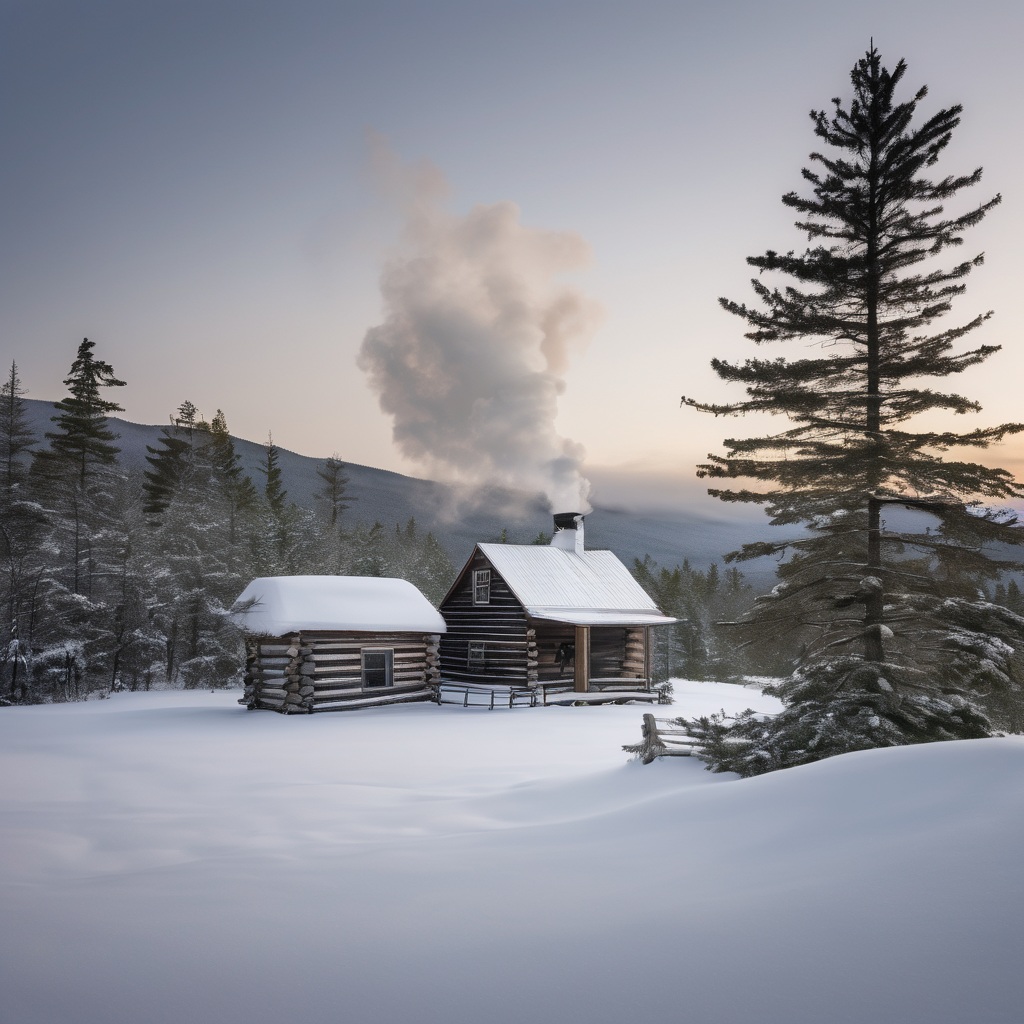
As the snow continues to accumulate, it serves as a reminder of the harsh winter conditions typical for this region, yet also offers an opportunity for winter activities and the beauty of a winter landscape amidst the challenges it poses.