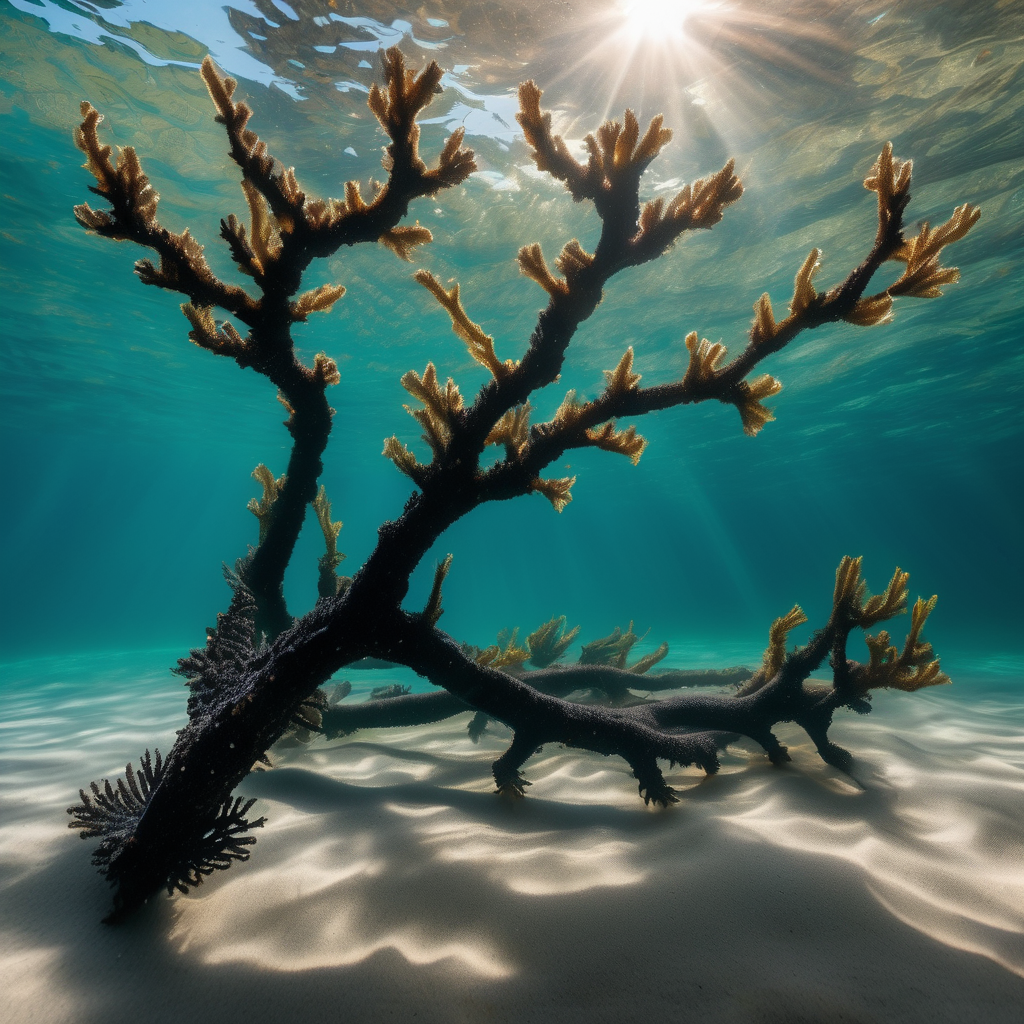
Marine scientists have made a remarkable discovery in the deep waters off New Zealand, locating an exceptionally large and ancient black coral species. This finding is a significant contribution to our understanding of long-lived deep-sea ecosystems and emphasizes the urgent need for conservation of these fragile ocean habitats.
The coral was uncovered during an exploratory dive in Fiordland, led by a scientific team from Victoria University of Wellington. Towering over 13 feet in height and nearly 15 feet in width, this black coral is estimated to be between 300 and 400 years old, making it the largest of its kind ever recorded in New Zealand waters.
Marine biologist James Bell noted the coral’s extraordinary size, especially in comparison to typical black corals, which are usually much smaller even when fully matured. Such ancient and massive corals serve as vital breeding reservoirs for slow-growing species. Their existence points to stable environmental conditions that have persisted over centuries and provides invaluable insights into the long-term health of ocean ecosystems.
The implications of this discovery extend to marine conservation efforts. Experts highlight the importance of identifying large coral colonies to prevent potential damage from activities such as anchoring, fishing gear, or seabed disturbances. This particular coral is protected under New Zealand’s Wildlife Act, rendering it illegal to collect or harm it. Interestingly, despite being known as black coral, it appears white due to living tissue, with its skeleton being the only part that’s black.
Black corals are known for their slow growth and can live for several centuries. They play a critical role in providing shelter and breeding grounds for various deep-sea species. Additionally, these corals have been historically valued in many cultures for jewellery and medicinal uses. Their longevity and vulnerability to disturbance further underscore the necessity of mapping and safeguarding these rare deep-sea ecosystems, ensuring their protection for future generations.
This discovery not only shines a light on the biodiversity present in the ocean but also reinforces the need for ongoing conservation efforts to protect these invaluable marine habitats.