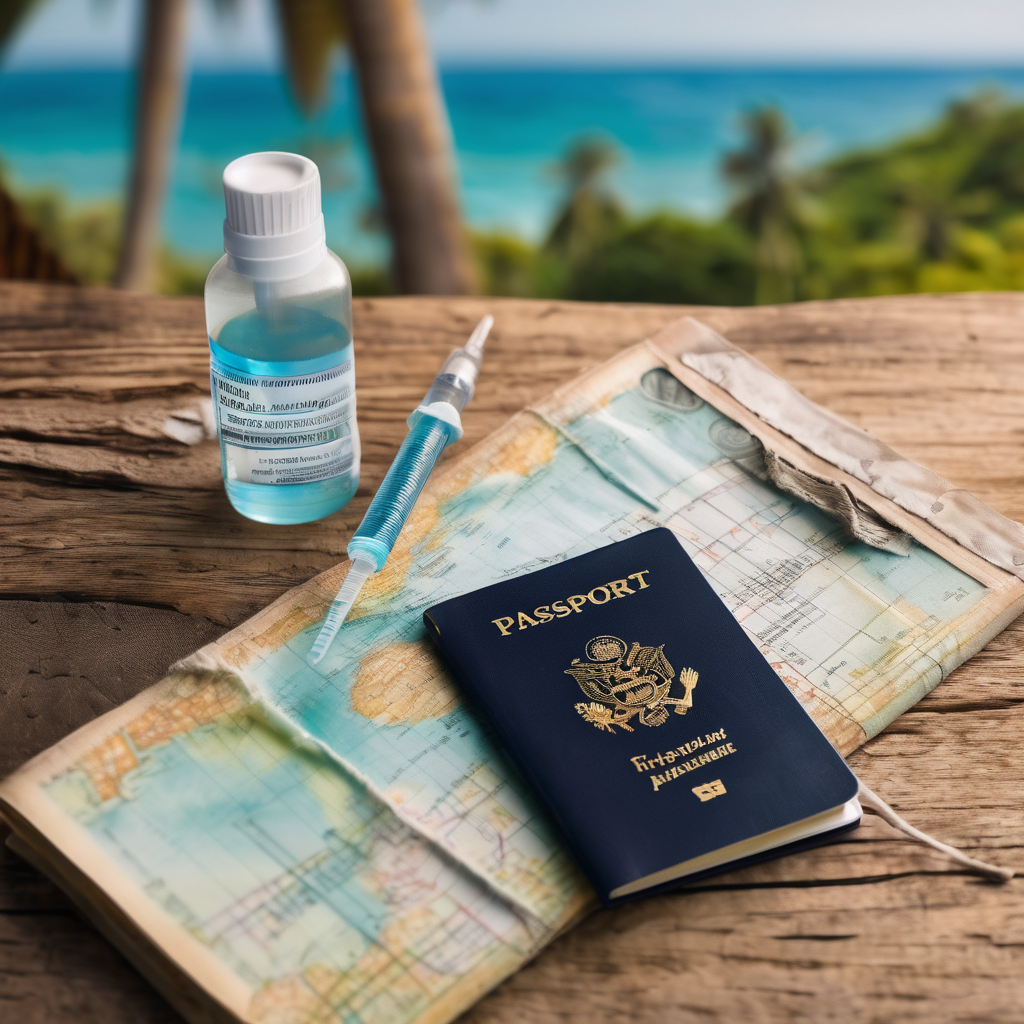
As Australia approaches its peak season for short-term travel abroad, health officials are emphasizing the critical need for pre-travel vaccinations. Although the excitement surrounding trip planning is palpable, many travelers, particularly those visiting friends and relatives, may inadvertently neglect the essential step of vaccination before departure. This group of travelers is often at a greater risk of illness since they typically spend more time at their destinations, visit rural areas, consume local food and water, and interact closely with local populations.
The threats posed by infectious diseases on a global scale remain significant, with risks varying widely depending on the travel destination. Elements such as tropical climates, water quality, sanitation standards, and the presence of disease-carrying animals or insects can heighten these risks. Furthermore, a global decline in vaccination rates, particularly among children and adults who may not have received essential vaccinations like the flu shot, adds to the urgency of the situation.
Falling ill while traveling can turn a dream trip into a nightmare, leading to anything from minor inconveniences to serious health emergencies that necessitate navigating unfamiliar healthcare systems. Therefore, it is vital for travelers to evaluate which vaccinations are prudent before embarking on their journeys.
Vaccines can be divided into three categories:
1. Routine Vaccines: These are recommended for everyone, regardless of travel plans, such as the measles and flu vaccines.
2. Destination-Specific Vaccines: These protect against diseases prevalent in specific regions, such as the typhoid vaccine for high-incidence areas.
3. Legally Required Vaccines: Some countries mandate certain vaccinations for entry, such as the yellow fever vaccine.
Measles, for example, is highly contagious and poses a significant risk, particularly in crowded settings such as airports and malls. Recent outbreaks have been linked to travelers returning from Southeast Asia. The recommended vaccination for measles is a two-dose series, and those unsure of their vaccination status should consult their health records or healthcare providers.
Influenza continues to be a frequent illness among travelers, with vaccine efficacy peaking for about three to four months. Therefore, individuals traveling to the Northern Hemisphere during its winter should consider getting vaccinated just before their trip.
Hepatitis A is another serious risk, transmitted through contaminated food or water and intimate contact with infected individuals. A two-dose vaccine, given six months apart, offers lifelong protection. Additionally, typhoid fever, primarily found in Asia and sub-Saharan Africa, can lead to severe health complications; vaccination is highly recommended, with options including an injectable form for those aged two and older and an oral version for individuals six and older.
For those heading to remote areas, rabies vaccination is critical, as it can be fatal following bites or scratches from infected animals without prompt treatment. Furthermore, vaccines for other mosquito-borne diseases, such as yellow fever and Japanese encephalitis, alongside cholera and mpox, may also be advisable based on travel itineraries.
Travelers are strongly encouraged to consult healthcare professionals—such as general practitioners or travel medicine specialists—to ascertain the necessary vaccinations tailored to their specific plans. Many vaccines can be obtained at pharmacies, which may incur some out-of-pocket costs; however, these expenses are modest compared to overall travel costs and can greatly mitigate health-related disruptions during the trip.
By prioritizing vaccinations, travelers can enjoy their journeys with greater peace of mind, knowing they have taken steps to protect their health and well-being.