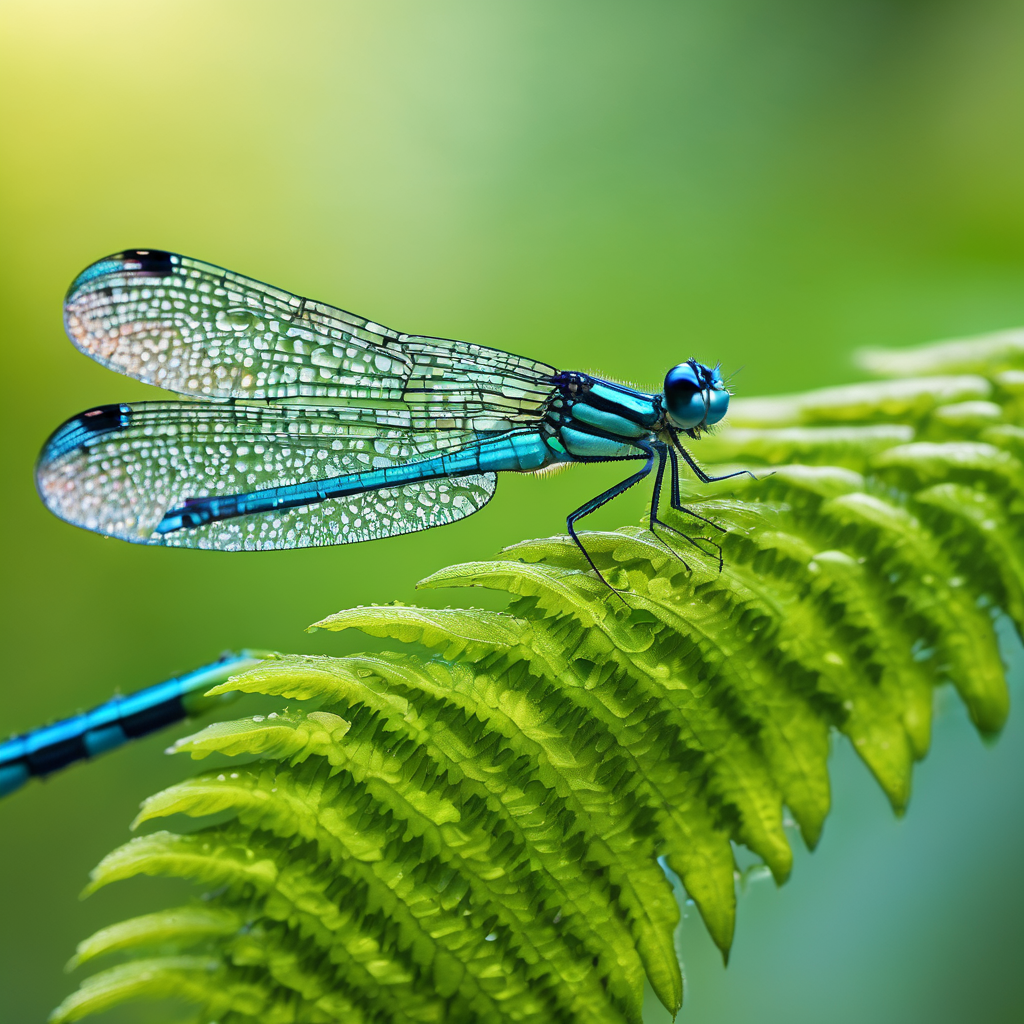
A PhD scholar at The University of the South Pacific (USP), Bindiya Rashni, has achieved remarkable advancements in Pacific freshwater ecology, notably through her co-authorship in the identification and documentation of eight new endemic damselfly species and the establishment of a new genus specific to Fiji. The genus, named Nikoulabasis, gained official recognition in 2023, thanks to collaborative research done by the South Pacific Odonata Group. This new genus has six described species discovered across various islands, including Kadavu, Moala, Koro, Vanua Levu, and Viti Levu.
Rashni’s research is a significant component of her PhD journey and contributes extensively to scientific literature in the region. She is recognized as a national expert within the IUCN Species Survival Commission Dragonfly Specialist Group. Initially, the endemic damselfly genus Nesobasis comprised 16 species, making it the second most diverse island endemic damselfly group globally, trailing only Hawai‘i’s Megalagrion. By the conclusion of her research, the species count within Nesobasis rose to 30, with Rashni describing four new species—thus making it the most diverse island endemic damselfly genus in any oceanic island system.
Based at USP’s Laucala Campus, Rashni is nearing the completion of her PhD in Biology, specializing in Hydrobiology. She has also obtained a Bachelor of Marine Science and a Master of Marine Science with a focus on Freshwater Ecology from USP. As the Pacific’s first female freshwater scientist, she emphasizes the significance of community stewardship of wetlands, advocating for educational initiatives aimed at teaching children about their natural surroundings.
In 2025, Rashni received the Peter Gänßler Award, which provided her with essential financial support and mentorship for her research. Her work has been further bolstered by collaborations with international institutions, including Stanford University and the Universidade de Vigo, along with backing from Conservation International Fiji.
Her research interests span small island freshwater biodiversity, environmental impact assessments, biomonitoring, and climate resilience for river communities. She also integrates indigenous ecological knowledge into conservation practices. Noticing a gap in river science education in Fiji, Rashni launched the River Citizen Science Toolkits to provide students and local communities with accessible and affordable resources for engaging in freshwater monitoring and conservation efforts.
As the world prepares for World Wetlands Day 2026, which will focus on Wetlands and Traditional Knowledge, Rashni highlights the essential role wetlands play in supporting Pacific island communities. She asserts, “Wetlands are the lifeblood of our islands; they filter our water, protect us from floods, and sustain biodiversity that exists nowhere else on Earth.” Rashni stressed the importance of protecting these ecosystems in the face of increasing climate pressures, deeming it vital for ensuring food security and preserving cultural heritage for future generations.
Looking ahead, Rashni aims to establish a Pacific Rivers Institute dedicated to freshwater research, education, and community involvement throughout the region. She encourages aspiring students who wish to engage in pioneering research or address national and regional priorities to consider joining The University of the South Pacific in Semester 1, 2026. Interested individuals can find more information regarding program requirements and applications on the university’s official website.