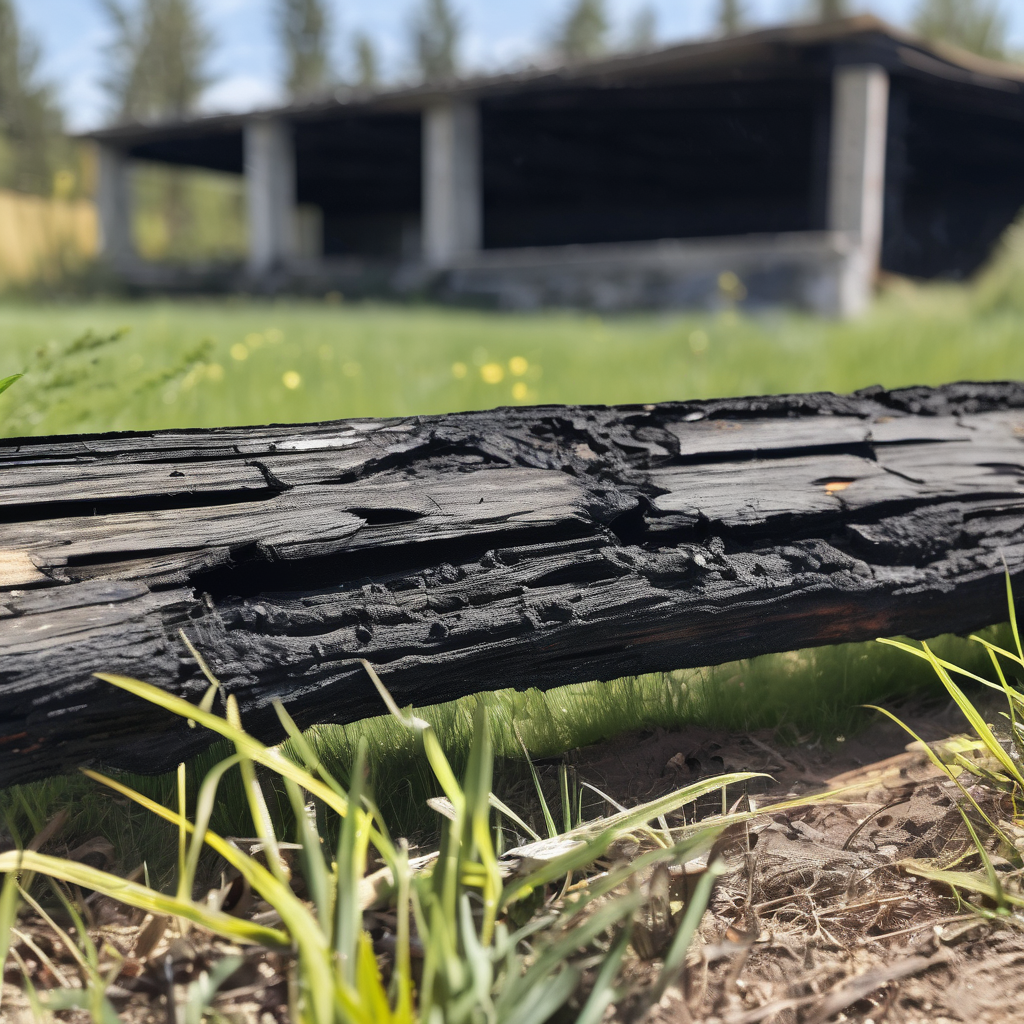
The rebuilding effort in Los Angeles following last year’s devastating wildfires has revealed stark challenges and slow progress. According to the Associated Press, despite the destruction of approximately 13,000 homes, fewer than a dozen have been rebuilt one year later. This staggering statistic highlights the impact of both the wildfires, exacerbated by hurricane-strength Santa Ana winds, and the existing housing crisis in the area.
Tomiquia Moss, secretary of the California Business, Consumer Services, and Housing Agency, noted that residents were already grappling with a tough rental housing market before the wildfires forced thousands from their homes. Research from Up for Growth indicates California is short by around 840,000 homes, with the Los Angeles region needing about 340,000 additional residences. The recent Palisades and Eaton fires alone displaced around 100,000 people, engulfing neighborhoods in mere hours.
Political pressure for a swift rebuilding process is mounting, highlighting the immense stakes—tens of thousands of lives and billions of dollars are at risk. State and local officials have signed orders to expedite the permitting process and waive environmental reviews to aid reconstruction efforts. Despite these efforts, the pace of recovery remains disheartening. After the Camp Fire in Northern California in 2018, for instance, only 385 rebuilding permits were issued a year later. Currently, of the 6,191 rebuilding permit applications received in the aftermath of last year’s fires, only 2,617 have been approved, and roughly 900 homes are under construction.
Experts emphasize that this slow recovery serves as a cautionary tale for a state increasingly vulnerable to wildfires, driven by climate change and urban encroachment on fire-prone areas. Minjee Kim, an assistant professor of urban planning at UCLA, asserts that the current system is not equipped for extensive rebuilding and recovery efforts, indicating a need for significant policy reform.
The timeline for rebuilding homes in the Los Angeles area remains prolonged, with construction typically taking longer than the national average and further complicated by the aftermath of wildfires. Cleanup is a particularly protracted process due to the hazardous debris left in the wake of the fires, which contaminates the environment and complicates permit acquisition.
Further hindering the recovery are supply shortages and rising material costs, fueled by policy measures enacted during the Trump administration. Federal immigration raids have also impacted the availability of construction labor, particularly among undocumented workers, leading to intensified struggles as more homeowners seek to rebuild simultaneously.
Amid these challenges, there was initial hope that the fires of 2025 could prompt innovative community strategies for mitigating fire risks, enhancing building standards, and adapting to a hotter, drier climate. However, the immediate focus has shifted largely toward rapid reconstruction as concerns of a housing deficit persist. While quick fixes are critical, experts argue that lasting community resilience will require comprehensive efforts that address the root causes of wildfire risks and align housing needs with sustainable development strategies.
In navigating the aftermath of these wildfires, the need for a balanced approach that prioritizes both rapid recovery and long-term safety in development is more crucial than ever.