In a significant shift in U.S.-Venezuela relations, Secretary of State Marco Rubio testified before the Senate Foreign Relations Committee on January 28, revealing insights into the Trump administration’s recent actions regarding the South American nation. The hearing followed the surprising capture of Venezuelan President Nicolás Maduro on January 3, which Rubio described as a necessary step after the Maduro administration’s failure to engage in meaningful negotiations.
Rubio characterized Maduro as a major “impediment to progress,” asserting that the Venezuelan leader had consistently broken agreements, leading to a point where “not even the Vatican” wished to negotiate with him. The Secretary of State indicated that Maduro sought to delay any substantive dealings with the U.S. in hopes of a change in administration that could potentially favor his regime.
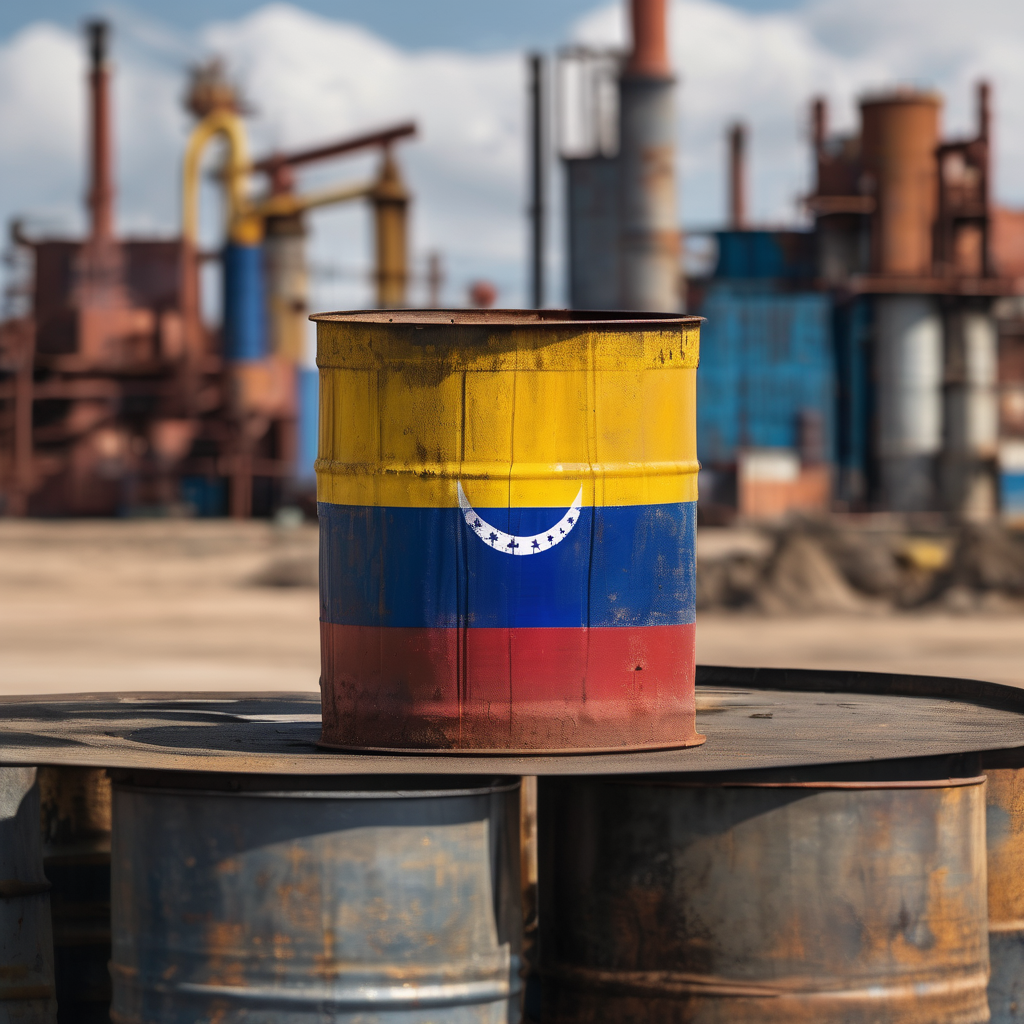
In the wake of Maduro’s removal, the Trump administration has proposed a $2 billion deal to facilitate the sale of Venezuelan oil to bolster the country’s economy. Delcy Rodríguez, who stepped in as the interim leader following Maduro’s capture, has begun implementing legal reforms to align with U.S. plans for the oil sector. Nonetheless, her recent comments reflect a growing tension, as she publicly criticized U.S. influence over Venezuelan politics, declaring, “Enough already of Washington’s orders to politicians in Venezuela.”
Despite this friction, Rubio described the communication between Rodríguez and the U.S. as “respectful and productive.” However, he emphasized that the administration would base its judgment on actions rather than rhetoric. The ongoing assessment of Rodríguez’s commitment to cooperate emerged during questioning from Sen. Jeanne Shaheen, a top Democrat, who expressed concern that the administration may merely have exchanged one authoritarian figure for another, suggesting that Rodríguez’s cooperation could be temporary and tactical rather than genuine.
Further complicating U.S. confidence in Rodríguez’s administration, recent intelligence reports have raised questions regarding her reliability. While Trump praised Rodríguez’s leadership as “terrific” and noted her meeting with CIA Director John Ratcliffe, the implications of continued U.S. intelligence presence in Venezuela suggest a cautious approach moving forward.
As the situation unfolds, the engagement between the United States and the new Venezuelan leadership will be watched closely, with the potential for both challenges and opportunities as economic recovery efforts continue.