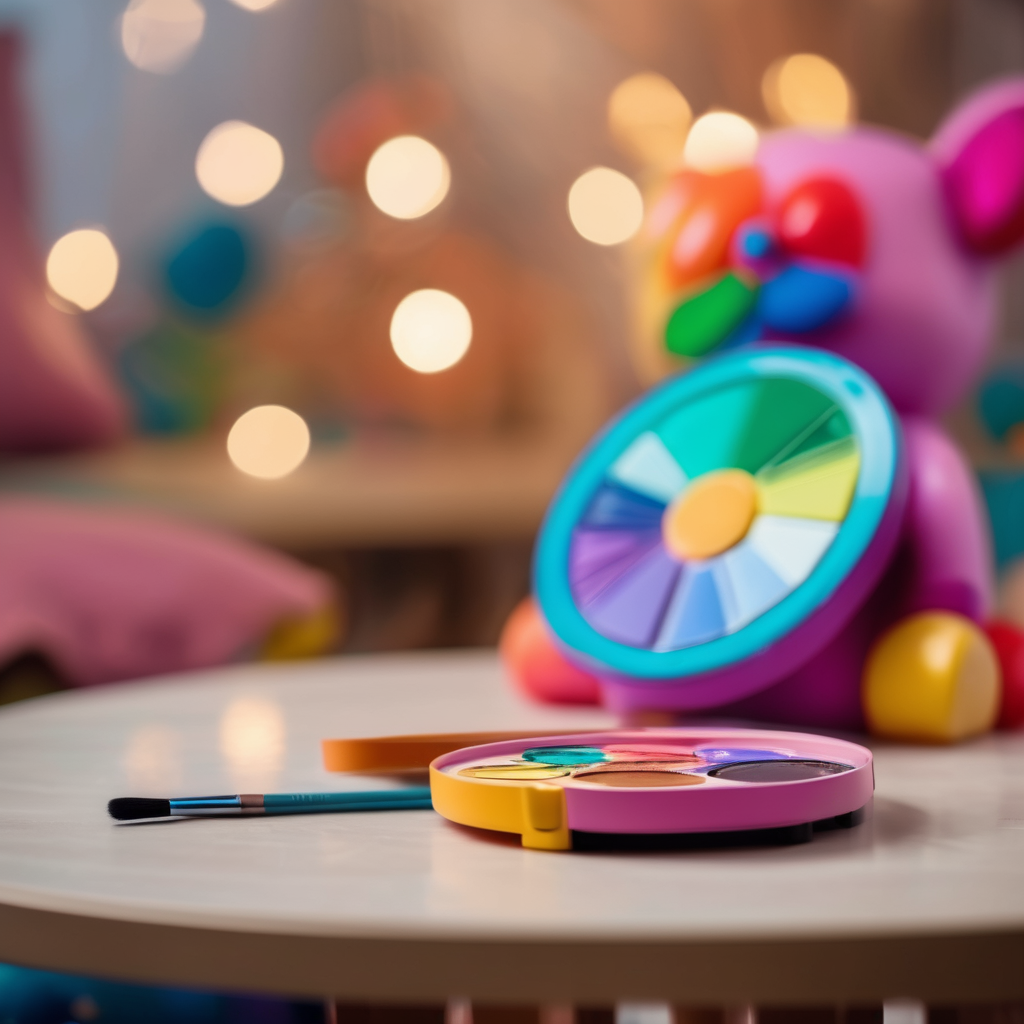
In New Jersey, a growing number of parents are navigating unexpected conversations about makeup with their young children, some as young as six. Many of these discussions stem from children’s exposure to online beauty tutorials and influencer culture, which have sparked desires for makeup kits and beauty products among the youngest consumers.
One mother from North Jersey recounted how her first-grader requested a makeup kit after seeing other girls using cosmetics. “She said all the girls are doing it,” the mother expressed, emphasizing the surprising influence of social media on such young children. This phenomenon is being observed statewide, with parents reporting that children increasingly focus on their physical appearance, largely fueled by marketing strategies that blur the lines between toys and cosmetics.
The beauty industry has taken heed of this trend, introducing vibrant product lines marketed toward younger audiences that resemble playsets but serve as actual cosmetics. However, critics argue that this branding often perpetuates values centered around physical appearance during formative years, potentially setting a troubling precedent.
The rise of Generation Alpha—children born after 2010—has prompted major cosmetic brands to adapt their strategies to appeal to this emerging consumer demographic. Many of these children are fiercely engaged with social media platforms, where influencers often showcase extensive skincare and makeup routines. Experts indicate that this early attachment to appearance can lead to self-worth issues and reflect broader societal concerns about body image.
Pediatricians and child psychologists in New Jersey caution against the ramifications of early exposure to appearance-focused content. They warn that equating beauty with self-worth can have lasting emotional impacts, especially as children assimilate ideals shaped by curated online images, which bear little resemblance to reality. Parents are left grappling with how to instill a healthy self-image in their children while accommodating their requests for cosmetics.
Experts suggest establishing a balance, with some parents allowing light makeup for special occasions, while others set firm limits around cosmetic use and screen time. One father described his approach as protective of childhood, demonstrating the delicate line parents must walk in this new era. Meanwhile, reactions from young girls comparing themselves to influencers have led parents to reconsider their children’s digital consumption and the messages they receive.
Occasional play with makeup can be harmless, but the concern arises when children tie their self-worth to appearance, leading to anxiety and feelings of inadequacy. Research has correlated early body dissatisfaction with long-term issues, including depression and eating disorders. To combat this, specialists recommend fostering an understanding of advertising, encouraging activities that are not appearance-based, and emphasizing self-worth that stems from personal character and talents.
As a reporter focused on youth and community issues across New Jersey, the rapid cultural shift towards cosmetic awareness among young children has become evident. The evolving landscape raises critical questions for parents about protecting childhood and fostering a healthy development of identity among the youngest members of society. While makeup itself may not be inherently negative, the challenge lies in addressing the motivations behind its use and the potential emotional toll on children just beginning to understand their place in the world.