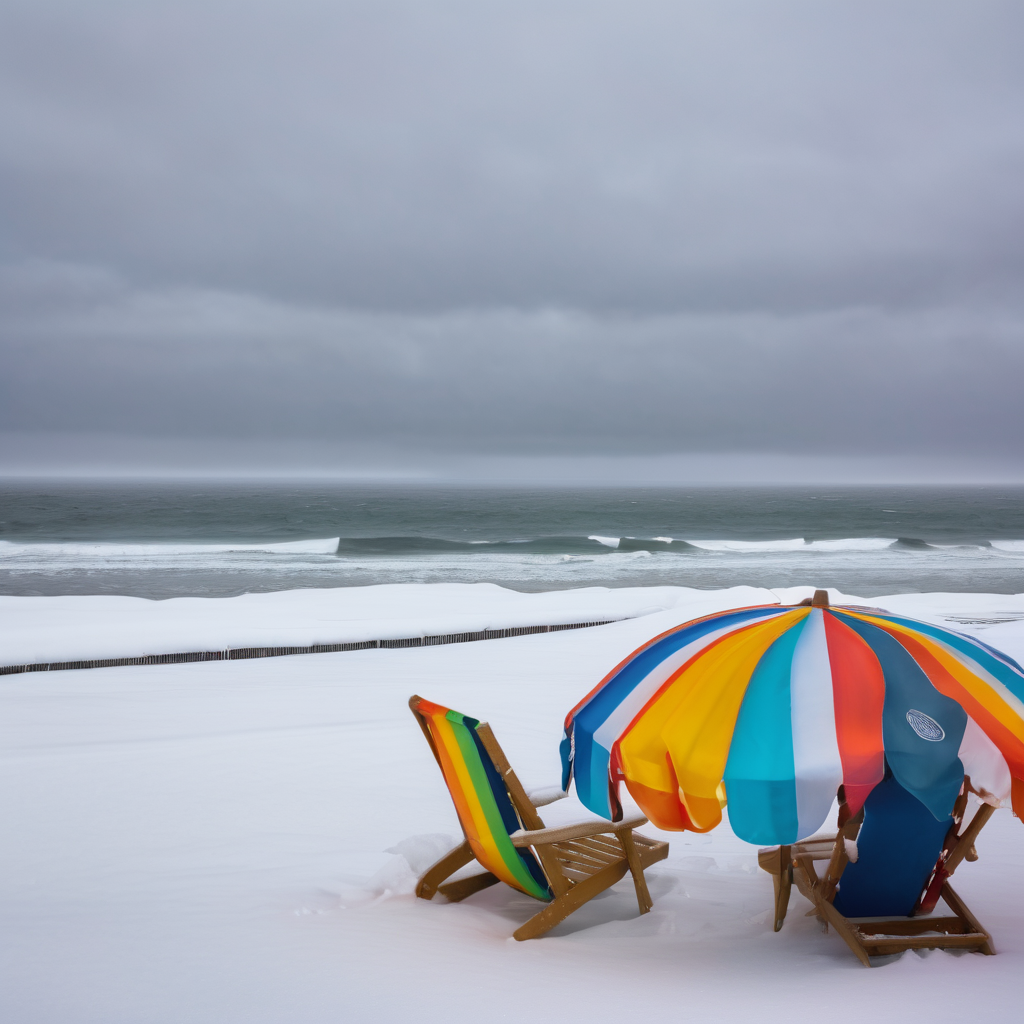
Winter weather has led to a significant change in plans for the Myrtle Beach Polar Plunge, an event that encourages community engagement while supporting Special Olympics athletes. Due to a developing winter storm system threatening the Grand Strand and Pee Dee areas with heavy snowfall, record low temperatures, and dangerous wind chills, the Polar Plunge at Sands Ocean Club Resort has canceled all live activities.
The decision to halt in-person events highlights a proactive approach to ensuring safety in light of harsh weather conditions. Local officials have issued both a Winter Storm Warning and an Extreme Cold Warning to prioritize public safety amid escalating risks. Although many attendees are disappointed by the cancellations, organizers are shifting to virtual events, showcasing the resilience and creativity typical of community initiatives.
This cancellation reflects broader trends, as extreme weather disrupts traditional events across the United States. Communities from the Pacific Northwest to the Northeast are increasingly faced with the need to adapt to unpredictable weather patterns, largely influenced by climate change. The Myrtle Beach Polar Plunge illustrates how weather can dramatically affect not only local traditions but also local economies, a pattern echoed in countries like Canada and Australia where winter storms have interfered with scheduled celebrations.
Looking forward, several trends may emerge from this year’s experience. A significant increase in virtual participation is anticipated, indicating a shift toward sustainable fundraising models. Future events are likely to include enhanced safety protocols and contingency plans to adapt to adverse weather without sacrificing community engagement. Additionally, there may be a growing awareness of climate issues, leading to discussions about how to build resilient community events capable of withstanding such disruptions.
The cancellation of live activities for the Myrtle Beach Polar Plunge serves as a reminder of the importance of adaptability and unity within communities, especially in the face of increasingly erratic weather patterns. As participants and organizers look toward a future that embraces virtual engagement and climate resilience, the spirit of community support for Special Olympics athletes remains steadfast.