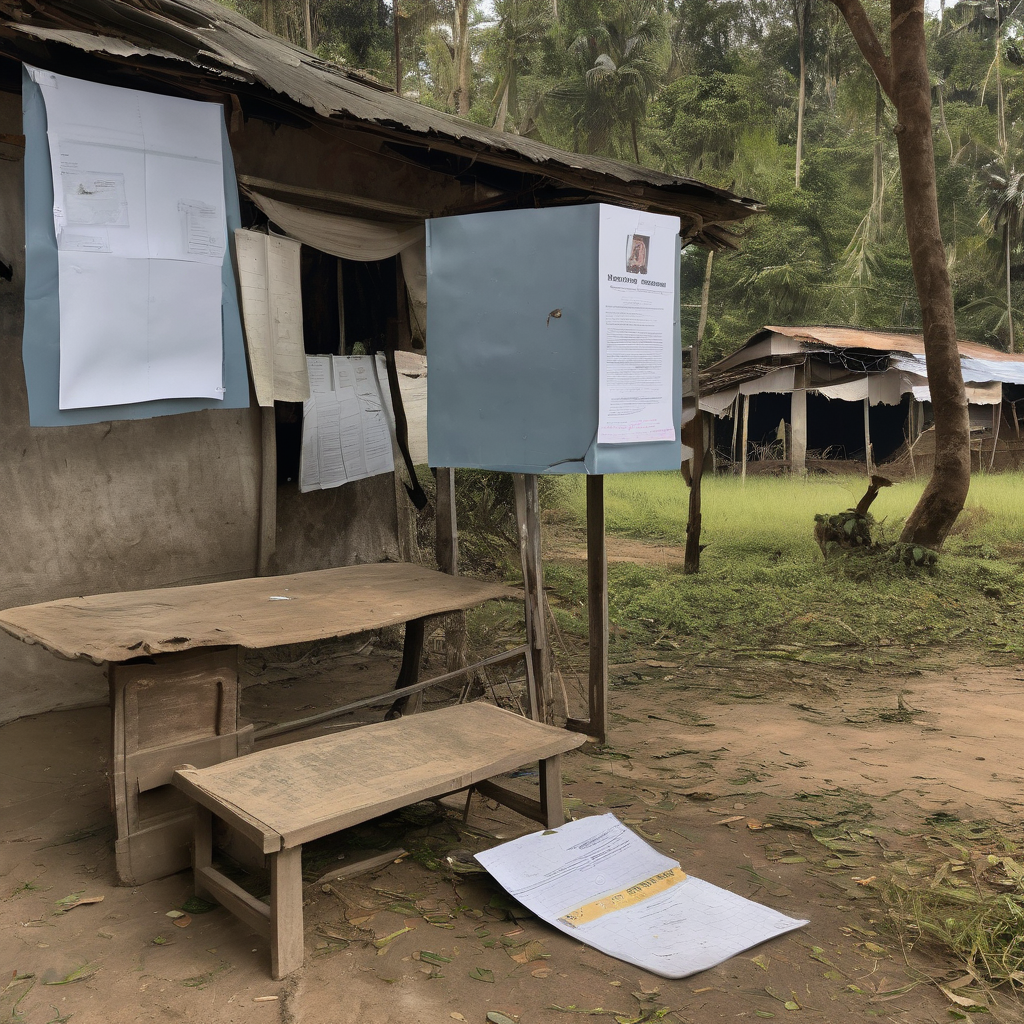
Myanmar’s military-led government is currently conducting a phased general election amidst an ongoing civil war that affects significant regions of the country. The elections come in the wake of a coup in February 2021, when the military overthrew the democratically elected government led by Aung San Suu Kyi and her National League for Democracy (NLD) party, which had overwhelmingly won the previous year’s election. The military justified the coup by alleging electoral fraud, a claim refuted by international monitors who found no evidence to support such allegations.
Most political analysts view this election as an attempt by the military to solidify its power through proxy parties, given the lack of a viable democratic opposition. The election, initially promised by August 2023, was delayed due to the military’s loss of territory to anti-junta forces. As a result, the NLD and numerous other opposition parties have been dissolved, leaving the electoral landscape dominated by military-approved parties.
The elections are being conducted in three phases, occurring on December 28, January 11, and January 25, across 265 out of 330 townships, notably excluding regions where the junta does not exercise full control. This limited scope indicates the direct influence of ongoing conflict on the electoral process, which is not representative of the entire country.
Currently, only six parties are competing nationally, with a total of 51 participating at regional or state levels. The primary contender is the Union Solidarity and Development Party (USDP), which is largely composed of former military generals and won many seats in the early rounds of voting, establishing a significant foothold in the parliament. Preliminary results indicate a voter turnout of 52.13% in the first round, a notable decline compared to past elections.
Future governmental structures are being shaped by the military-drafted constitution, which reserves 25% of legislative seats for military officials. The election results will directly influence the selection of the president through a three-tier electoral college system that includes military-appointed lawmakers.
Despite the military’s claims of a successful electoral process aimed at restoring democracy, the international community largely deems the election a sham, lacking in credibility and free opposition participation. ASEAN has called for a fair and inclusive electoral process, confronting the junta’s attempts to gain legitimacy. Nonetheless, there has been support for the election from allies such as China, Russia, and India. In light of these complexities, the outcome of this election will be pivotal in determining the future political landscape of Myanmar.