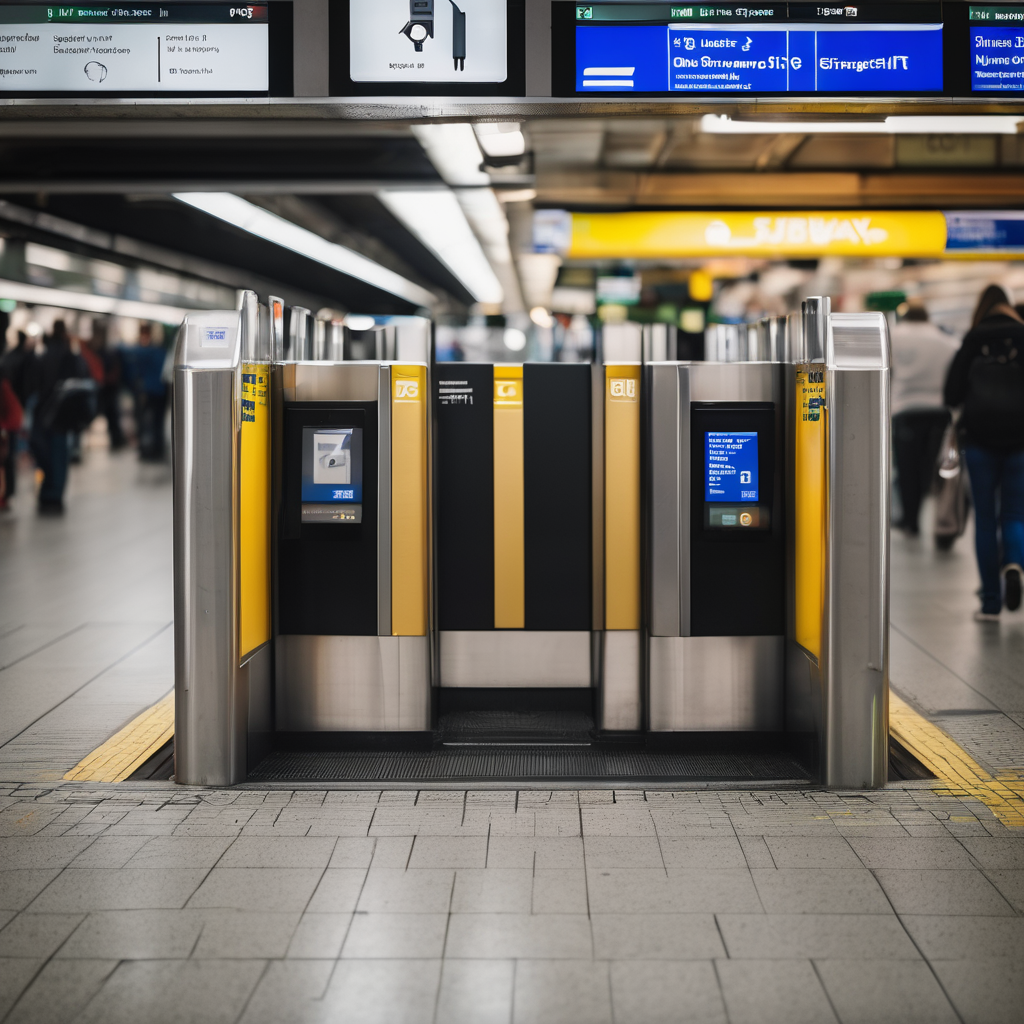
Commuters in New York City are finding inventive tactics to avoid paying subway fares despite the Metropolitan Transportation Authority’s (MTA) latest initiatives to combat fare evasion. The MTA recently introduced a high-tech solution at two subway stations: Broadway-Lafayette Street in Manhattan and Third Avenue-138th Street in the Bronx. The new gates feature clear doors that open only after payment has been confirmed. In instances where fare evasion is attempted, a loud foghorn-like alarm activates to alert authorities and other travelers.
During a press conference on December 19, Jamie Torres-Springer, president of MTA’s construction and development, highlighted the gates’ advanced features, which include smart technology and AI sensors capable of recognizing various items such as luggage and wheelchairs, allowing passengers ample time to pass through.
However, these measures have yet to fully deter those intent on skipping the fare. An amNewYork reporter recently observed fare evaders at the Broadway-Lafayette station employing various tactics, from crawling beneath the gates to climbing over them, with no immediate intervention from MTA staff.
The MTA plans to install these modern gates at 20 additional stations in the upcoming weeks, part of a broader effort to address the substantial financial losses due to fare evasion, which reached nearly $1 billion in 2024. As part of this initiative, the MTA has set aside approximately $1.2 billion from its capital budget to enhance the subway experience and ultimately minimize fare evasion across the system.
Quemuel Arroyo, the MTA’s chief accessibility officer, underscored the positive impact of the new gates, stating they would improve access for all riders, particularly those with disabilities or heavy items. He referenced the challenges previously posed by conventional turnstiles, emphasizing the necessity for more inclusive design solutions.
Despite the optimism surrounding these innovations, MTA officials acknowledge the complexities of completely eliminating fare evasion. Torres-Springer noted, “No system is going to be 100% immune to fare evasion,” but expressed confidence that the new technology significantly reduces it.
In addition to the new gates, the MTA continues to enhance security at subway stations through the installation of turnstile spikes and paddles. This traditional approach is being combined with modern technology to create a comprehensive strategy against fare evasion, with $7.3 million allocated for these updates. Thus far, nearly 2,900 spikes and paddles have been installed across 327 of the MTA’s 472 stations, demonstrating a determined effort to cultivate a more secure and fair transit experience for all riders.