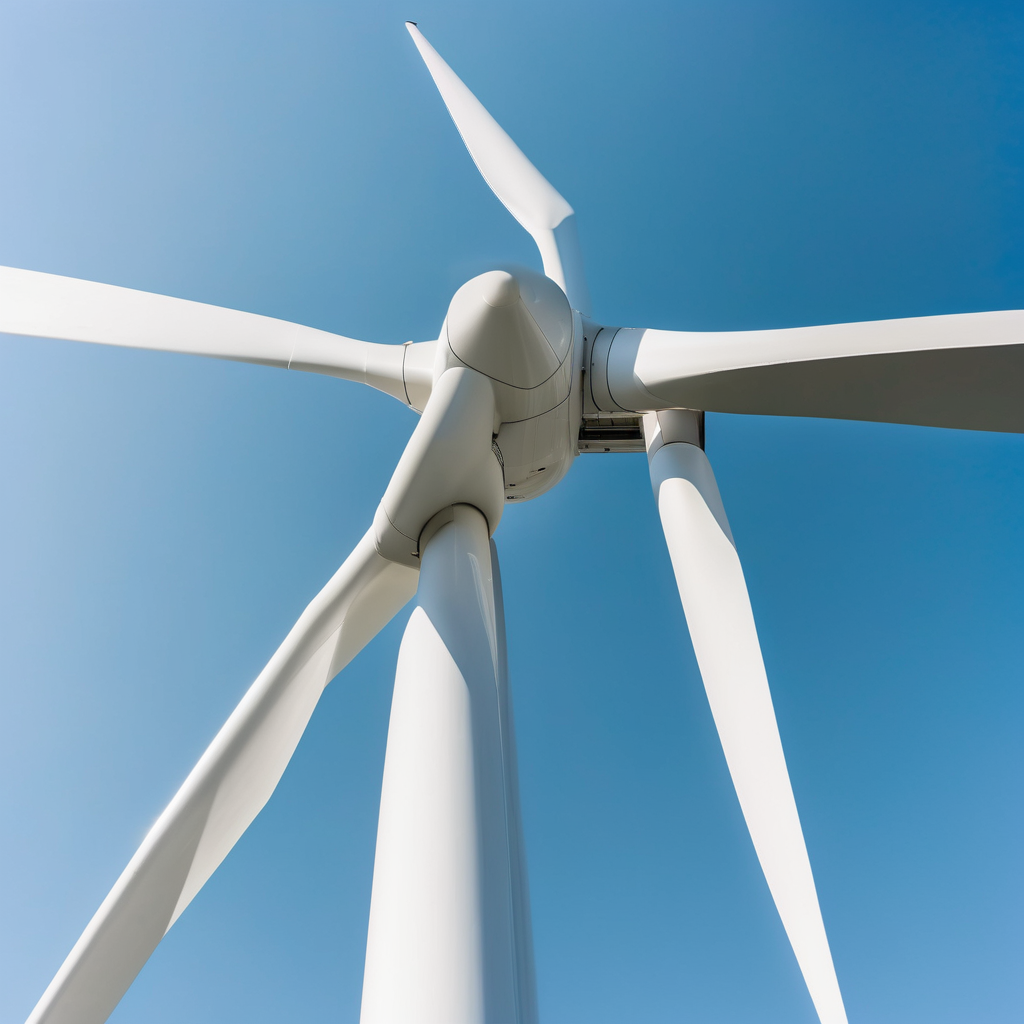
In 2026, Montenegro is poised to make significant strides in transforming its energy landscape, particularly with the upcoming expansion of the Gvozd 2 wind farm, which boasts a capacity of 75 MW. As European nations increasingly embrace wind power and renewable energy, Montenegro is eager to enhance its energy output through these sustainable sources, a shift that comes after challenges faced in the European energy sector.
The Electric Power Company of Montenegro (EPCG) has confirmed that all necessary components for the expansion of the Gvozd 2 wind farm have been successfully delivered, marking a crucial step forward for the project. This expansion aims not only to boost Montenegro’s renewable energy capabilities but also to establish the wind farm as the largest energy generation site in the country, bringing the total installed capacity to 75.6 MW. The three new wind turbines will generate an impressive 210 GWh annually, enough to provide clean energy to over 35,000 households.
The financing for this ambitious project has been secured through a new agreement, underscoring Montenegro’s commitment to advancing its renewable energy goals. A significant aspect of this project is its potential to reduce CO₂ emissions by approximately 137,000 tons each year. This move towards cleaner energy is further supported by the European Bank for Reconstruction and Development (EBRD), which provided a loan that represents a landmark investment for Montenegro in the renewable energy sector.
Remon Zakaria, EBRD Head of Montenegro, emphasized the importance of this partnership, stating that the Gvozd wind farm serves as a clear example of how flexible, long-term financing can enhance clean energy production while setting high standards in project execution. He noted the investment’s role in accelerating Montenegro’s green energy transition and strengthening energy security.
The Gvozd 2 wind farm expansion is significant not only for Montenegro but also as a part of a wider European movement towards renewable energy investment. It is noteworthy that this is the first project to receive extension financing while under construction, aligning with the EBRD’s green infrastructure goals in Europe.
EPCG’s Chief Executive Officer, Ivan Bulatovic, highlighted the project’s vital role in Montenegro’s economic development, describing it as a symbol of progress and a forward-looking vision for a sustainable future. As the energy sector in Europe continues to progress, Montenegro’s initiative to invest heavily in renewable resources could inspire other smaller nations to follow suit.
This development aligns with ongoing European efforts towards a clean energy transition, with other projects, such as the UK’s Dogger Bank in the North Sea, reaching significant milestones. As the shift away from fossil fuel dependence becomes more pronounced, the future of renewable energy in Europe looks promising, paving the way for a healthier planet.