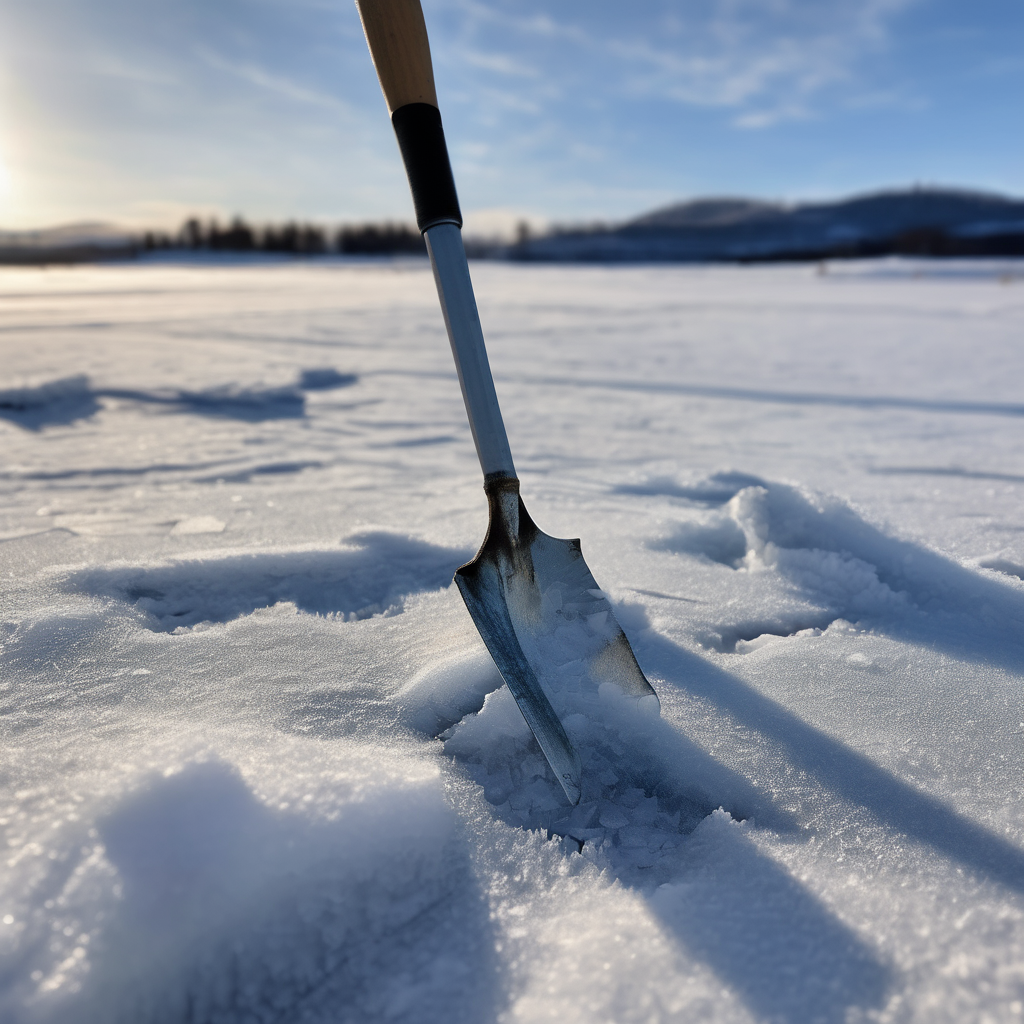
This weekend, residents might experience a startling “boom,” which could be attributed to frost quakes, a unique weather phenomenon that occurs when temperatures drop significantly and groundwater freezes rapidly. According to meteorologist Adam Douty of AccuWeather, during this process, as water freezes, it expands, exerting pressure on surrounding soil and rocks. If this expansion happens suddenly—such as when a pressurized rock cracks—it can produce a loud noise and a tremor similar to that of an earthquake.
Formally known as cyroseisms, these frost quakes are often confused with seismic activity due to their similar initial indicators. However, frost quakes are unrelated to tectonic plate movements, which are the cause of traditional earthquakes.
In Michigan, temperatures are expected to plunge below zero degrees Fahrenheit until Sunday, January 25, creating ideal conditions for frost quakes to occur. The Gaylord National Weather Service has warned that dangerously cold temperatures and wind chills are set to last through at least Saturday, marking it as potentially the coldest air of the season. Reports from early Friday indicated some areas in northern Michigan had air temperatures as low as 30 degrees below zero, prompting widespread winter weather and cold weather advisories highlighting wind chills reaching as low as minus 45 degrees.
Frost quakes are particularly common in regions like Alaska, Canada, the northeastern United States, and Iceland. They develop when water—whether from rain, snowmelt, or flooding—permeates the ground, saturating the soil. As Arctic air sweeps in, causing temperatures to plummet below freezing, the water in the ground freezes. Due to the unique crystalline structure of ice, it occupies more space than liquid water, leading to increased pressure. When this pressure becomes too great, it can cause the frozen soil to crack and shift, mimicking the movement seen during an earthquake. However, unlike seismic activity, which originates deep underground, frost quakes happen near the surface, making them distinct.
It’s important to note that frost quakes differ from ice quakes, which occur within glaciers or beneath lake ice. This weekend’s conditions in Michigan may heighten the likelihood of experiencing this intriguing weather occurrence, offering a curious, albeit unsettling, aspect of winter’s harshness.