The search for the wreckage of Malaysia Airlines Flight 370 will resume on Tuesday, marking more than a decade since the Boeing 777 vanished with 239 people aboard. This incident remains one of aviation’s greatest mysteries.
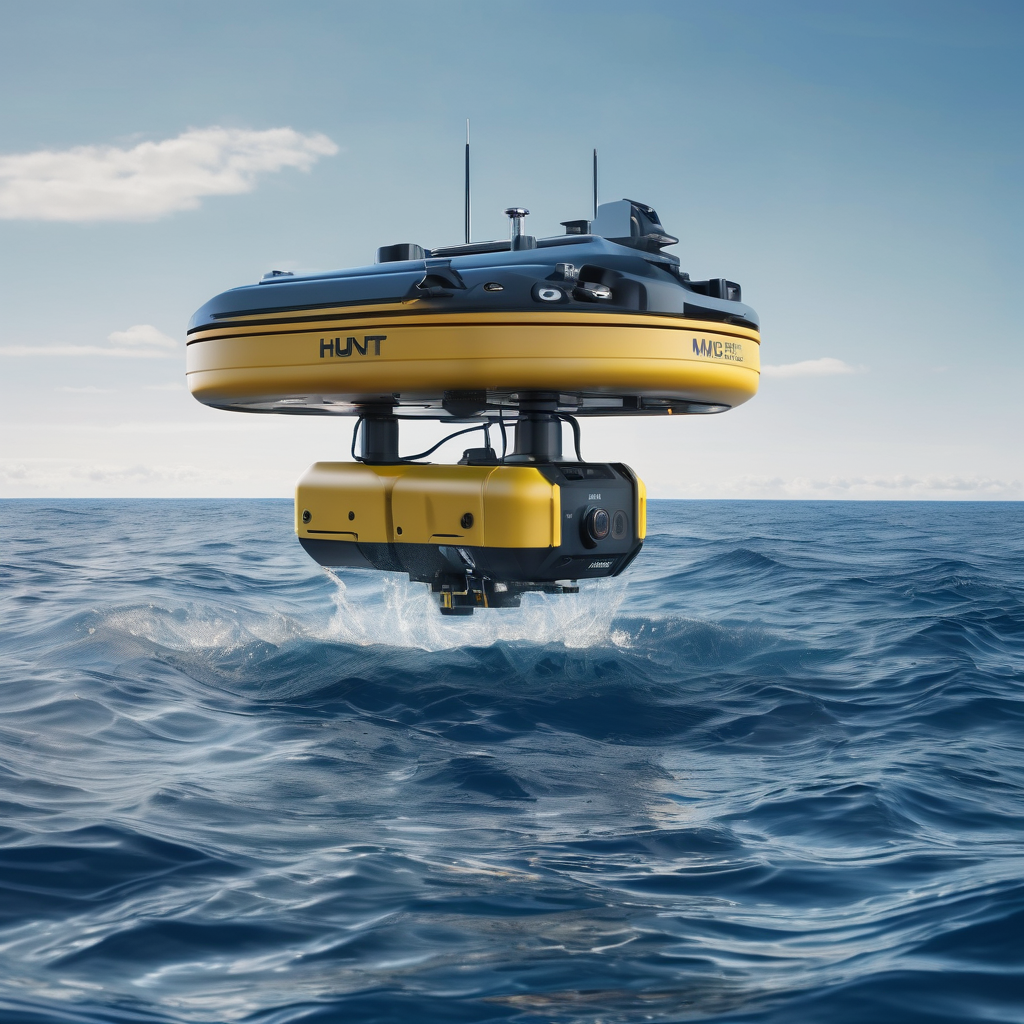
Under an agreement with the Malaysian government, the U.S. marine robotics company Ocean Infinity will conduct seabed search operations over the next 55 days. The initiative was confirmed by Malaysia’s Ministry of Transport, which stated that advanced underwater vehicles, deep-sea drones, and innovative scanning technologies will cover a 6,000-square-mile section of the Indian Ocean floor.
While it has not been disclosed whether Ocean Infinity has discovered new evidence pointing to the aircraft’s location, the renewed search brings a glimmer of hope to the families of those lost. Flight MH370 disappeared from radar less than an hour after departing Kuala Lumpur for Beijing on March 8, 2014. Significantly, two-thirds of the passengers were Chinese, and there were also Malaysians and Americans onboard.
The absence of a distress call or visible signs of trouble has led to theories and speculation after the plane’s transponder ceased transmitting following the pilot’s last communication. The initial search launched in 2014 by Australia, Malaysia, and China was the most extensive underwater investigation in aviation history, covering an area of approximately 46,000 square miles, akin to the size of Ohio. Unfortunately, that endeavor wrapped up in 2017 but yielded minimal findings.
In 2018, Ocean Infinity attempted a three-month search, promising a payment structure contingent on finding the wreckage—an arrangement that continues with the current search.
Lawsuits against Malaysia Airlines linger, and a recent Beijing court ruling ordered compensation for several Chinese families, illustrating the ongoing struggle for some form of closure.
Among the families, Jiang Hui, whose mother was on board the missing flight, expressed strong support for the renewed search. He remains positive that with efforts from the U.S. government and continued technological advancements, the plane’s mystery won’t endure much longer.
Professor Charitha Pattiaratchi from the University of Western Australia echoed this sentiment, stating he is optimistic about the potential to locate the wreckage. He noted that although searchers lack a specific target, the possibilities offered by modern technology provide significant hope.
The reinitiation of the search underscores a common sentiment: that closure for the families of Flight 370’s passengers remains a priority, and with continued efforts, answers may finally be within reach.