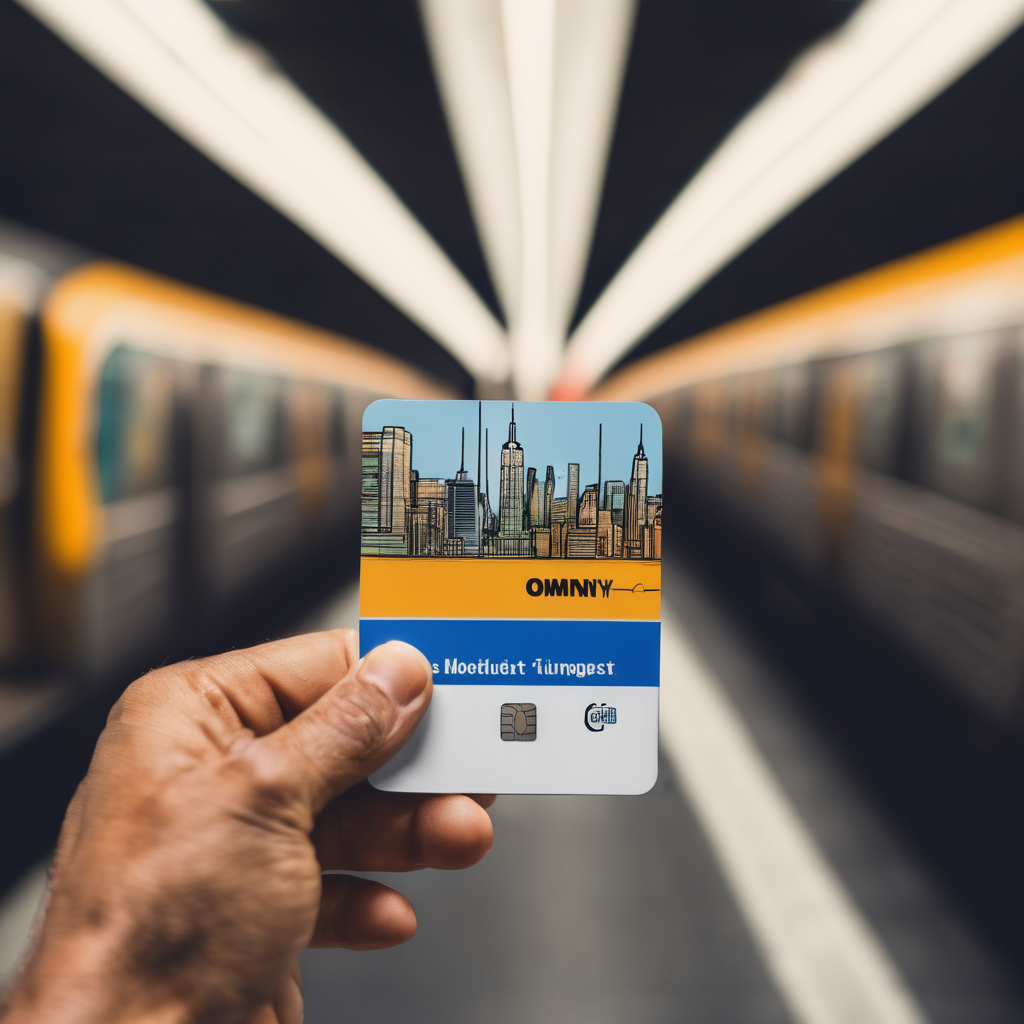
The iconic MetroCard, which replaced the traditional New York City subway token in 1994, is set to retire as the Metropolitan Transportation Authority (MTA) moves to a modern fare collection system. The last day to purchase or refill a MetroCard will be December 31, 2025, as the transit system embraces OMNY, a contactless payment method that allows riders to tap their credit card, smartphone, or smart device to pay their fares.
Introduced in 2019, the OMNY system has gained significant traction, with over 90% of subway and bus trips now utilizing this tap-and-go technology. This switch aligns New York City’s transit system with other major urban centers worldwide, such as London and Singapore, which have successfully adopted similar payment systems.
The MetroCard revolutionized commuting for New Yorkers, transforming how riders navigated the city’s transit landscape. Jodi Shapiro, a curator at the New York Transit Museum, notes that prior to MetroCards, commuters relied on subway tokens that were in use since 1953. The museum recently launched an exhibit celebrating the impact of the MetroCard, reflecting on its history and the cultural significance it held for New Yorkers over the years.
The transition to MetroCards represented a significant shift in public transportation practices, moving away from the traditional tokens that had been familiar for decades. The MTA had to educate the public on how to correctly use the MetroCards, facing early challenges such as error messages and lost fares. The MTA even considered introducing a quirky mascot, the Cardvaark, to aid in the transition but ultimately decided against it.
MetroCards also became a collector’s dream, with special editions commemorating significant events like the Subway Series of the New York Mets and Yankees in 2000. They featured artwork from famous musicians and cultural references that showcased New York City’s unique character.
While the MetroCard served as a badge of pride for skilled swipe artists, the transition to OMNY appears to be smoother and less complicated for users. Those still hesitant about contactless payments can opt for an OMNY card, similar to the MetroCard, which they can reload. Current MetroCards will continue to work until 2026, allowing riders to utilize their remaining balances.
The change is projected to save the MTA at least $20 million annually in MetroCard-related expenses and introduces new benefits, such as unlimited rides capped at $35 weekly, once fares increase to $3 in January. However, there are concerns over the new system, particularly related to data collection and surveillance practices surrounding contactless transactions.
As the transition unfolds, some longtime MetroCard users have expressed their nostalgia and concerns. Ronald Minor, a 70-year-old Manhattan commuter, lamented the loss of the MetroCard, stressing the challenges that new technology poses for older adults. Others, like John Sacchetti, voiced a willingness to adapt as they familiarize themselves with the new system, highlighting the inevitability of change.
In this shift, New Yorkers are presented with both challenges and opportunities as they navigate their way into a new era of public transportation. Embracing OMNY, the city can look forward to a more modern and efficient transit system that streamlines operations and enhances the commuting experience.