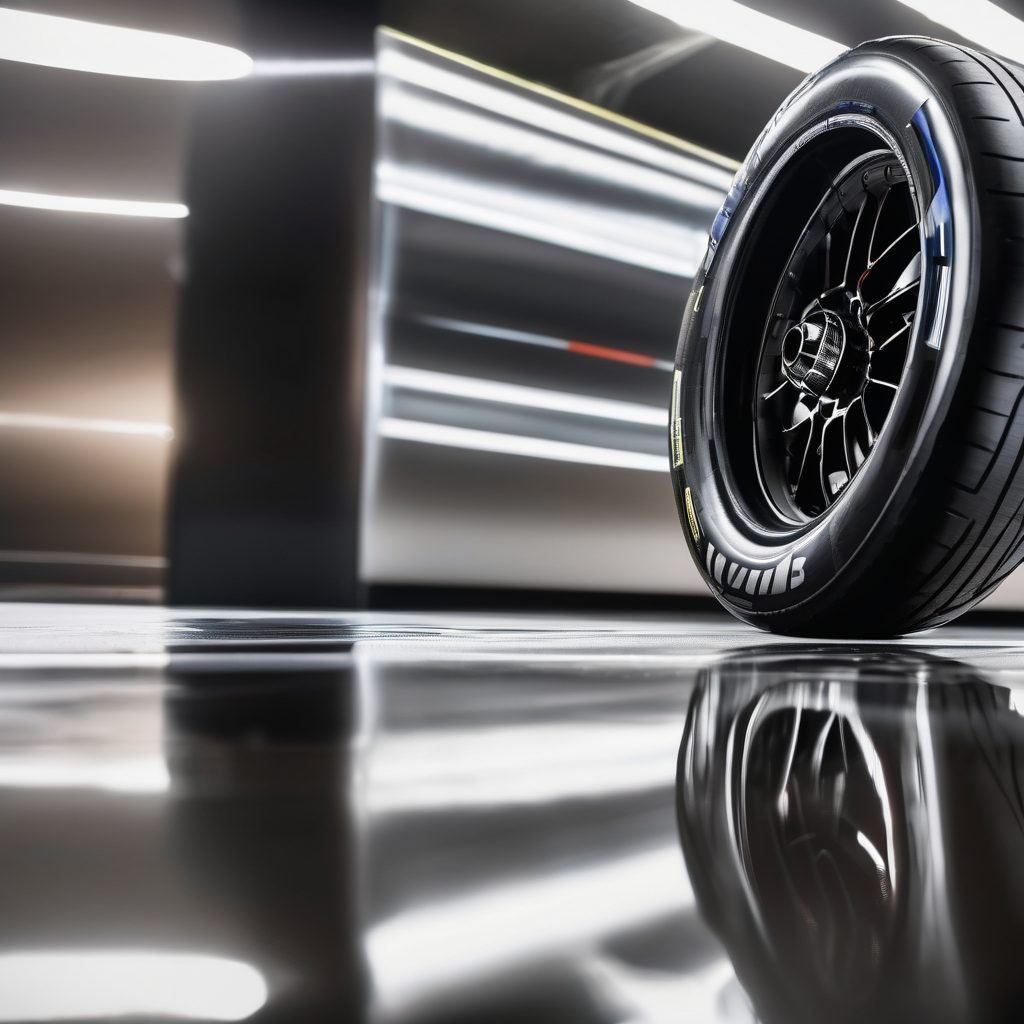
Toto Wolff, the head of Mercedes Formula One, has expressed the team’s readiness for unprecedented changes in the sport ahead of the 2026 season, as they unveiled their new car, the W17. Wolff noted that the upcoming regulations will necessitate innovation and a strong focus on performance across every aspect of design.
In a recent statement, Wolff said, “Formula One will undergo significant change in 2026, and we are prepared for that transition.” The unveiling of the W17 is a crucial milestone in this transformation, showcasing the collective efforts of their teams in Brixworth and Brackley.
Mercedes representatives highlighted that this redesign signifies the “biggest technical shake-up” in F1 history, with a completely new chassis, power unit, and fuel regulations. Notably, the W17 is smaller, narrower, and lighter than its predecessor, featuring advanced design elements such as active aerodynamics with movable front and rear wings. The car’s engine aims for a balanced output, producing almost equal power from electric and combustion sources while utilizing advanced sustainable fuels developed in partnership with PETRONAS.
The car’s new look includes a modern livery that emphasizes speed and reflects a distinctive evolution of identity, transitioning from iconic silver to a deep black with PETRONAS green accents. This visual overhaul is complemented by design details that incorporate the AMG-specific rhombus signature alongside the Mercedes three-pointed star on the engine cover.
With anticipation building around this year’s changes, Mercedes is set to launch a two-part introduction, with the design rendering revealed now and a digital season launch scheduled for February 2 on social media platforms. There’s a renewed sense of optimism within the team as they head into this new era.
The last major regulatory change in Formula One occurred in 2014, introducing the turbo-hybrid engines that led to Mercedes’ dominance, which lasted until the emergence of the ground-effect era with Red Bull Racing. Although Mercedes faced challenges from 2022 to 2025, finishing fourth in 2024 and second last year, the team responded positively in 2025, showing signs of a more balanced performance. Drivers George Russell and rookie Kimi Antonelli’s contributions were pivotal in navigating the competitive landscape.
The upcoming regulations will require teams to adapt significantly, with actual performance levels not expected to be clear until the preseason testing in Bahrain or the Australian Grand Prix in March. Interestingly, reports suggest that Mercedes and Red Bull may have identified a potential loophole in engine compression ratios that could enhance their competitive edge. A critical meeting is scheduled for Thursday with the FIA to explore this development further.
As the anticipation for the W17 builds, it embodies the blend of tradition and innovation that can propel Mercedes back into the championship conversation, fostering hope for a successful return to form in a transformative season.