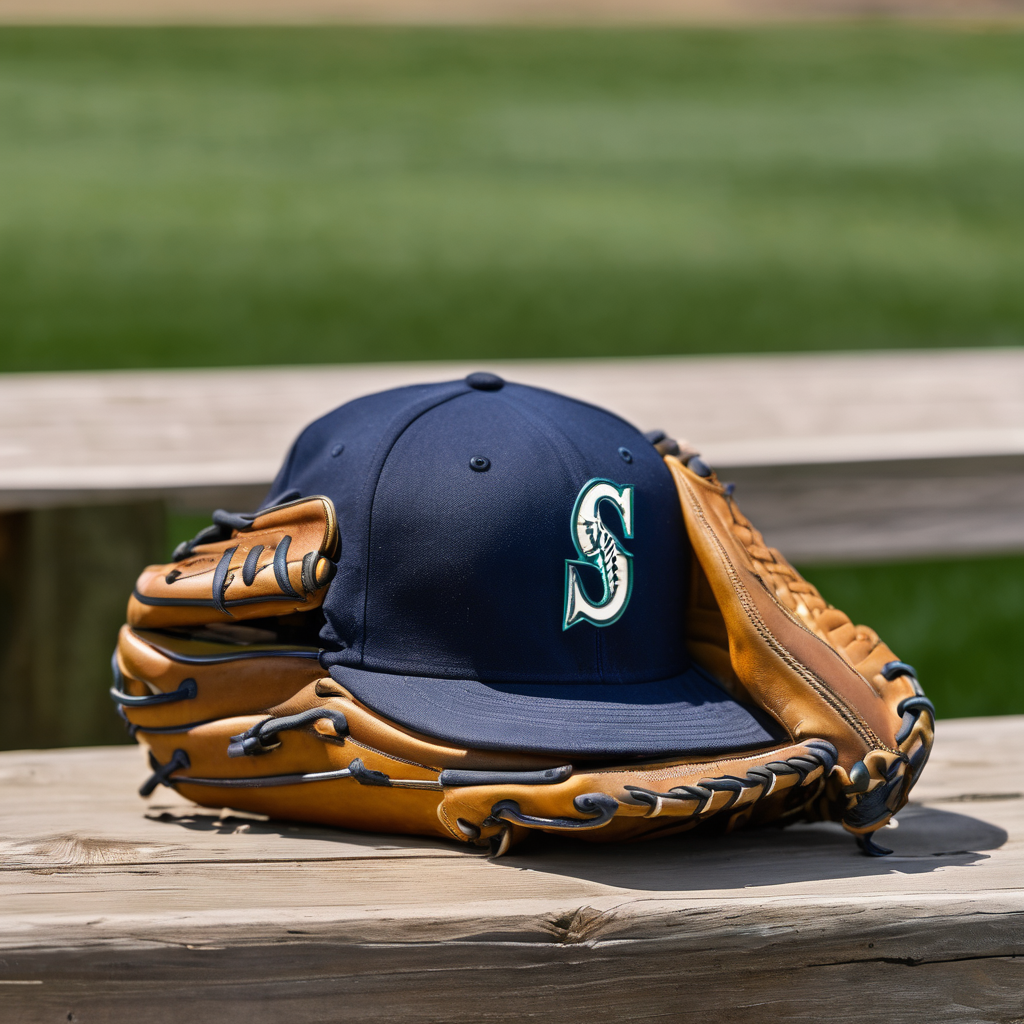
The Seattle Mariners are approaching the third base position with a fresh perspective, emphasizing development over immediate fixes as spring training draws near. Rather than pursuing external options to fill this crucial spot, the organization is fostering internal competition, showcasing a strategic shift towards prioritizing player fit and functional contributions.
Currently, two key players are vying for the role: Ben Williamson and Colt Emerson. This internal contest signifies a broader evolution within the Mariners’ decision-making framework. In previous seasons, third base was synonymous with power and run production. However, the Mariners’ recent philosophy indicates a willingness to explore diverse skill sets that may not conform to traditional expectations.
Williamson’s defensive skills have garnered respect within the organization, even during a rookie season where his offensive output was modest. His strong defensive capabilities—marked by range, instincts, and reliability—helped solidify the infield. The Mariners’ confidence in Williamson has grown, but the critical question remains: can he maintain a starting role if his offensive performance doesn’t improve significantly? Recent mechanical adjustments showed promise, as he began generating more lift and extra-base power, hinting at potential growth in his batting capabilities.
Conversely, Colt Emerson embodies the element of potential and excitement. Though his skill set has been traditionally associated with infielders, the Mariners are keen to test his adaptability at third base. Emerson’s notable increase in home runs—from four to sixteen in a season—has sparked discussions about his offensive potential. Spring training will provide him with vital opportunities to demonstrate how he handles higher-level pitching, evaluate his bat speed against various velocities, and assess his defensive reliability under pressure.
The Mariners seem to cherish the opportunity to evaluate both players in this competition. They seek to understand how each can enhance the team’s overall performance rather than simply fitting the conventional profile of a third baseman. Williamson’s dependable presence contrasts with Emerson’s raw potential, illustrating the dual paths the Mariners are examining without necessitating a hurried decision.
This patient approach could yield valuable insights, revealing not only the immediate fit at third base but also guiding future organizational strategies. By allowing this rigorous internal competition to unfold, the Mariners may ultimately discover more about their lineup’s potential than they could through any external acquisitions. The outlook appears promising for Seattle as they navigate this pivotal moment in their roster development, aiming to cultivate talent and drive toward the future.