Nobel Peace Prize laureate Maria Corina Machado made a late arrival in Oslo on Thursday night, following her absence from the award ceremony earlier in the day due to her struggle to escape Venezuela under a long-standing travel ban. The 58-year-old engineer had managed to flee her home country, where she had spent over a year in hiding, risking her safety in a bid to receive the prestigious award.
Joergen Watne Frydnes, head of the Nobel committee, confirmed Machado’s arrival to a gathering in the Grand Hotel’s lobby, announcing that she would first reunite with her family before making public appearances. In her absence, her daughter, Ana Corina Sosa Machado, accepted the Nobel Prize on her behalf and delivered an emotional speech conveying her mother’s message about the necessity of fighting for democracy.
Machado emphasized that the honor is vital not just for Venezuela but for the entire world, stating, “It reminds the world that democracy is essential to peace,” as her daughter spoke on stage, visibly moved by the occasion. She urged that the challenges faced by Venezuelans offer a significant lesson: to obtain democracy, one must be prepared to fight for freedom continually.
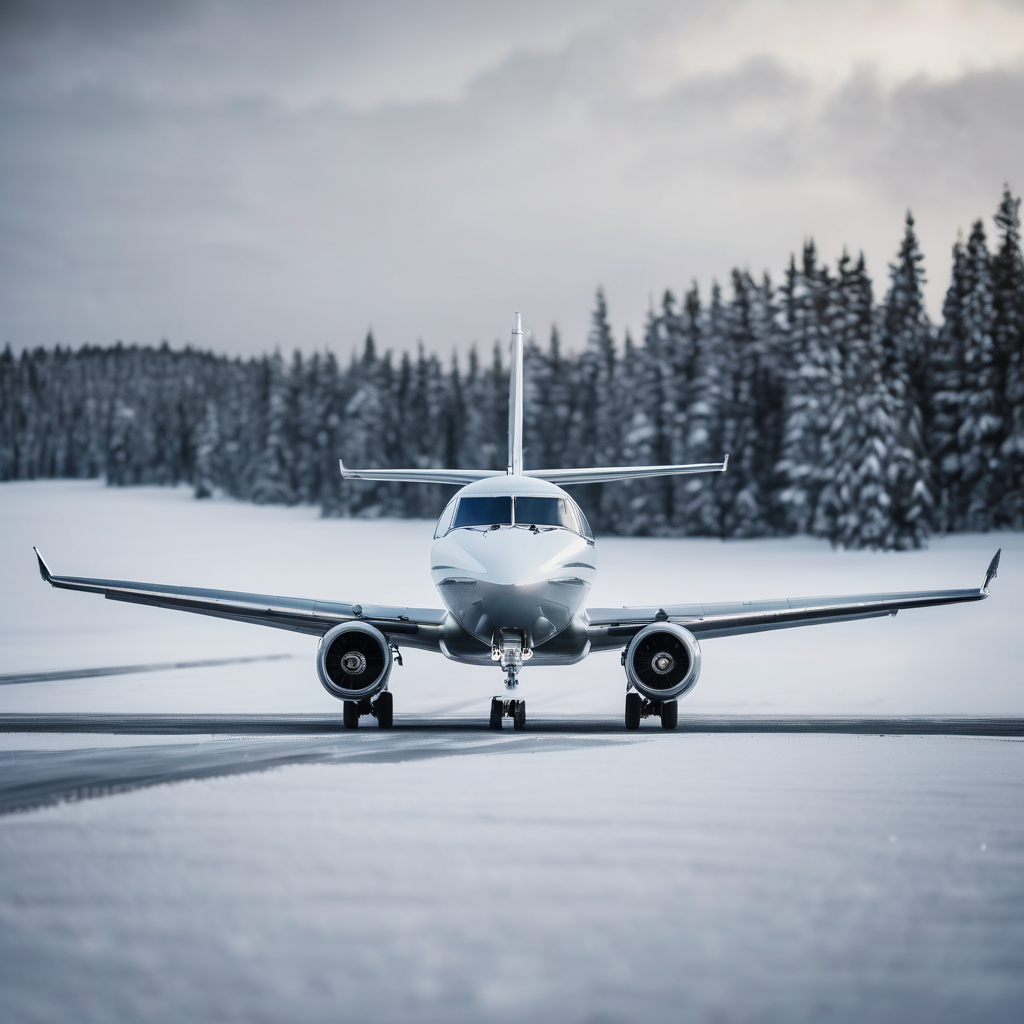
To escape Venezuela, Machado traveled by boat to the Caribbean island of Curacao before embarking on a private flight to Norway. Her secure exit was reportedly organized by her security team. An enormous portrait of her was displayed in Oslo City Hall, where attendees cheered upon hearing of her arrival.
Frydnes compared Machado’s struggle to that of previous laureates like Nelson Mandela and Lech Walesa, highlighting the unfair expectations placed on those advocating for democracy. He asserted that freedom is a daily commitment, emphasizing the global relevance of Machado’s cause.
In reflecting on Venezuela’s political history, Machado remarked that many citizens did not comprehend the gravity of their country’s descent into authoritarianism until it was too late. She pointed out that the fragility of democratic institutions was disregarded when Hugo Chavez, who once led a military coup, became president in 1999. She lamented, “Many thought that charisma could substitute the rule of law.”
Machado’s political journey has been tumultuous, marked by a significant victory in the opposition’s primary for the presidential election, which she was subsequently barred from participating in. She has faced increasing threats from President Nicolas Maduro’s regime, which has been criticized for undermining democracy since he assumed power in 2013.
The former president, who has publicly accused former U.S. President Donald Trump of attempting to destabilize his government for access to national resources, remains a controversial figure. Machado, upon winning the Nobel Prize, dedicated part of it to Trump, aligning with those who label Maduro as a danger to U.S. security. This contentious stance has spurred discussions about international involvement in Venezuela’s political strife, raising ethical concerns regarding military operations in the region.
Through all the struggles, Machado’s fight for democratic ideals highlights resilience amidst adversity, serving as a beacon of hope for many who believe in the principles of freedom and justice around the world.