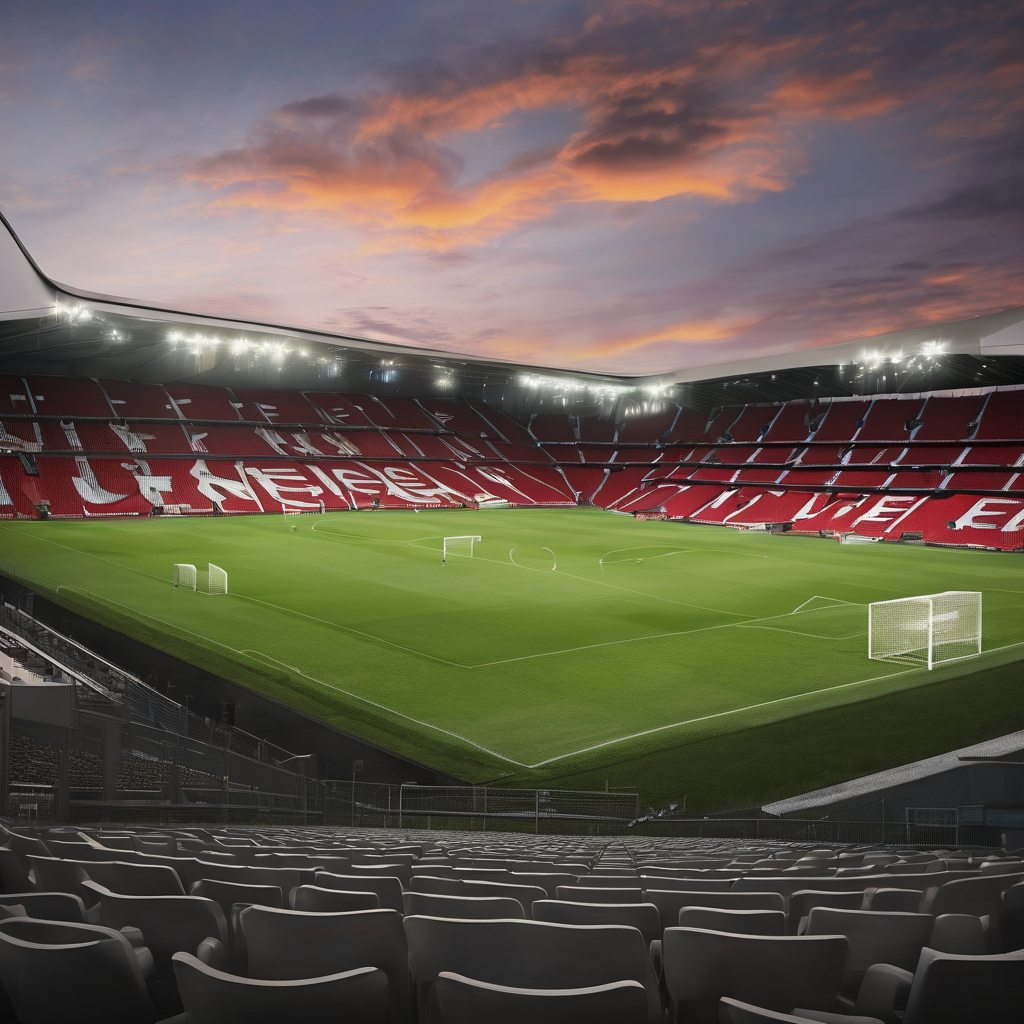
Ruben Amorim’s tumultuous tenure as manager of Manchester United came to an unexpected end on Monday, just a day after he passionately defended his position following a disappointing 1-1 draw against Leeds United. The Portuguese coach, who assumed the role in November 2024, had faced growing pressure as the club struggled, finishing his first season in 15th place—its lowest in nearly five decades—and suffering a defeat in the Europa League final to Tottenham Hotspur.
Despite a modest improvement this current season, sitting sixth in the Premier League after 20 matches, the team’s performance has left much to be desired, with only three wins in their last 11 games. This lackluster streak, compounded by the Leeds result, sparked a heated exchange during Amorim’s press conference, where he typically showcased a calm demeanor. He vehemently rejected claims regarding his job security, asserting that he arrived at Manchester United with the authority of a manager rather than merely acting as an order-taker.
Amorim’s role, shrouded in controversy, highlights the challenges faced by managers in high-stakes environments like Manchester United, where expectations soar and performances are scrutinized relentlessly. This latest development adds another chapter to the club’s ongoing search for stability and success as they look ahead to the remainder of the season.