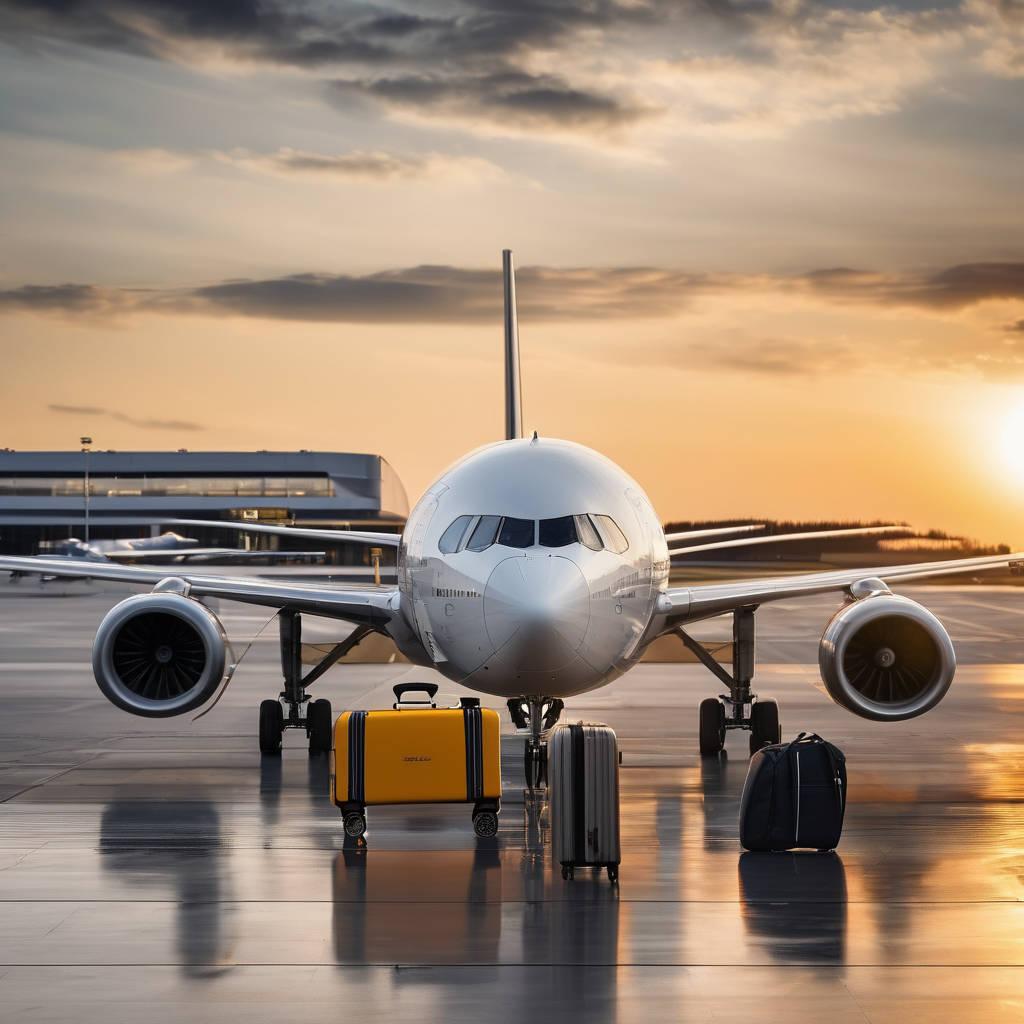
Lufthansa, Germany’s flagship airline and one of Europe’s leading airline groups, is facing significant criticism following a troubling incident at Munich Airport where 500 passengers were left stranded overnight in five aircraft. The situation arose from a confluence of adverse weather conditions, airport closures, and a severe shortage of bus drivers, impacting flights to popular destinations such as Copenhagen, Singapore, Gdansk, Graz, and Venice.
The airline acknowledged that 123 passengers on flight LH 2446, which was scheduled to travel to Copenhagen, spent the night in an Airbus A320 at a remote area of the airport from Thursday night into Friday morning. However, reports suggest that the extent of the situation was much worse than officially reported, with many more passengers trapped inside stationary planes.
Passengers recounted their distressing experience, stating they were left without any staff assistance and were stuck in cramped conditions with no alternative arrangements made for their disembarkation. With more than 500 individuals affected across five flights, it was a logistical failure on multiple levels.
The affected flights included:
– LH 768: Munich to Singapore
– LH 2446: Munich to Copenhagen
– LH 1646: Munich to Gdansk
– EN 8016: Munich to Graz (operated by Air Dolomiti)
– EN 8206: Munich to Venice (operated by Air Dolomiti)
RTL reported a series of delays and cancellations throughout the day, culminating in a situation where hundreds of passengers remained aboard various aircraft despite extended takeoff permissions running until 1 AM. The airport operations came to a halt, leaving many passengers without access to food or drink.
A Lufthansa representative explained that according to airport regulations, the planes needed to return to off-airport parking positions, and parking at the terminal was not an option. The spokesperson further noted, “Due to an insufficient number of apron buses provided by FMG [Munich Airport GmbH], the passengers were initially unable to disembark.” After several hours, buses were finally able to transport passengers back to the terminal.
Compounding the issue, it was revealed that only one bus driver was on duty during the chaotic evening, leading to significant delays in getting passengers off the planes. An airport spokesperson, Robert Wilhelm, also mentioned that the bus capacity on the aprons was severely limited.
In light of this unsettling experience, affected passengers are now pursuing compensation and a formal acknowledgment of the ordeal they endured. This incident not only highlights the critical need for improved contingency planning among airlines and airports during adverse weather but also raises wider concerns about passenger care and communication in crisis situations.