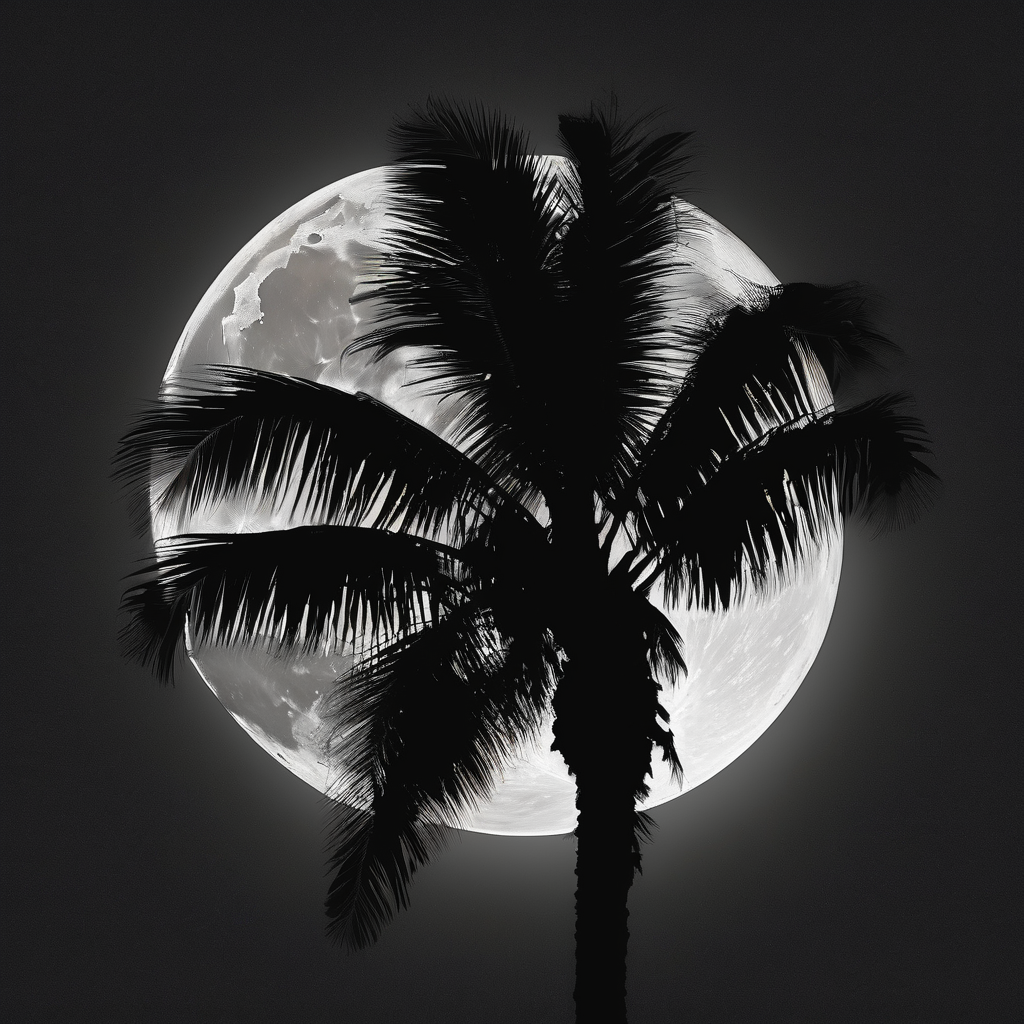
The final supermoon of the year is set to illuminate the night sky this week, reaching its peak brightness on December 4 at 6:15 p.m. EST, as reported by the Old Farmer’s Almanac. This celestial event, known as the ‘cold moon,’ will be the third and last supermoon of 2025 and will be positioned approximately 221,965 miles from Earth. It is expected to appear full not only on the day of its peak but also on the evenings of both Wednesday and Friday, providing a splendid opportunity for stargazers to capture stunning photographs or simply enjoy the beauty of the autumn sky, weather permitting.
The phenomenon of a supermoon occurs when the moon’s orbit brings it closer to Earth than usual, making it appear larger and brighter. Depending on the specifics of its approach, a supermoon can appear up to 14% bigger and 30% brighter than its faintest counterpart during the year. NASA notes that different sources may define a supermoon using varying criteria, as the moon’s orbit is elliptical and not a perfect circle.
December’s full moon is referred to as the cold moon, a name derived from the Mohawk tribe, reflecting the chilly conditions typically experienced during this time. The Mohicans referred to it as the “long night moon,” as it coincides with the season of longer nights.
While full moons occur approximately every 29 days, variations in the calendar can occasionally lead to two full moons within a single month. For those who may miss this year’s final supermoon, three additional opportunities to witness supermoons will arise next year, promising more celestial beauty in the near future.
The upcoming supermoon serves as a reminder of the wonders of our universe, inviting both amateur astronomers and casual observers to step outside and connect with the night sky.