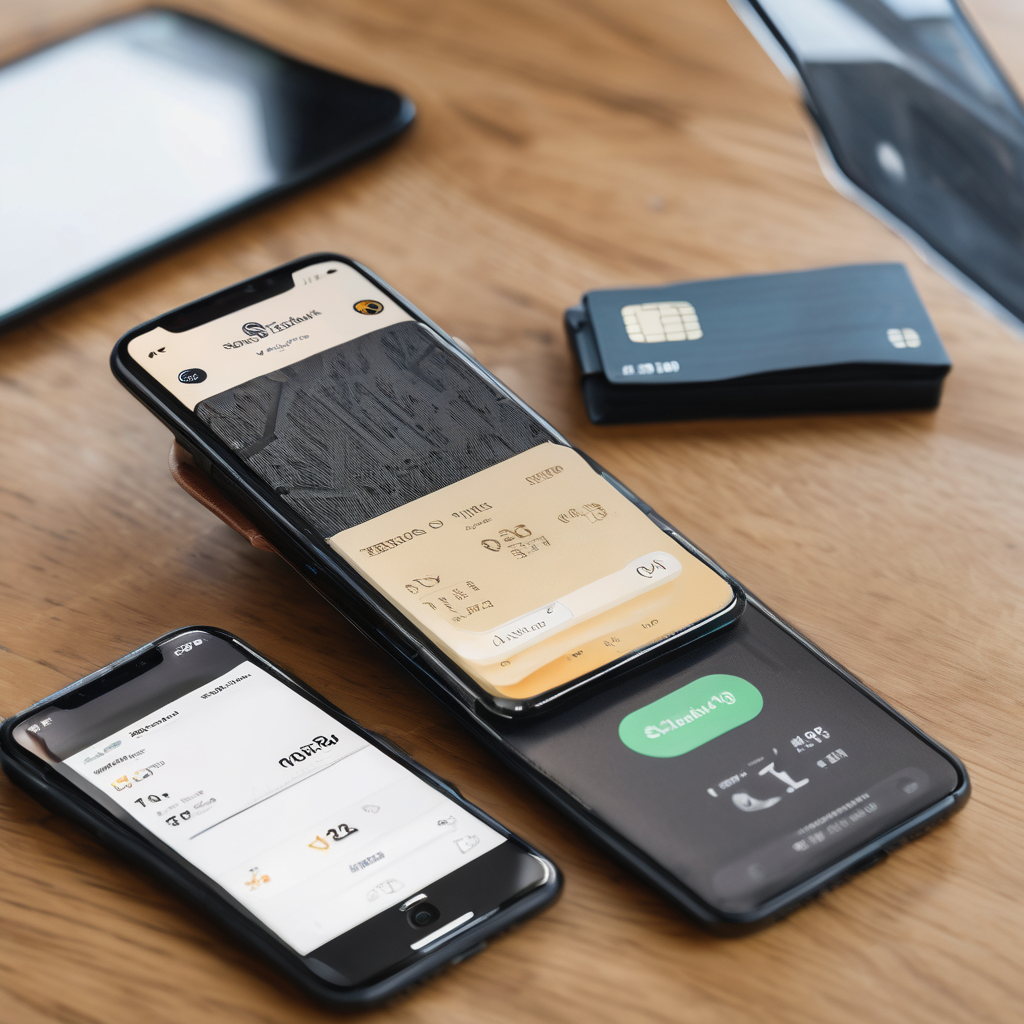
Koreans are increasingly turning to stablecoins for their everyday transactions, marking a significant shift towards digital payment methods in a traditionally conservative market. From purchasing coffee at Starbucks to buying lipstick at Olive Young, stablecoins are gaining traction through various overseas third-party payment platforms. A crypto blogger known as Rusiper shared his experiences, stating, “I’ve made payments using stablecoins for everything from coffee to health supplements and fried chicken.” He predominantly uses USDT, a dollar-pegged stablecoin, citing its accessibility and low transfer fees as key advantages.
Despite the growing acceptance of stablecoins in South Korea, their commercial use remains relatively limited, primarily due to a lack of a regulatory framework governing these digital assets. This is in stark contrast to their more widespread usage in markets like the United States and Europe. However, the South Korean government is at a pivotal point as it plans to introduce a stablecoin law in the first quarter of the upcoming year, which could pave the way for more defined regulations.
Significant data reveals a surge in transactions involving dollar-pegged stablecoins, with figures increasing from 7.1 trillion won (approximately $4.86 billion) in June of the previous year to 23.4 trillion won in October across South Korea’s five major crypto exchanges, according to the Bank of Korea. A Morgan Stanley report indicates that global stablecoin usage could exceed $2 trillion by 2028, driven by trends in crypto trading, remittances, and e-commerce.
Korean merchants are beginning to accept stablecoin payments at physical locations, facilitated by platforms such as RedotPay and Stella Pay. Payments are currently processed through established card networks like Mastercard and Visa, which convert stablecoins into fiat currency before finalizing transactions. Experts believe this could change, as the future may see direct payments completed entirely with stablecoins, minimizing reliance on intermediaries.
To leverage the potential of stablecoins fully, new facilitating businesses are anticipated to emerge, enabling a smoother transition for merchants adopting stablecoin payment systems. This evolution may benefit larger corporations first, offering them reduced transaction fees on international payments. However, average consumers might take longer to see tangible advantages, given that many benefits of stablecoin transactions, such as low-cost and round-the-clock service, are already present in South Korea’s financial system.
Regulatory uncertainty continues to be a significant challenge, particularly regarding the issuance of won-backed stablecoins. As financial authorities grapple with differing views on regulations, progress has been slow. The Bank of Korea advocates for a bank-led consortium model for issuing stablecoins, while the Financial Services Commission suggests a more inclusive approach that accommodates tech companies to foster innovation.
Despite the sluggish regulatory atmosphere, notable developments in the market are occurring. In November, Naver announced its intention to acquire Dunamu, the operator of Upbit, Korea’s largest crypto exchange. Another significant player, Mirae Asset Group, has initiated discussions to acquire the crypto exchange Korbit.
While the U.S. has made strides in establishing a regulatory framework for stablecoins, South Korea still faces uncertainty. The U.S. recently passed the Genius Act to support the growth of legitimate dollar-backed stablecoins, while Japan has successfully implemented a comprehensive framework and launched its first yen-pegged stablecoin.
Despite the challenges, the emergence of the first won-pegged stablecoin, KRWQ, signals a hopeful direction. Launched in October, this stablecoin generated impressive trading volume soon after its introduction, indicating a keen interest among Korean traders. As regulatory frameworks start to take shape, South Korea’s stablecoin landscape is poised for growth, potentially expanding opportunities for local companies to participate in the digital economy.