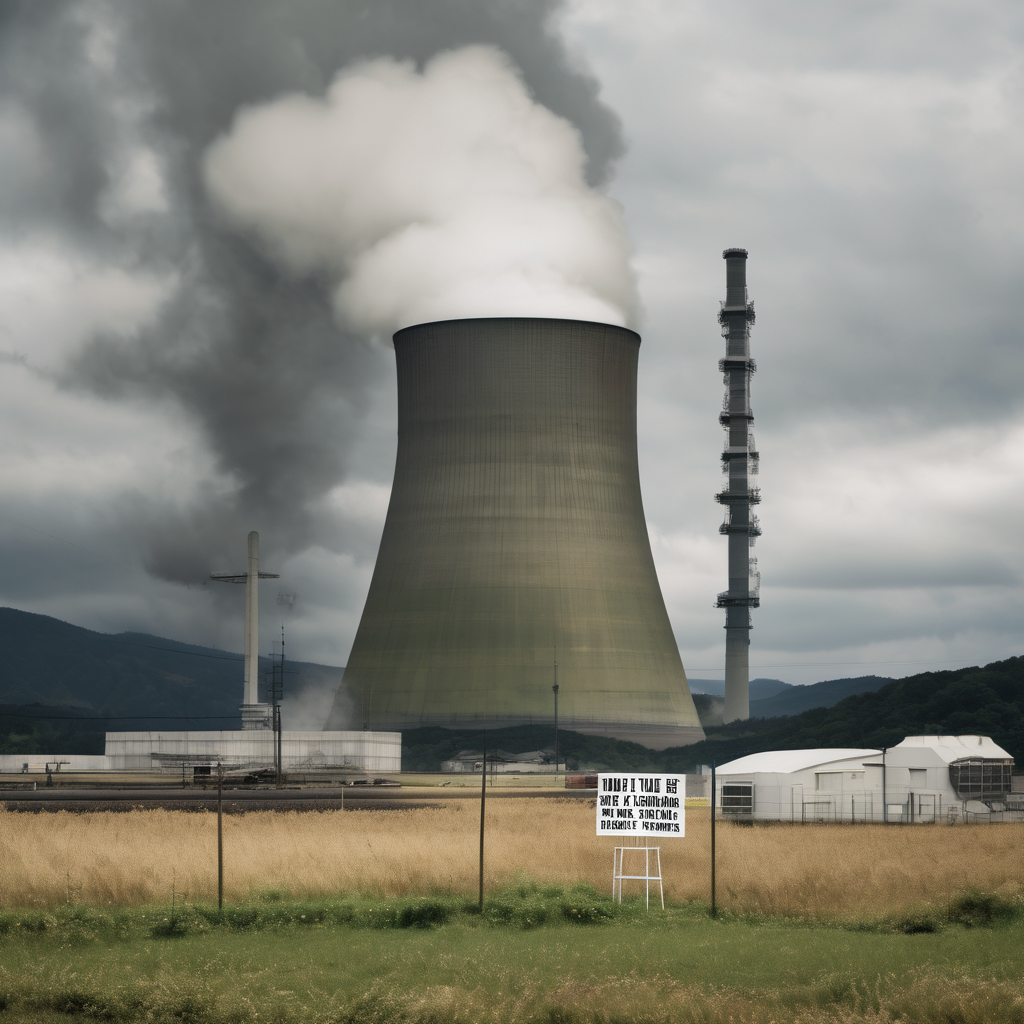
The Kashiwazaki-Kariwa nuclear power plant, recognized as the largest of its type in the world, has resumed operations for the first time since the devastating Fukushima disaster in 2011. The Tokyo Electric Power Company (TEPCO) officially announced the restart, which occurred at 19:02 local time. This decision comes after the regional governor sanctioned the resumption last month, yet it has sparked considerable controversy, with around 60% of local residents expressing opposition to the restart.
Protests were evident as demonstrators gathered near the entrance of the facility, articulating their fears about nuclear energy. Yumiko Abe, a 73-year-old protester, remarked on the disparity between the electricity generated for urban areas like Tokyo and the hazards faced by those living close to the plant. A survey from September indicated that only 37% of residents were in favor of restarting the plant, highlighting the ongoing anxiety surrounding nuclear energy following past catastrophes.
TEPCO reassured the public of its commitment to thoroughly assess the safety and integrity of the plant before full operations, ensuring that any concerns are addressed transparently. Out of the seven reactors at the facility, only one has been restarted, while the plant itself has remained inactive since Japan ceased its reliance on nuclear power in the aftermath of the 2011 earthquake and tsunami, which led to meltdowns at Fukushima.
Japan’s reinvigorated interest in nuclear energy is part of a broader strategy to lessen dependence on fossil fuels and fulfill carbon neutrality goals by 2050, especially as energy demands rise with the development of artificial intelligence technologies. Prime Minister Sanae Takaichi has emerged as a supporter of nuclear power in seeking solutions for the country’s energy needs.
Since the shutdown following the Fukushima incident, 14 reactors nationwide have resumed operations under strict safety protocols, with 13 currently active. However, the Kashiwazaki-Kariwa facility marks the first TEPCO-operated plant to reactivate since the tragedy. Nevertheless, concerns linger regarding evacuation plans and the risks associated with the site’s location on a seismic fault line.
Public opposition to the restart has been pronounced, evidenced by a significant petition that gathered nearly 40,000 signatures highlighting the plant’s susceptibility to earthquakes. Critics argue that prioritizing energy production for distant urban areas, such as Tokyo, does not justify the risks faced by local communities.
TEPCO has been under scrutiny due to various incidents, including an alarm system malfunction during recent testing, alongside prior scandals involving data manipulation regarding seismic safety. The company’s president, Tomoaki Kobayakawa, underscored the importance of maintaining caution and vigilance in the nuclear industry.
As Japan grapples with its energy landscape, approximately 70% of its electricity was sourced from fossil fuels in 2023, a statistic the government aims to reduce to between 30% and 40% over the next 15 years. Nuclear power is anticipated to play an increasingly significant role in this transition, contributing about 20% to the energy mix by 2040, up from about 8.5% in the current fiscal year. The path ahead for Japan’s energy future remains challenging, especially as the nation continues the arduous process of decommissioning the Fukushima facility.