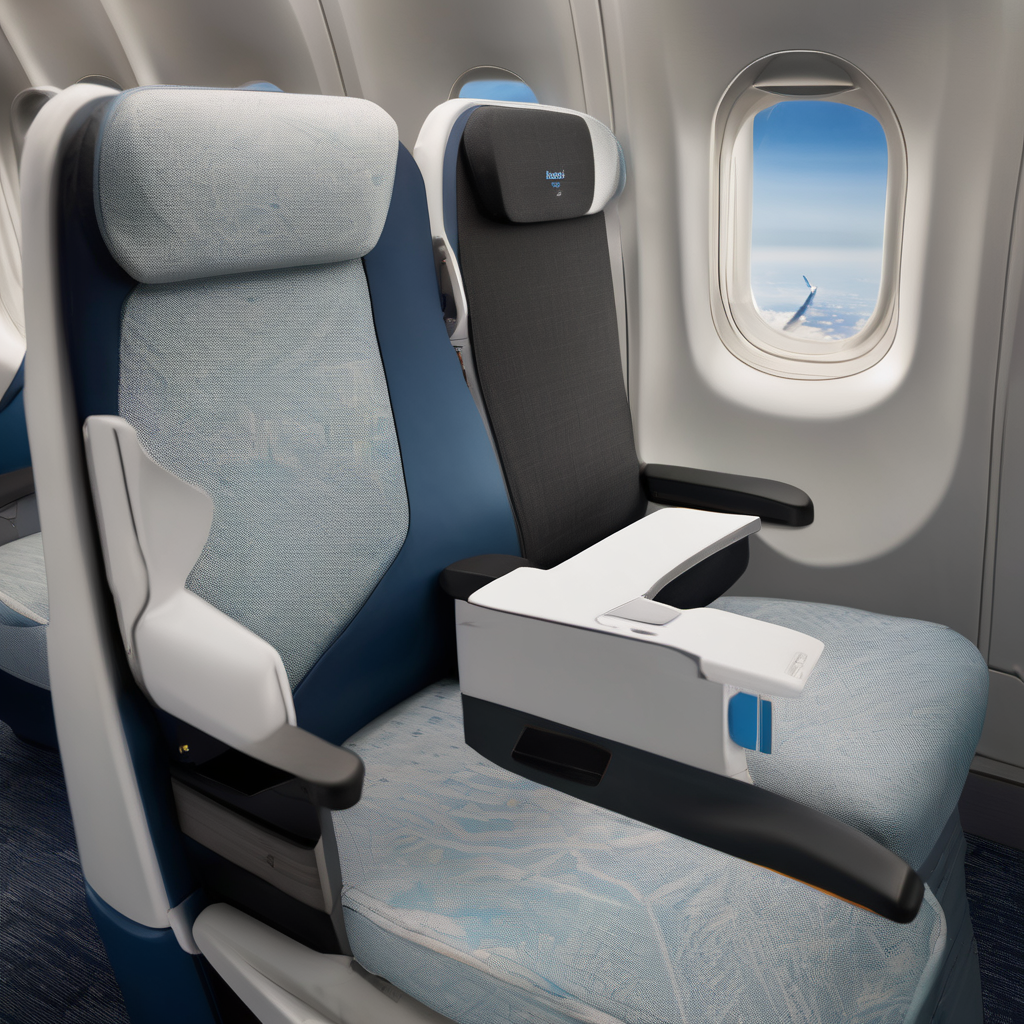
JetBlue Airways is setting the stage for a competitive advantage with the introduction of its new domestic first class offering, dubbed “Mini Mint,” which is slated to begin in mid-2026 on aircraft that currently do not feature the Mint service. This strategy aims to enhance revenue streams and ancillary sales, particularly targeting the Australian investor demographic who may find this premium approach increasingly attractive.
As of the latest figures, JetBlue’s stock (JBLU) is trading at USD 4.74, with an average of USD 4.5278 over the past 50 days and USD 4.6742 over the last 200 days. The stock’s technical indicators suggest a balanced position, with a Relative Strength Index (RSI) of 61.21 and a near-flat MACD, indicating potential for movement based on upcoming catalysts.
The expansion of JetBlue’s premium cabin offerings comes at a time when airlines globally are enhancing their first class services to meet growing consumer expectations. Notably, airlines like Qatar Airways and Singapore Airlines have already set a high bar for privacy and service in their premium cabins. JetBlue’s “Mini Mint” is designed to tap into this trend in the U.S. domestic market by introducing paid tiers in routes where Mint is not currently available, aligning with a broader initiative aimed at improving revenue quality by enticing more customers to upgrade.
Janet Blue’s approach to premium cabin monetization is expected to support higher revenue per available seat mile (RASM), particularly on transcontinental and leisure routes. Even a modest increase in demand for these premium seats could significantly elevate JetBlue’s financial performance. This is especially relevant for Australian travelers flying into the U.S., where improved domestic first class options can play a pivotal role in their decision-making process for bookings.
However, the rollout does come with challenges. Retrofitting existing aircraft to include the “Mini Mint” service will incur additional capital expenditure (capex) and result in operational downtimes that could affect revenue generation in the short term. The successful execution of this plan hinges on several factors, including timely certification, supply chain effectiveness, and installation efficiency. Any delays could postpone the anticipated benefits, while costs incurred now will put pressure on the company’s finances.
Currently, JetBlue’s market capitalization sits around USD 1.72 billion, with a price-to-sales ratio of 0.1896 and a price-to-book ratio of 0.7594; however, the company is grappling with a negative earnings per share (EPS) of -1.30, leading to a pessimistic price-to-earnings (P/E) ratio of -3.65. Analysts maintain a cautious outlook, with consensus ratings showing one buy, six holds, and three sells, while the target price reflects a modest upside.
The impending earnings report on January 27, 2026, will be crucial for the company, especially in relation to its premium cabin strategy. Investors will be closely monitoring management’s guidance on upcoming retrofit schedules and fare structures, as these elements are essential for establishing the “Mini Mint” program’s success.
In light of these developments, JetBlue’s “Mini Mint” initiative appears poised to elevate its market positioning by appealing to premium travelers and potentially boosting revenue. While there are inherent risks associated with execution and market uptake, the overall sentiment is optimistic, particularly as airlines increasingly emphasize enhancing their premium services amid rising competition.