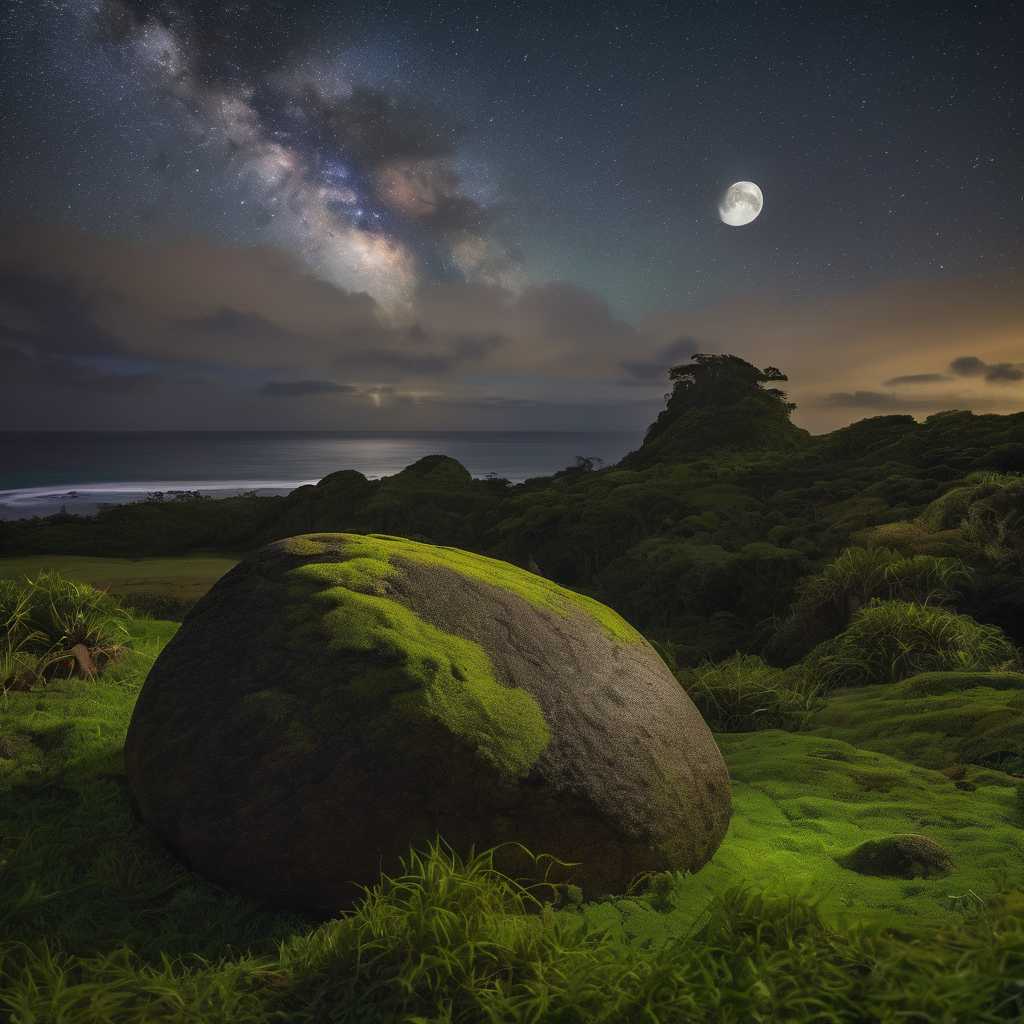
January is notably recognized for the Quadrantid meteor shower, which is often regarded as one of the peak celestial phenomena of the year. However, the shower’s brevity coincides with challenging weather conditions in the northern hemisphere, making optimal viewing difficult. While activity is limited south of the equator due to the high northern declination and short summer nights, several minor meteor showers are active throughout the month, albeit yielding less than one observable meteor per hour.
In the southern hemisphere, meteor activity will become more intriguing as the ill-defined radiants in Vela, Carina, and Crux present additional opportunities for observation. This activity continues through the first quarter of the year, progressing eastward into Centaurus in February and wrapping up in March with the appearance of radiants in Norma and Lupus. Currently, sporadic meteor rates are showing a decline for observers in northern regions while simultaneously rising for those in the southern hemisphere.
As January unfolds, the moon will reach its full phase on Saturday, January 3rd, remaining above the horizon throughout the night. Observers will have a brief chance to witness meteor activity under moonless skies between dusk and moonrise. Estimated hourly meteor rates for weekend observers from mid-northern latitudes (around 45°N) are expected to be close to 2 in the evening and 16 during the morning. This contrasts with lower estimates for tropical southern locations (approximately 25°S), with evening rates around 1 and morning rates around 7. The moonlight diminishes evening observations, and actual meteor counts will likely drop after the Quadrantid peak.
Factors such as local weather conditions, light pollution, and the observer’s own awareness and experience will influence the visibility of meteor activity. The reported rates assume ideal viewing conditions away from urban light sources, as residents in cities will only be able to spot the brighter meteors.
For those keen on tracking these celestial events, charts indicating radiant positions for evening, midnight, and morning observations are available. These charts can assist in identifying meteors and maximize viewing efficiency by allowing viewers to focus on radiants located higher in the sky. Typically, the best opportunities for viewing arise just before dawn when many radiants reach their apex.
The upcoming week promises continued meteor activity, although many of the showers offer low hourly rates, often under one. Knowledgeable observers are encouraged to engage with these lesser-known meteor showers and consider factors like duration and angle in correlating meteors to specific showers.
The meteor phenomena in January invite enthusiasts to broaden their understanding of meteor activity while enjoying the beauty of celestial events. Whether you’re an experienced observer or just starting out, each glimpse of a shooting star contributes to expanding our collective knowledge of the universe.