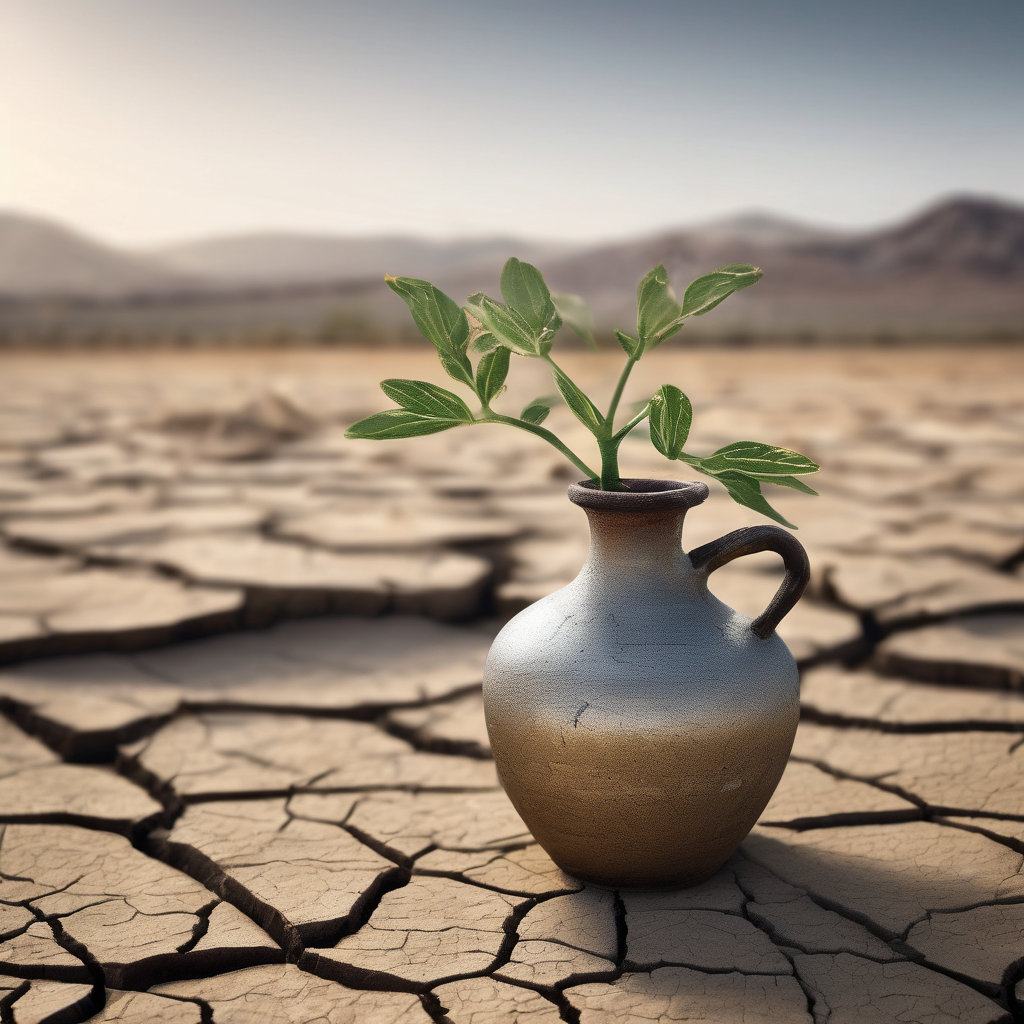
Istanbul, Türkiye, is facing a troubling water crisis as the city prepares for the dry summer months. Despite the arrival of winter rains, experts warn that the precipitation has been insufficient, leaving the region grappling with alarmingly low reservoir levels. The year 2025 recorded the lowest average rainfall in over six decades, significantly impacting water supply for the nation’s largest metropolis.
According to Prof. Dr. Lokman Hakan Tecer, dean of the Corlu Engineering Faculty at Tekirdag Namik Kemal University, reservoir statistics paint a bleak picture. Although recent rainfall gave a false impression of recovery, current data reveals that water reserves are only at approximately 44% capacity as of late February 2026. This represents a stark decline from the 74.5% occupancy recorded during the same period last year. Without substantial rainfall that exceeds seasonal averages in March and April, Istanbul will likely encounter dire water shortages throughout the summer.
The Marmara region has experienced a significant decrease in rainfall, plummeting from an average of 670 mm to just 454 mm in 2025—an alarming drop of 31.7%. Overall precipitation levels in Türkiye also fell 27.6% below long-term averages, exacerbating the water scarcity issues.
One critical factor concerning hydrologists is the pattern of rainfall. Tecer notes that the region is increasingly bombarded by intense “cloudbursts,” which deliver substantial amounts of rain in short bursts, rather than the steady, soaking rains that allow for groundwater absorption. This leads to excessive surface runoff, with precious water being wasted as it rushes into rivers and seas rather than replenishing dams or aquifers. Furthermore, minimal snowfall this winter means less slow-released moisture essential for maintaining water reserves, with evaporation losses projected to reach up to 25% during the upcoming summer heat.
In response to this pressing crisis, experts are urging a transformative approach to water management in Türkiye. Tecer advocates for the immediate implementation of “rain harvesting” systems in residential areas, particularly in large housing complexes, to effectively collect and utilize “grey water” for irrigation and sanitation purposes. The need for legislative changes has been recognized, but experts emphasize that decisive actions towards sustainable water practices must accelerate before summer arrives.
Istanbul’s current predicament underscores the importance of proactive water conservation efforts and innovative infrastructure solutions. By embracing a collective commitment to sustainable resource management, residents and authorities alike can work towards mitigating the looming water crisis and ensure a more resilient future for this vibrant city.