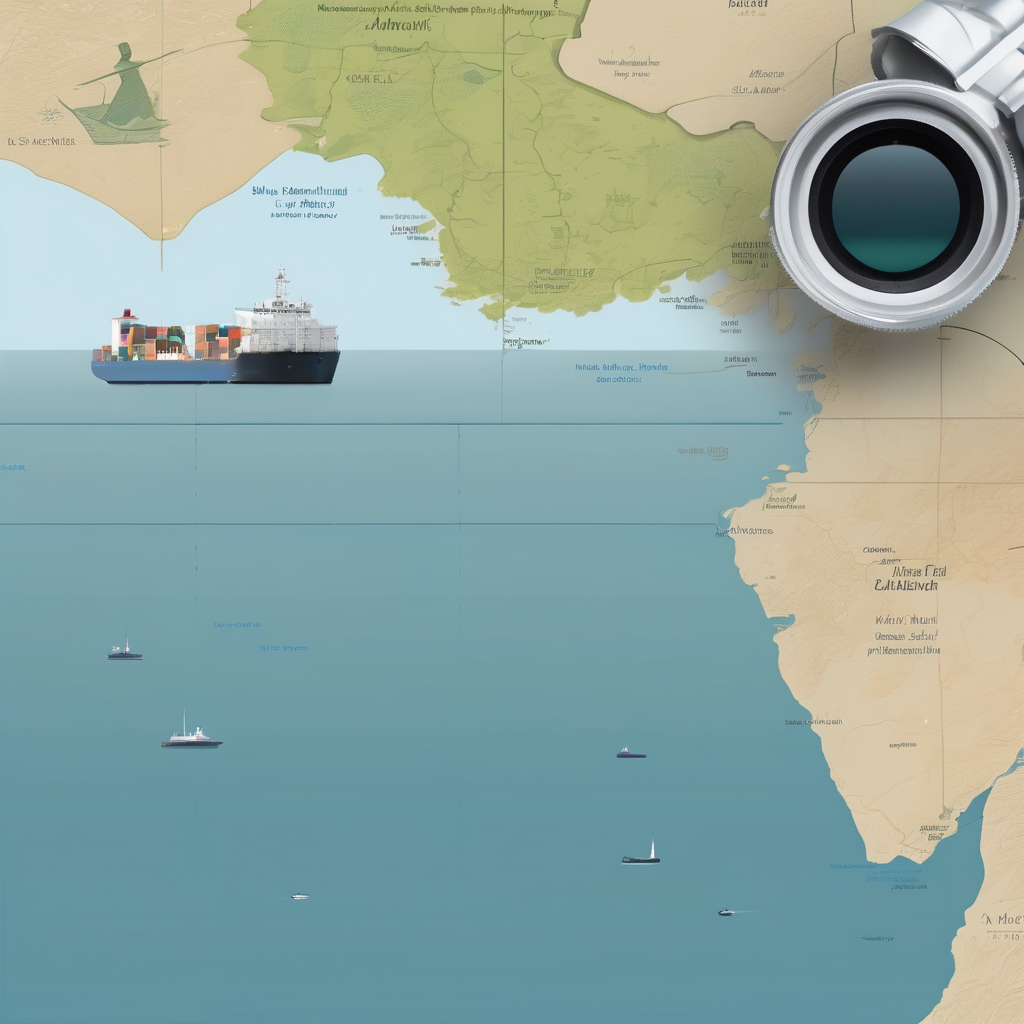
Iran’s Foreign Minister has expressed his stance regarding the potential closure of the Strait of Hormuz, a vital shipping lane through which a significant portion of the world’s oil passes. During a recent interview, he emphasized that Iran would take necessary measures to protect its interests and security in the region, asserting that any actions that threaten Iran’s territorial integrity could provoke a strong response.
The Strait of Hormuz, located between Iran and Oman, is a crucial chokepoint for global oil supply, with approximately 20% of the world’s oil passing through it. The Iranian leadership has historically warned that it might close the passage in response to military threats or sanctions imposed by Western nations.
Moreover, tensions between Iran and the United States, particularly concerning sanctions and military presence in the region, have raised concerns among global markets about the stability of oil transportation. The Iranian government maintains that any military intervention in the area would not only affect Iran but would destabilize the entire Middle East, highlighting the interconnectedness of geopolitical stability and energy security.
Despite escalating tensions, the Foreign Minister has called for diplomacy as a means to resolve conflicts, urging neighboring countries and international stakeholders to work collaboratively to ensure peace and security in the region. This approach indicates a willingness from Iran to engage in dialogue rather than escalating military confrontations, which could have widespread implications for the global economy and oil prices.
The ongoing situation emphasizes the fragile balance of power in the region and reflects the importance of diplomatic efforts to avert conflict in one of the world’s most critical maritime routes.