Even as President Donald Trump’s late‑February decision to launch a military campaign against Iran has dominated headlines, a leading North Carolina political scientist says the domestic political fallout remains uncertain — but potentially damaging for Republicans as the 2026 elections approach. In a two‑part conversation with Newsline, NC State University Professor of Political Science Steven Greene said the combination of an unresolved war, sharply higher fuel prices and recent seismic shifts in state politics has created a volatile environment for incumbents.
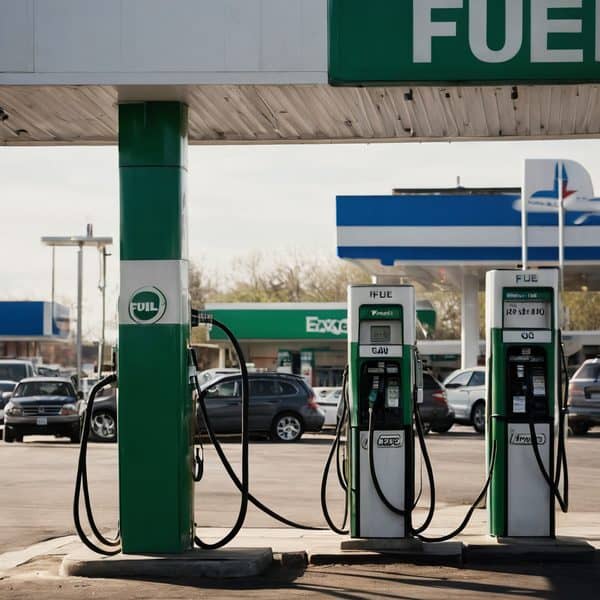
Greene described the Iran intervention as “deeply controversial” at home and cautioned that the conflict, which he said is “dragging on without much explanation or any clear plan for a conclusion,” has the potential to erode public support for a president already facing criticism over other policy moves. Rising energy costs and broader price increases, he argued, amplify that vulnerability by hitting ordinary voters directly in their pocketbooks — a classic electoral liability for the party in power.
Standard political wisdom, Greene noted, would favor significant Republican losses in the fall given those headwinds. But he urged restraint about making firm predictions so far in advance. With seven months remaining until November, he said, voters’ priorities can shift quickly, and the trajectory of both the conflict and the economy remains uncertain. “There’s a lot that can change between now and Election Day,” Greene told Newsline, underscoring that short‑term polling only captures a moment that may not hold.
Greene devoted the second half of his interview to North Carolina, where the state’s political landscape was shaken by the primary defeat of longtime Republican Senate President Pro Tem Phil Berger. The loss of one of the state’s most powerful politicians, Greene said, is a “massive earthquake” for the legislature that could upend internal power structures, committee assignments and the strategic direction of the General Assembly heading into the next legislative session.
That intrastate upheaval, Greene argued, complicates national calculations. A disordered state GOP could blunt the party’s voter mobilization efforts or shift policy priorities in ways that affect voter turnout and sentiment. Conversely, local change might energize parts of the Republican base, producing unpredictable consequences for both state and federal races. Greene emphasized that analysts should watch how the party reorganizes in Raleigh over the coming weeks as a key bellwether for North Carolina’s role in the broader 2026 battle.
Greene’s two‑part interview frames a political moment in which international conflict, economic pain and unexpected intraparty turnover intersect. While the Iran war and elevated fuel prices provide national headwinds for incumbents, the unforeseen defeat of a major state power player demonstrates how quickly the political terrain can shift — and why both parties must remain attentive to developments at every level between now and November.