Intel Corporation heads into the trading week following a robust rally in 2025, with shares last trading around $36.20 before the recent market pause. The momentum has elicited both excitement and skepticism among investors, who wonder whether Intel can effectively realize its ambitious manufacturing strategies and deliver consistent profits.
In a recent message, CEO Lip-Bu Tan articulated 2025 as a pivotal year for the company, emphasizing the need for cultural change and rebuilding trust among customers and partners. This communication is not merely a seasonal cheer; it sets the tone for the expectations surrounding management’s ability to streamline costs and enhance accountability in anticipation of the upcoming earnings reports.
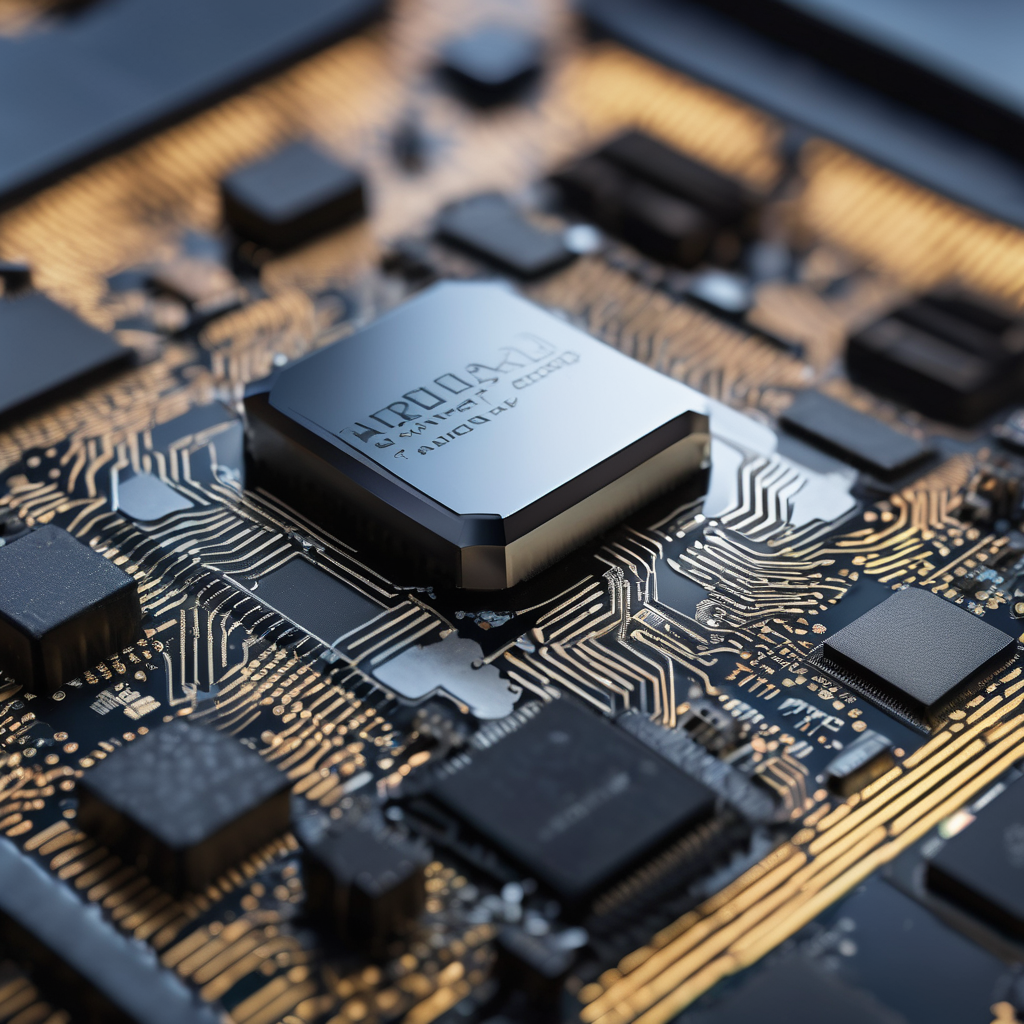
Intel’s technical ambitions are also gaining attention, particularly its Foundry division, which recently showcased an innovative extreme multi-chiplet package aimed at advancing AI processing capabilities. This demonstrates Intel’s commitment to integrating advanced process technologies with sophisticated packaging methods, which are critical in the current era where packaging plays a strategic role in computing.
However, despite the forward-looking narratives, immediate concerns persist. Notably, a recent report indicated that Nvidia evaluated Intel’s 18A manufacturing technology but chose not to pursue it further, a move that continues to weigh on market sentiment. Nevertheless, Nvidia’s broader collaboration with Intel in AI infrastructure remains a strategic partnership that bolsters Intel’s credibility, regardless of immediate foundry commitments.
Looking back at Intel’s recent financial performance, the company reported Q3 2025 revenue of $13.7 billion, with guidance for Q4 projected between $12.8 billion and $13.8 billion. Improved execution and demand for AI-driven compute solutions were highlighted as contributing factors to the robust revenue figures, yet analysts still exhibit cautious optimism. A consensus rating reflects a “Reduce” outlook, mainly due to uncertainties surrounding execution.
As the market reopens, investors will watch closely for indications of customer validation regarding Intel’s new technologies. The narrative of Intel as a turnaround story hinges on its ability to attract significant business contracts and prove its manufacturing capabilities. The thin liquidity typical of late December trading sessions could exacerbate stock movements, making the upcoming trading day’s volume and follow-through crucial in assessing market sentiment.
In this context, Intel is positioned at a crossroads, with potential for a promising comeback grounded in substantial technological advancements and collaborative ventures, yet still facing elements of doubt regarding its operational execution and market competitiveness. The upcoming trading sessions will be pivotal in determining whether the renewed vision for Intel can transition into tangible success.