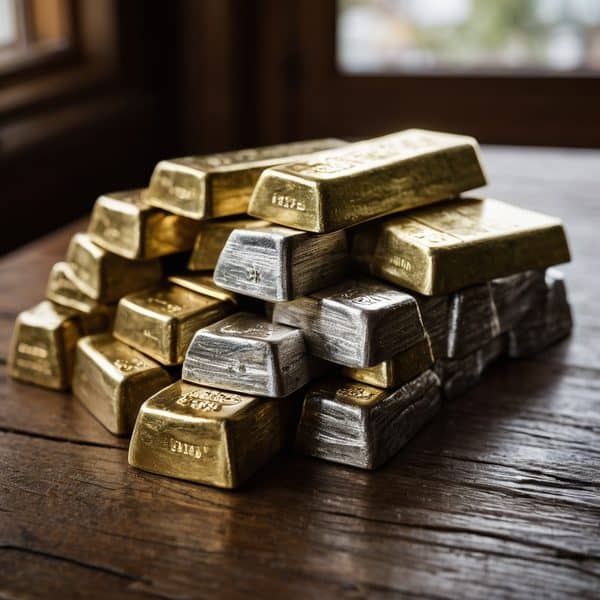
Precious metal prices in India are likely to remain "moderately strong" through fiscal 2026–27 as ongoing global uncertainty keeps demand for safe-haven assets high, analysts say. The outlook—cited by Aamir Makda, Commodity & Currency Analyst at Choice Broking in a PTI interview—follows a blistering 2025–26 performance in which silver and gold posted double‑digit gains before a sharp end‑of‑year correction.
Silver futures surged by Rs 1,41,431, or 142.2%, rising from Rs 99,461 per kg on April 1, 2025, while gold advanced by Rs 60,258, or 67%, from Rs 90,503 per 10 grams over the same period. Those rallies were fuelled by a mix of geopolitical tensions, trade policy uncertainty tied to tariff moves, heavy central bank buying, constrained supply and broad investor flight to safety, Makda said.
The market did, however, experience a notable pullback in March: gold fell about Rs 11,343 (7%) and silver dropped Rs 41,752 (15%) on the Multi Commodity Exchange (MCX). Makda attributed such corrections to normal volatility but argued that in a prolonged or escalating conflict gold’s safe‑haven appeal typically strengthens in later phases when dollar gains moderate. He also warned that persistently high interest rates in the United States and other major economies could cap further bullion upside.
Outlook for silver remains constructive but tempered by cross‑currents. Makda pointed to a five‑year supply shortfall, rising industrial demand from solar panel manufacturing and electric vehicles, plus growing investment flows into silver ETFs as factors that amplified silver’s price moves in the smaller silver market. He expects domestic silver to trade between Rs 2.75 lakh and Rs 3.5 lakh per kg in FY27, and for global prices to range roughly between $85 and $100 an ounce, depending on currency movements.
For gold, central bank demand will be a key pillar of support. Makda forecast central bank purchases averaging 750–850 tonnes in 2026 and remaining stable into 2027, noting that countries such as India, Poland and Turkey are replacing portions of their US dollar reserves with gold to boost monetary sovereignty and hedge against geopolitical sanctions. Such official buying has been a major structural driver of the market over recent years.
Macro factors could nevertheless push prices either way. Higher non‑OPEC oil output and slowing global demand are expected to ease inflationary pressures next fiscal year; lower oil prices would strengthen the rupee and make imports of bullion cheaper for Indian consumers. Conversely, an uptick in the US dollar driven by uncertain Federal Reserve policy would likely restrain gains, particularly for silver, which is more sensitive to dollar moves.
Overall, analysts see FY27 as a period of continued support for precious metals from geopolitical risks, central bank accumulation and industrial demand, but they caution that volatility will remain high and that prolonged elevated interest rates or a stronger dollar could limit new highs.